B&M Land Management, LLCStraight Line Services, Ruleville MS
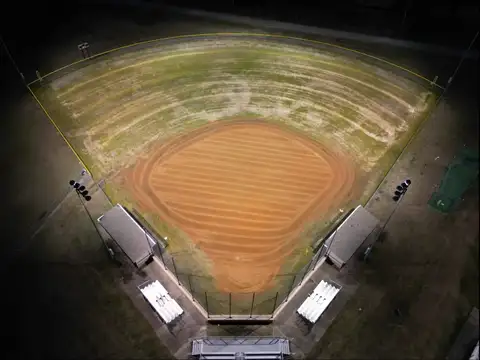
Drone view at night of a freshly dragged ballfield infield under the lights

Ballfield Dirt Work

Ballfield Infield Dirt Work in the Mississippi Delta

Infield dirt worked and dragged, ready for the next game. Baseball and softball fields for schools, towns, churches and leagues across the Delta.

Free estimates

Get a free estimate

Only your name and phone are needed. We call you back.

B&M Land Management

Ballfield dirt work is getting the infield skin right so it plays fair and drains. We work infield dirt and drag it smooth, so players get a true hop and the field is ready for the next game. Our job photos show one under the lights: a freshly dragged infield, clean edges and no ruts.

Infields take a beating over a season. Low spots form around the bases and the plate, dirt builds up into a lip at the grass edge, and rain leaves puddles that wipe out games. In the Delta, where the ground is flat and heavy clay is slow to drain, a skin that is worked and shaped right makes a difference.

What the job covers

  • Infield dirt worked and loosened
  • Infields dragged smooth for play
  • Low spots around bases and home plate filled
  • Lips at the grass edge knocked down
  • Infield mix hauled in when needed
  • Grade checked with a laser level when needed
  • Free estimate for schools, towns and leagues

B&M Land Management · Ruleville, MS

Our photos
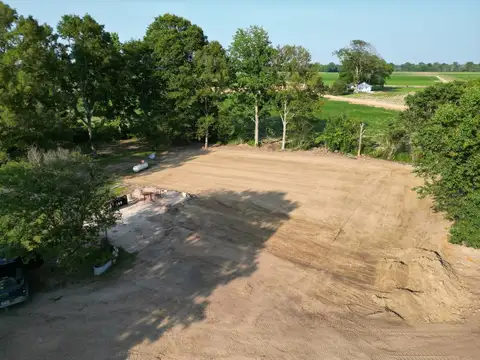
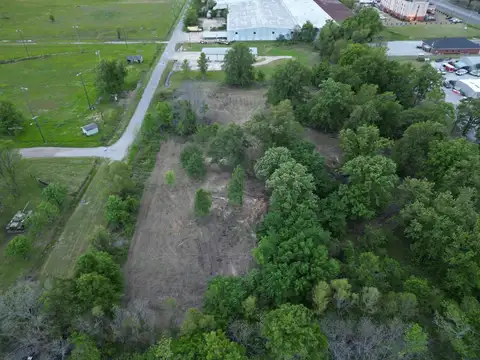
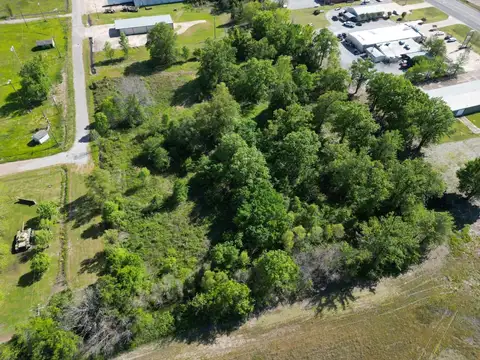
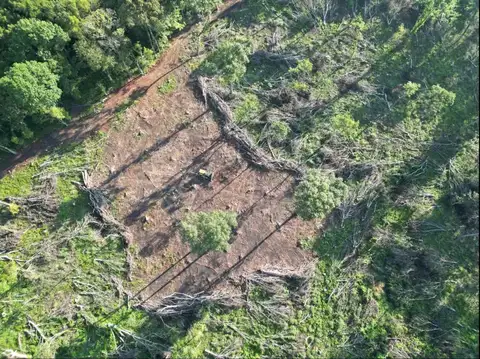
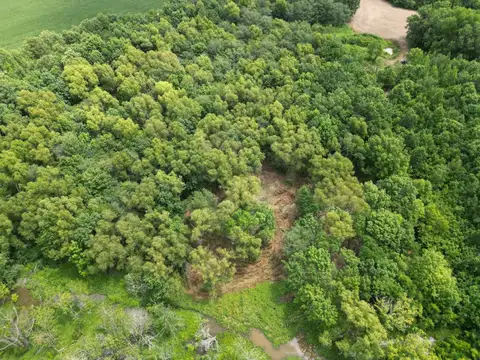
Drone view of an overgrown lot partway through clearing
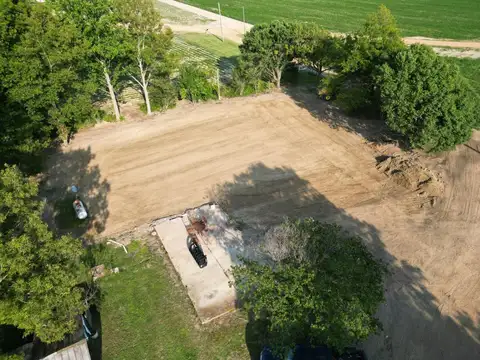
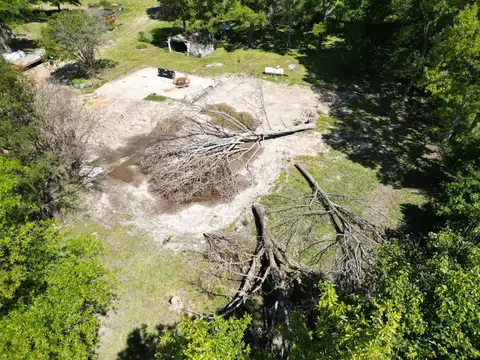
Drone view of fallen trees and a torn-up yard beside a slab, ready to be cleared

On the job

Real machines. Real work.

Every photo here is from a B&M Land Management job. No stock pictures.

See all recent work
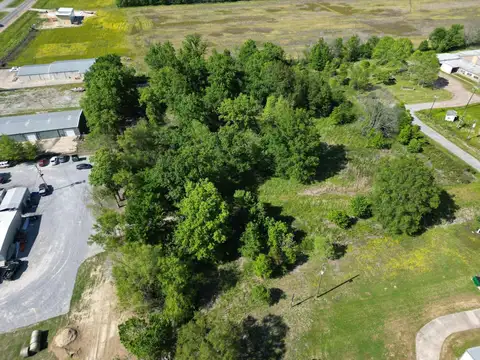
Overgrown corner lot from above before clearing
Drone view of a lot grown over with trees and brush before any work
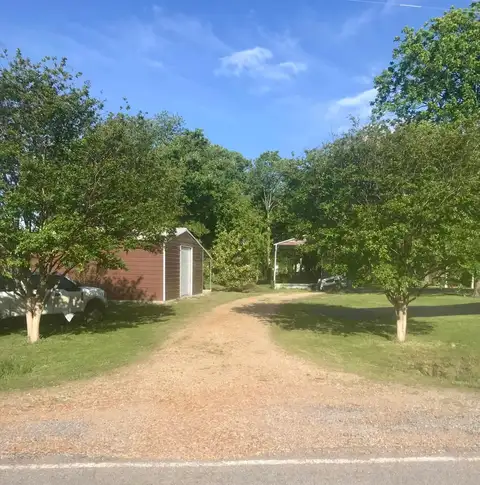
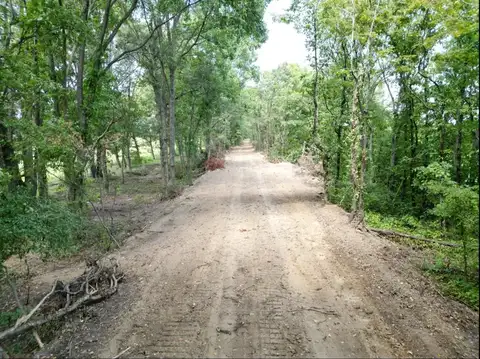
New dirt drive cut between two rows of trees to a shop
Finished lane under a hardwood canopy, brush cleared to the tree line
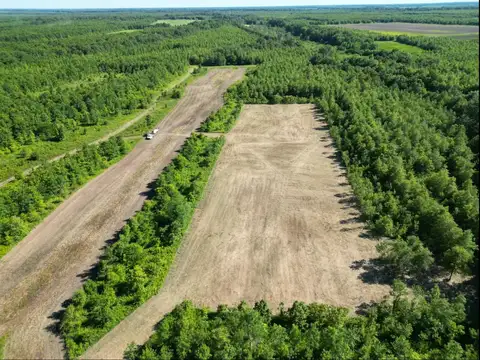
Drone view of cleared strips and an open field cut into dense green woods
Top-down drone view of a freshly cleared lot in the woods, timber windrowed along the edges
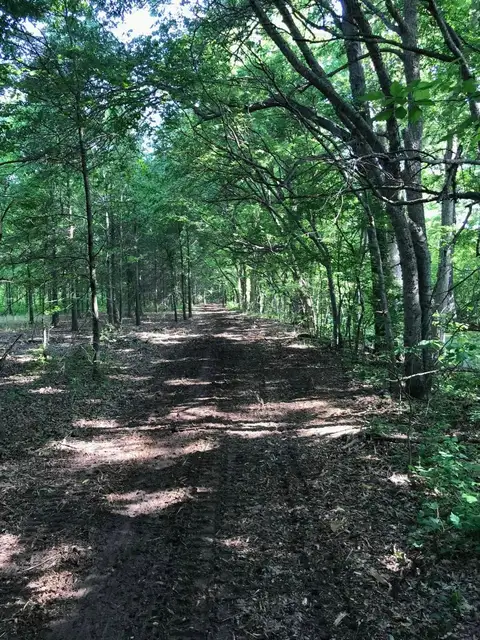
Wide dirt lane freshly cut through hardwood timber, brush piled at the edges
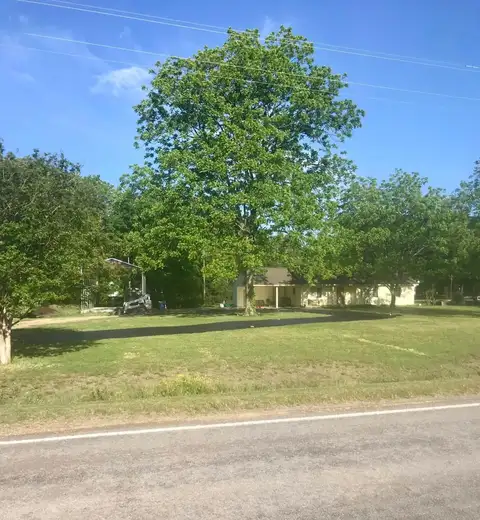
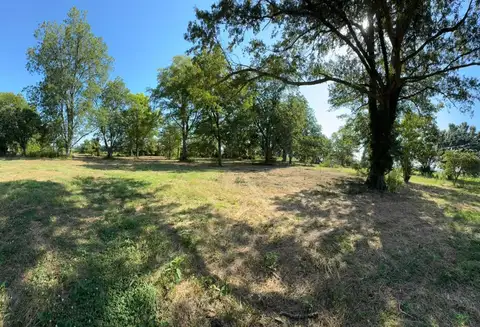
Yard cleaned up around the shade trees that stayed
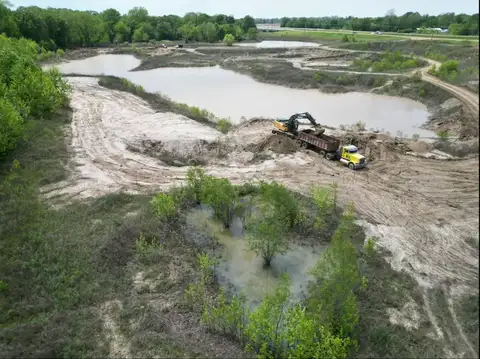
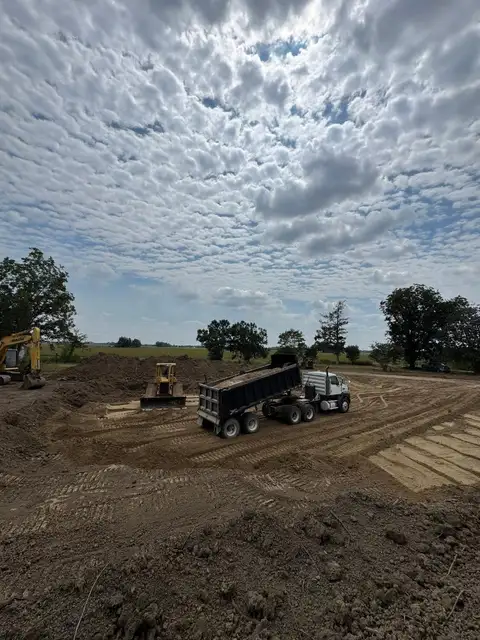
Dump truck and excavator on a graded dirt pad
Drone view of clearing started inside thick timber
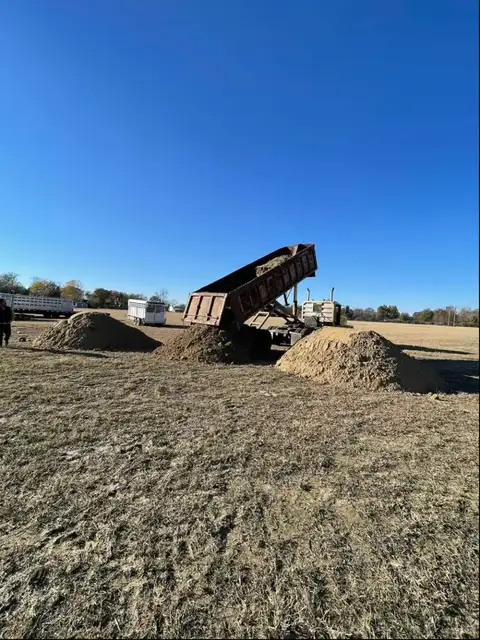
Dump truck dumping piles of fill dirt on a field for a pad
Shade tree left standing in a yard cleared of brush

How we work an infield

We start by looking at the skin: where it is low, where it is hard and where water stands. Then the infield dirt gets worked and loosened, low spots get filled and the surface gets shaped. A drag goes over it to smooth and level the top, the way you see on a fresh field before the first pitch.

If the infield has lost material over the years, more mix can be hauled in and worked into what is there. On flat ground, small changes in grade decide where water runs, so the grade has to be checked carefully. Tell us whether you want it ready for one big game or for a whole season.
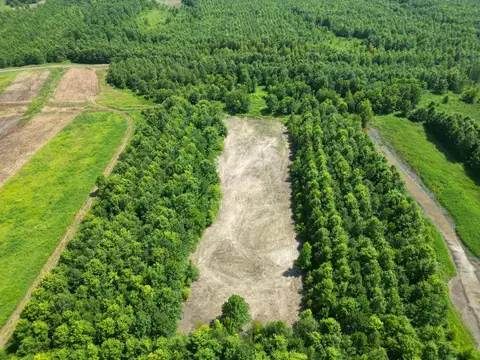
Long cleared plot inside a pine stand from above
Long cleared plot inside a pine stand from above.

Infield mix and why it matters

Infield skin is not just dirt. It is a blend of sand, silt and clay. Industry guidance puts a good mix at roughly 58 to 75 percent sand, with the silt-to-clay ratio no higher than 1 to 1. Rutgers research found mixes with more sand drain better in rainy weather, while mixes with more silt and clay hold more water.

Too much clay and the field turns slick and holds water. Too much sand and it gets loose and dusty. The only way to know what you have is a soil test. If you are adding material, it pays to know the mix first. Most fields in the Delta also have to deal with flat ground, so shaping the skin to shed water counts.

Lips, dragging and upkeep

Lips are the ridge that builds up where infield dirt meets grass. Dirt gets dragged and blown into the turf edge and it rises a little more every week. Lips cause bad hops and hold water on the infield. Sports field guidance says sweeping the edges keeps material from building up there.

Regular dragging with a nail drag, mesh mat or similar tool loosens and levels the skin between games. Keep the drag a little off the grass edge so you do not push dirt into it. Once lips and low spots build up past what a drag fixes, it is time for dirt work. That is the part we handle.
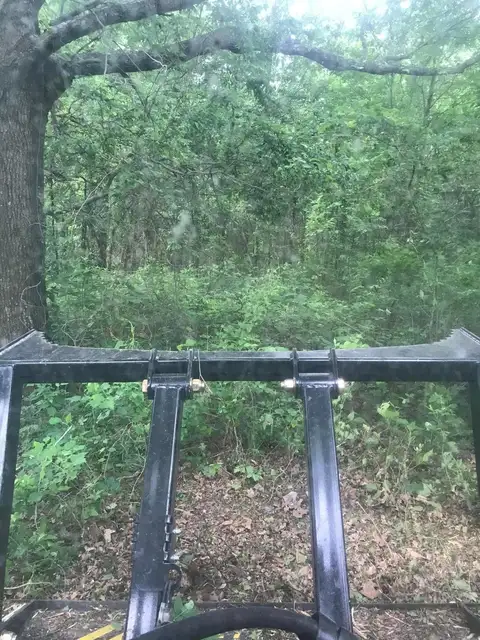
View from the cab: the mulching head headed into a wall of brush
View from the cab: the mulching head headed into a wall of brush.
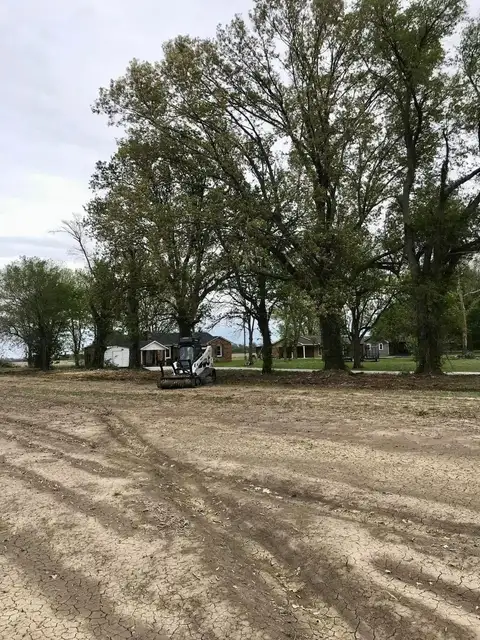
Track loader working along a cleared field edge
Track loader working along a cleared field edge.

Who it is for

Schools with baseball and softball fields. Towns and county parks with rec fields. Churches with fields for youth leagues. Travel ball organizations and league boards getting fields ready before a season or a tournament. Anyone responsible for a field that has gotten rough, low or muddy and needs more than a weekly drag can fix.

If the whole complex has a drainage problem, like water standing in the outfield or along a fence line, see grading and drainage. If the parking lot needs work too, Straight Line Services, at the same phone number, stripes lots, ADA spaces and fire lanes. One phone number reaches both companies, so one call can cover the field and the lot.
Where we do it

Ruleville and the Delta

From the Memphis area down to Vicksburg and Jackson, between the river and the I-55 corridor.

Questions

Common questions

What is a good infield dirt mix?

Most guidance calls for a sand-based mix with silt and clay. One industry guide puts the sand at about 58 to 75 percent, with silt no higher than clay. A soil test is the only way to know what your field has before you add material.

What causes a lip at the edge of the grass?

Infield dirt gets dragged, thrown and blown into the turf edge over time and builds up into a ridge. Lips cause bad hops and trap water on the infield. Sweeping the edges helps prevent them, and dirt work fixes them once they build up.

Why does my infield hold water?

Usually it is a mix of low spots, lips at the grass edge and a skin with too much clay or silt. On flat Delta ground it is worse because water has less slope to run off. Shaping the skin and fixing the edges helps.

Can you get a field ready before a tournament?

Call us as early as you can and tell us the date. We will talk through what the field needs and whether the weather and the schedule allow it. Wet clay does not work well, so a rainy week can change the plan.

Free estimates

Tell us about the job

Land or lot, one number reaches both companies. Call, text or send a few details. Only your name and phone are needed.

  • Only your name and phone are required
  • Land clearing, dirt work and demo across the Delta
  • Parking lot striping in MS, LA, TN, AL and AR
  • Rather talk now? Call or text 662-719-7737

Free estimates

Tell us about the job

Only your name and phone are needed. We call you back.

CallFree estimate