How we clear a tract
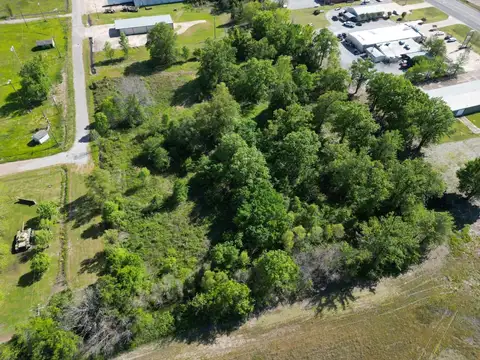
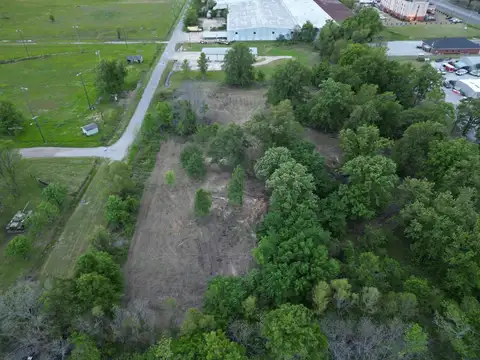
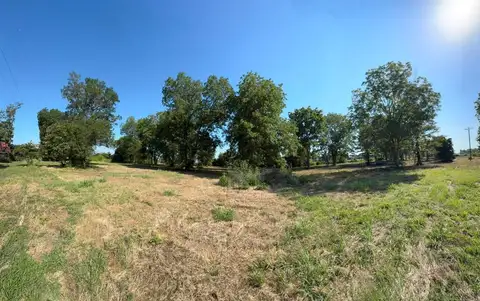
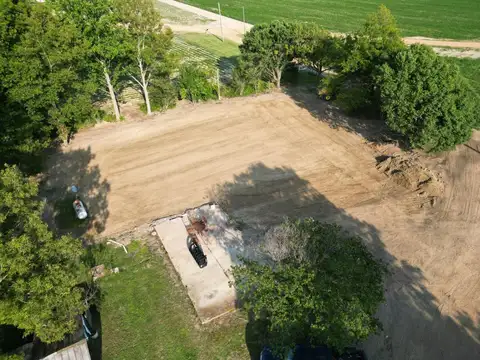
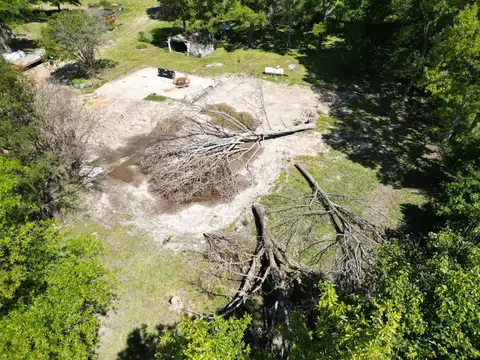
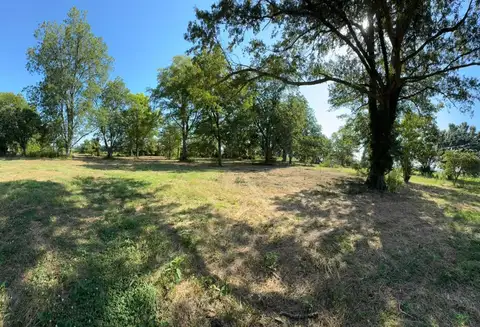
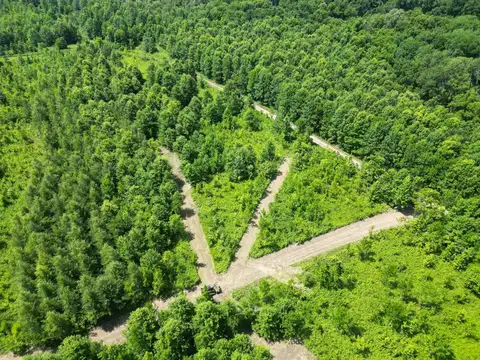
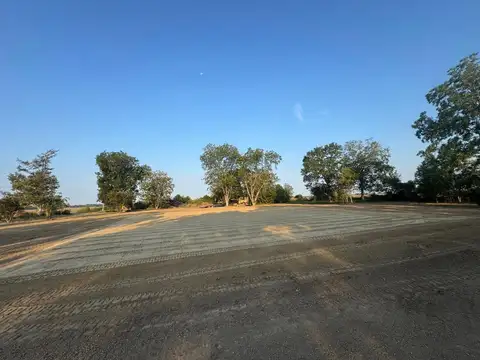
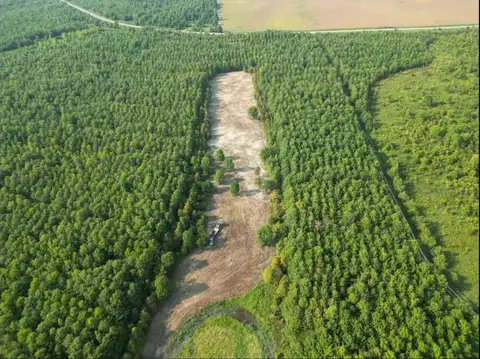
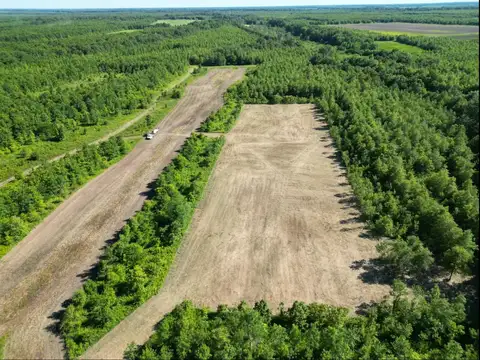
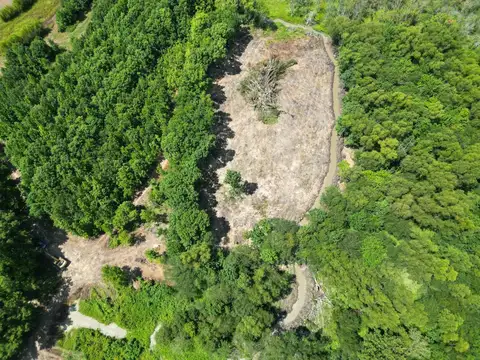
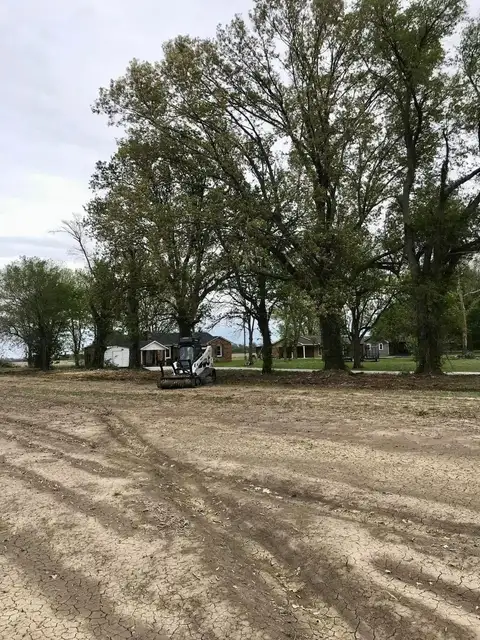
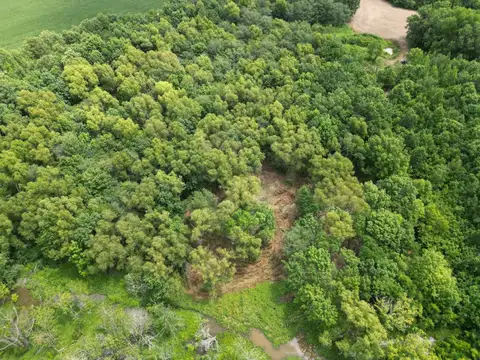
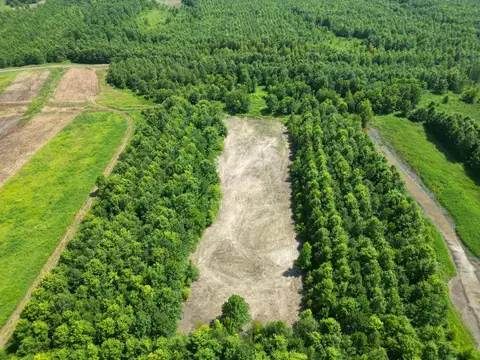
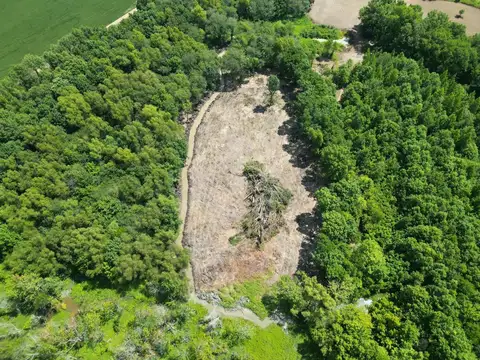
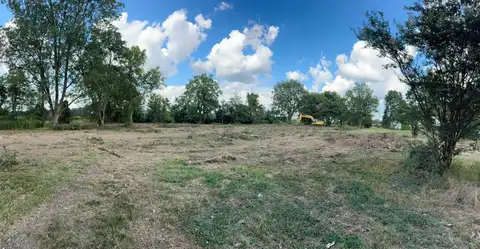
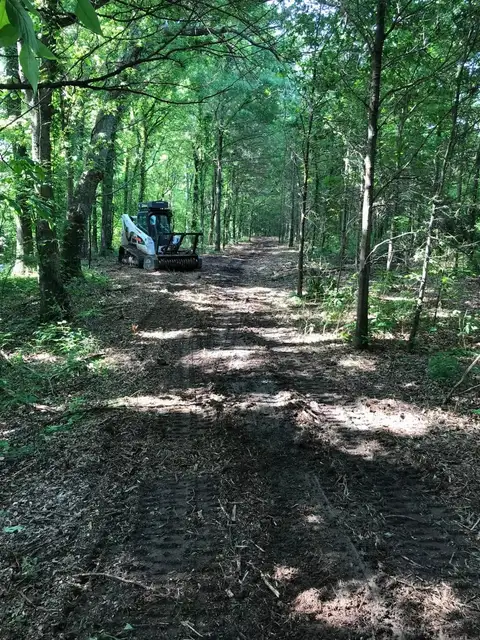
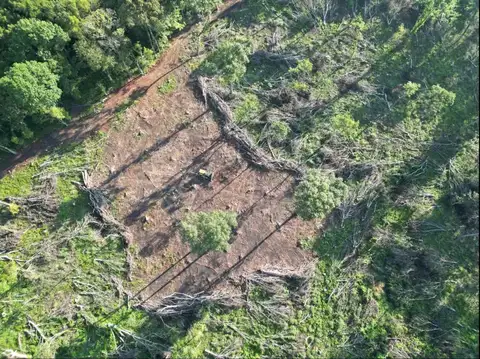
On thick timber, the track loader does the heavy pushing. Trees and brush get pushed over and stacked in windrows, long rows along the edge of the cleared ground or wherever you want them. Windrows keep the debris in one place and out of the way of whatever comes next.
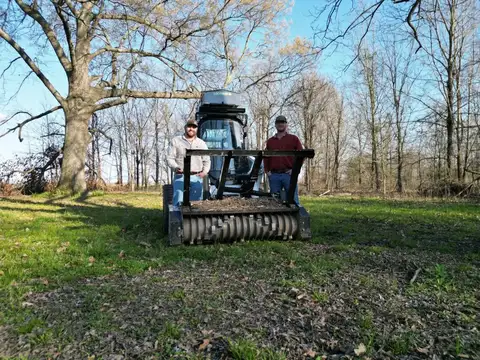
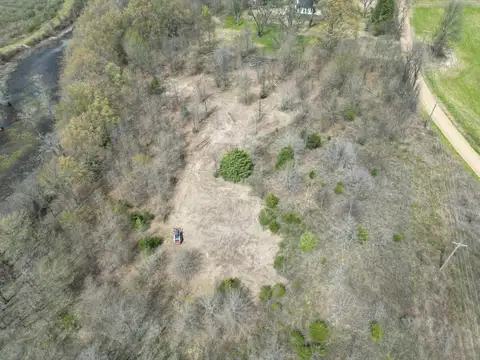
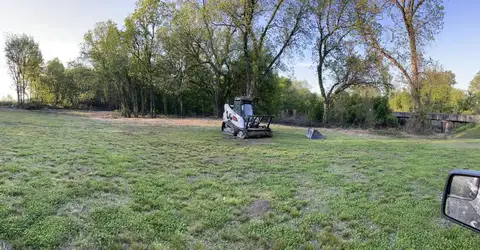
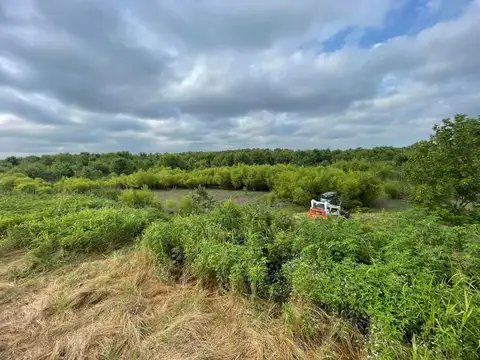
Where the brush and timber are smaller, the tracked skid steer with the forestry mulching head can grind it down and leave the mulch on the ground. That leaves no piles to deal with. Many jobs use both: mulch the edges and the lighter stuff, and push the heavy timber. We will tell you which way makes sense for your ground.
What affects a clearing job
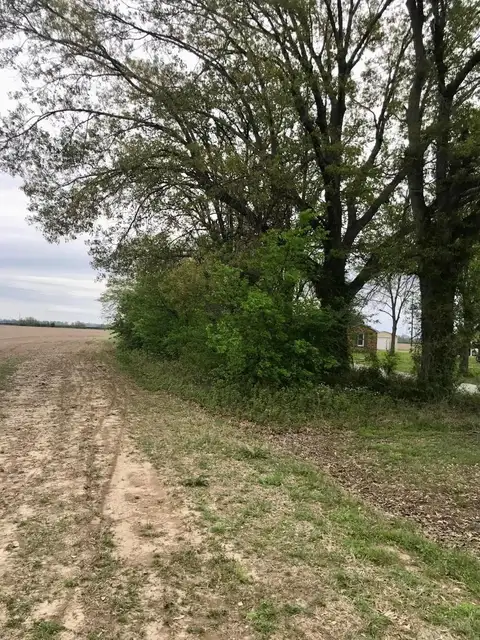
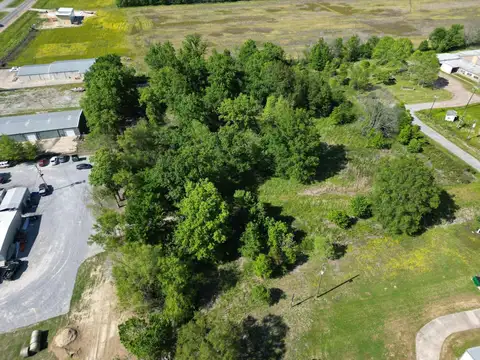
Size of the timber is the big one. Pine thickets, hardwoods and old fencerows all clear differently. Acreage matters, but so does how dense it is. Ground conditions matter too. Delta clay soils like Sharkey stay saturated through much of winter and spring, and wet clay ruts and slows everything down.
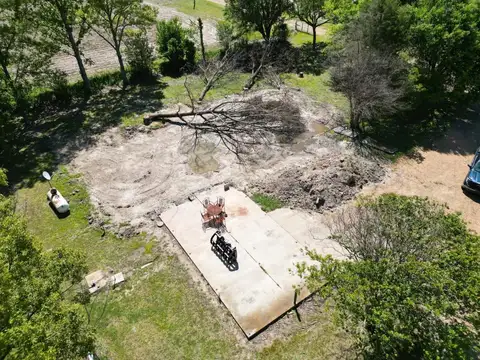
Access counts. Can we get the machines to the edge of the work, or do we need to cut in first? So does what happens to the timber after. Windrows left in place, debris pushed to one spot or ground mulched clean each take different work. Tell us what the cleared ground is for, and we can clear it with that in mind.
Burning, permits and wet ground
If you plan to burn windrows, know the rules first. MDEQ open burning rules say land-clearing debris may not be burned within 500 yards of an occupied home unless a forced-draft air system is used, and never within 50 yards. No burning during a High Fire Danger Alert or where a local ordinance forbids it. County burn bans apply too.
The Mississippi Forestry Commission issues burn permits for forestry and agricultural burns. Clearing debris falls under MDEQ rules and local ordinances. If your tract may be wetland, check with the U.S. Army Corps of Engineers before clearing for fill or building. Clearing an acre or more for construction can also fall under an MDEQ stormwater permit.
Who calls us for land clearing
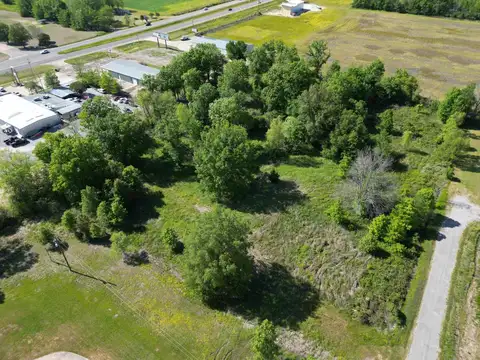
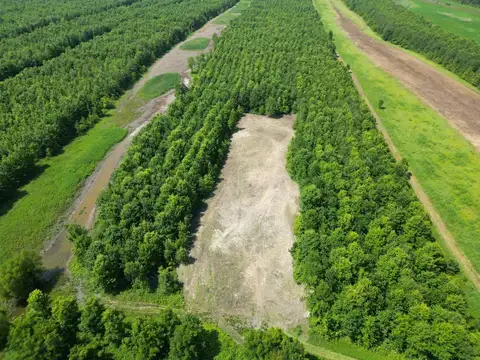
Landowners building a house on a wooded lot. Farmers taking back a field edge or a tree line that crept in. Hunters opening up a field or a food plot spot on their tract. People who bought ground and want to see what they actually have. Churches and businesses getting a building site ready.
If you only want the brush and the trees you do not want taken out, look at our select clearing page. If you need a way in through the woods, see lanes and trails. A lot of clearing jobs lead into pad and fill work, so it helps to tell us the whole plan up front.