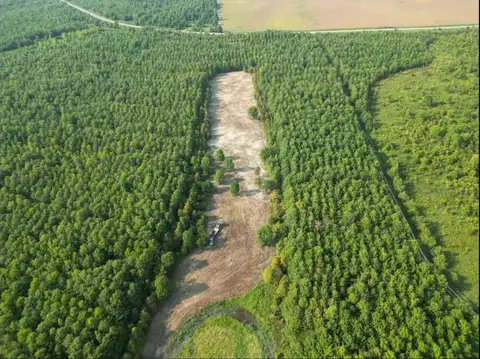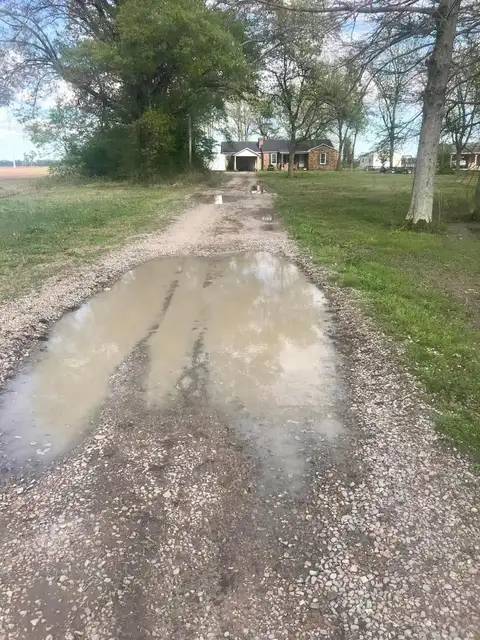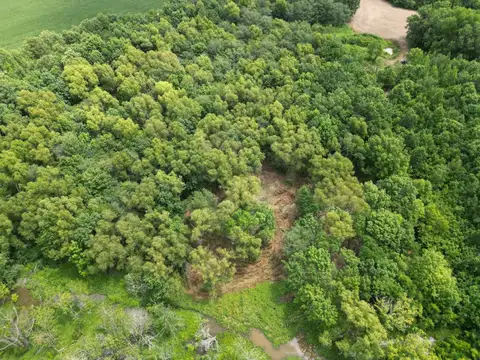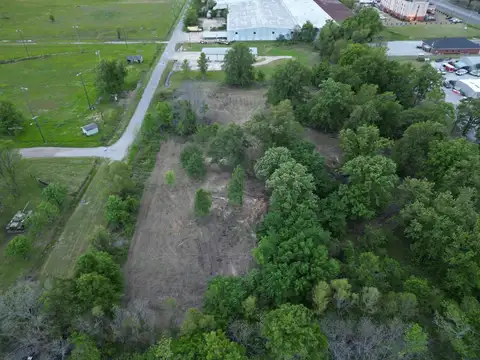
Flat Delta ground and heavy clay make pond building here different from the hill country. There is rarely a valley to dam, so most ponds are dug out or built with levees. The clay usually holds water well, but not every spot does. And the water often has to come from somewhere besides runoff. This guide covers soils, water supply, depth, levees and the state permit thresholds, using MSU Extension, NRCS and MDEQ guidance.
Dug ponds and levee ponds fit flat ground
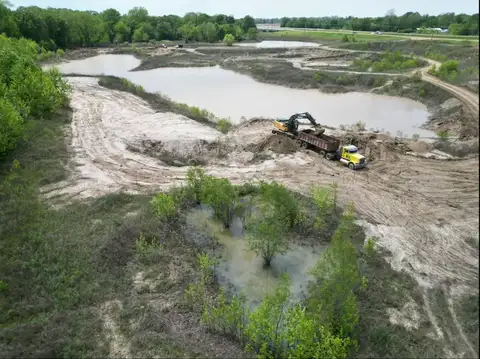
The NRCS pond handbook (Agriculture Handbook 590) describes two basic types. An embankment pond is a dam across a watercourse where the valley is low enough to store 5 feet or more of water. An excavated pond is a pit dug in a nearly level area, with its capacity coming almost entirely from digging. On most Delta land, there is no valley to work with, so digging is the natural fit.
Mississippi State Extension describes levee ponds, built on flat land using soil from the pond bottom to form the levees, as the preferred type for large-scale catfish farming. A farm or recreation pond in the Delta often borrows from both ideas: dig the basin and use the spoil to build up the banks.
Will the soil hold water?
MSU Extension says at least 20 percent clay is needed to hold water, along with a clay or silty clay layer that water will not seep through. The NRCS handbook calls clays and silty clays excellent for this and says coarse sand and gravel mixes are usually unsuitable. Its rule of thumb for a good liner is an undisturbed layer at least 3 feet thick for water under 10 feet deep.
Delta clay is a big advantage here. MSU Extension notes the high clay content of Delta soils reduces water infiltration, which is part of why catfish and rice do well. But Delta soils are not uniform. MAFES notes old natural levees and abandoned stream meanders are common, and soils change across them. Take soil borings before you dig. NRCS suggests three or four per acre if the soil is uniform, and more if it varies.
Where the water comes from
MSU Extension says a Mississippi pond that fills from runoff should have 5 to 10 acres of drainage area for each acre of water. The NRCS handbook adds that the drainage area must keep water in the pond during droughts but should not be so large that costly overflow structures are needed.
On flat ground, a dug pond may have very little watershed feeding it. That is why Delta catfish ponds rely on wells. The Southern Regional Aquaculture Center's levee pond guide says wells are preferred where groundwater is abundant, at roughly 25 gallons per minute per acre of water for commercial ponds. MSU warns that well water can be low in oxygen and high in iron, and that filling from creeks or sloughs can bring in unwanted fish. Ask MDEQ whether your water source needs a permit.
Depth and shape
MSU Extension warns against large areas of water less than 3 feet deep, which get too shallow in dry spells and grow weeds. It also notes a pond that is too deep can hurt fish production. The NRCS handbook recommends going deeper if a year-round supply is essential or if seepage runs more than 3 inches a month.
For commercial catfish ponds, the SRAC guide recommends an average water depth of 5.5 to 6 feet, at least 3.5 feet in the shallow end and about 8 feet at the drain, with a gentle bottom slope toward the drain. A farm or fishing pond does not need to match those numbers, but the logic is the same: enough depth to stay healthy through a dry summer, and a bottom that drains to one point.
Banks and levees
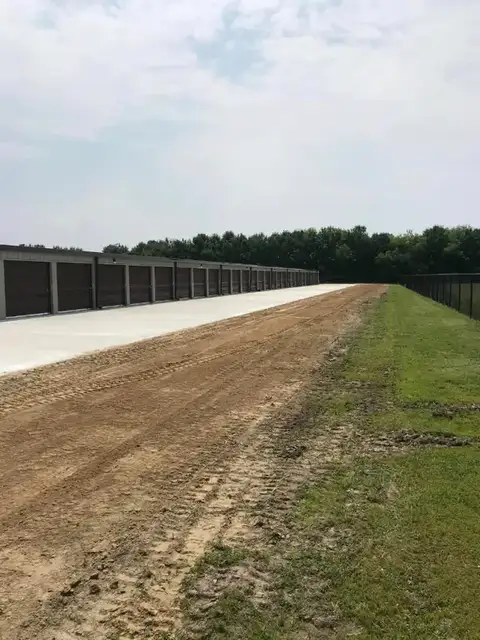
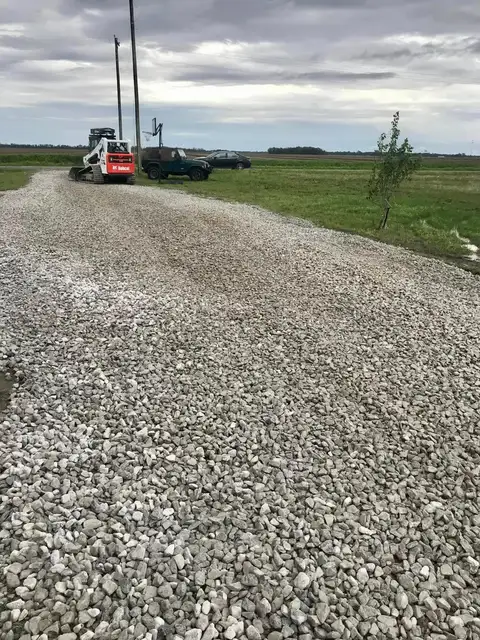
The SRAC guide recommends levee side slopes of 3:1 on the outside and 3:1 to 4:1 on the inside, and says slopes steeper than that should be avoided. For catfish farms, it calls for interior levee tops of at least 16 feet, with 20 preferred, so trucks can travel them in wet weather.
Compaction is what keeps a levee from leaking or slumping. SRAC recommends compacting at a soil moisture of about 12 to 15 percent and adding 10 percent to the planned fill volume for shrinkage and settling. It also notes levees on heavy clay (over 30 percent) built to these guidelines should last 10 years or more. Delta gumbo is sticky when wet, so timing the dirt work for the right moisture matters.
Drains and overflow
A drain lets you lower or empty the pond for repairs, fish management or weed control. The SRAC guide says a single 10-inch pipe of heavy-gauge coated metal or PVC is generally enough for a commercial pond, extended at least 5 feet past the outside toe of the levee, with a screened inlet. Even a well-fed pond gets heavy rain. Plan where overflow will go so it does not cut the bank or flood a neighbor. SRAC also recommends a perimeter drainage system so water does not stand outside the levees.
MDEQ dam safety and other permits
MDEQ dam safety rules require written authorization before building, enlarging or altering a dam. Exempt from that written authorization are peripheral dams or levees 8 feet or less in height, dams that store 25 acre-feet or less at maximum storage, and dams that do not impound a watercourse with continuous flow. Exempt projects still need a pre-construction notification to MDEQ. Call the Dam Safety Division at 601-961-5061 to confirm where your pond falls.
Other permits can apply. MDEQ's rules say storing water behind a dam may require a surface water use permit. MSU Extension notes that disturbing 1 to 5 acres, counting the dam and borrow area, triggers small construction stormwater conditions, and over 5 acres needs a large construction permit. MSU also advises checking with the Corps of Engineers on whether a Section 404 permit is needed.
Before the water goes in
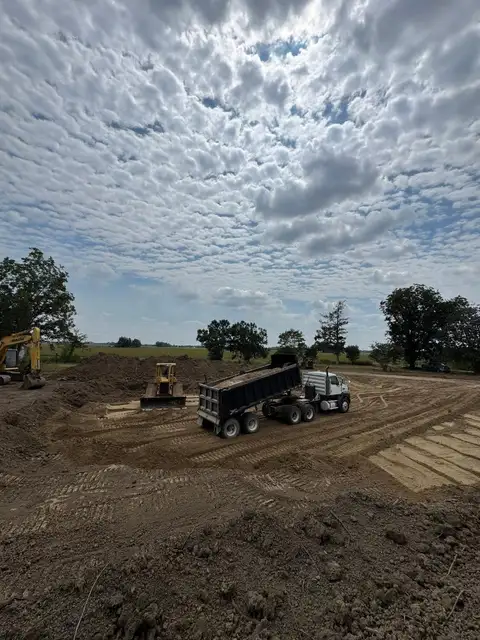
MSU Extension recommends having soil borings analyzed, checking lime needs, and liming the pond bottom right after construction, before it fills. The SRAC guide suggests having USDA-NRCS evaluate the site for clay and sand content, and your local NRCS office is a good first call. B&M digs ponds and dirt pits with an excavator and dump truck on site, so spoil can be moved where it is needed. Call or text 662-719-7737 to talk through your pond and get a free estimate.
Need this done? B&M Land Management gives free estimates from Ruleville. Call or text 662-719-7737.
Free estimate