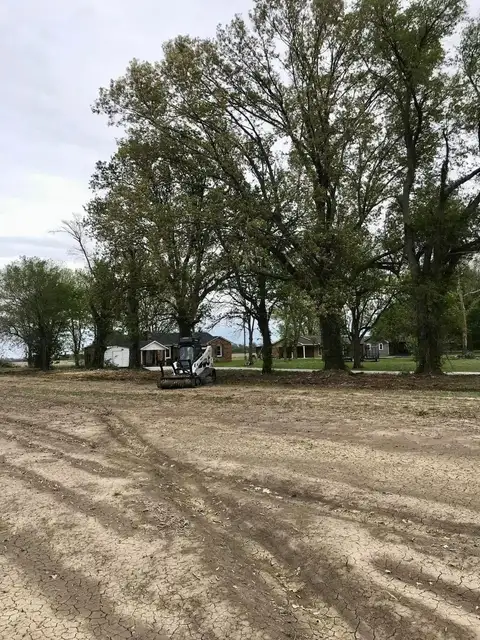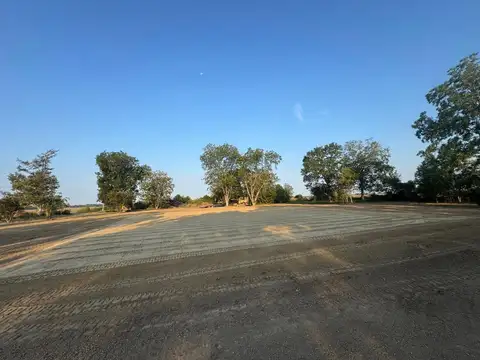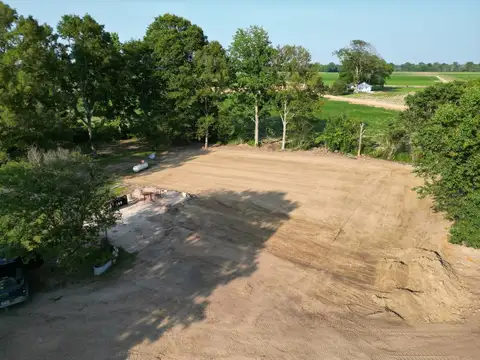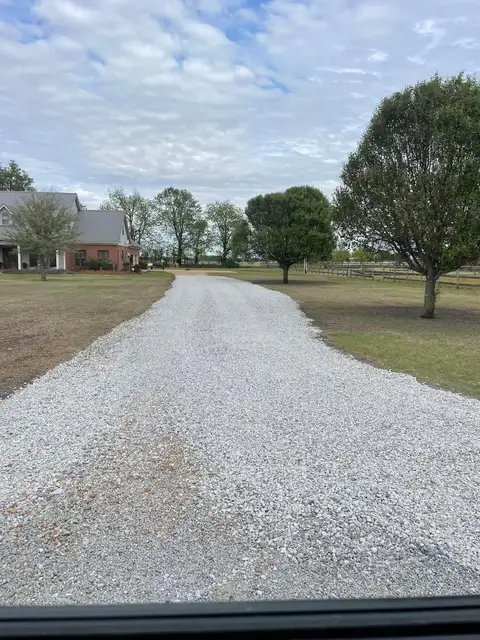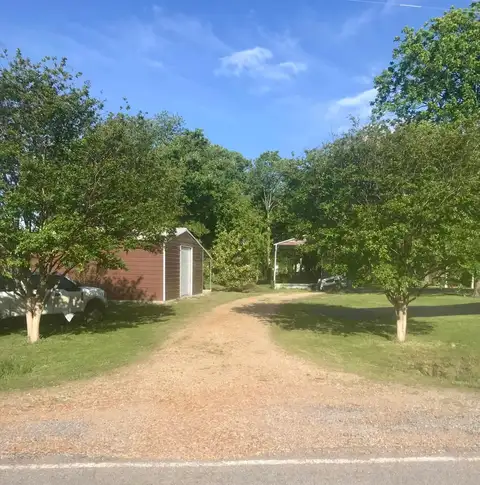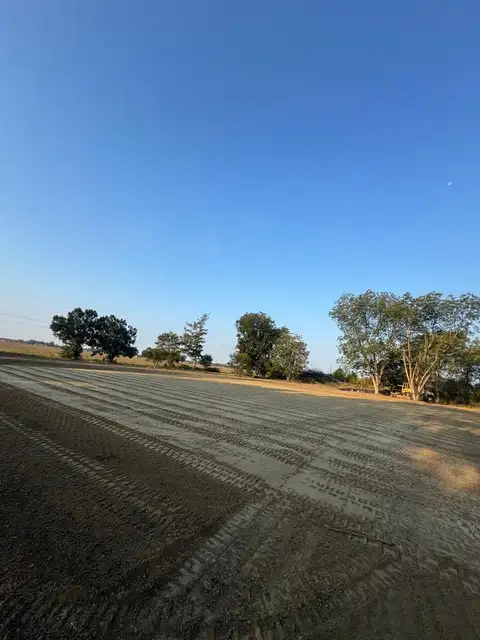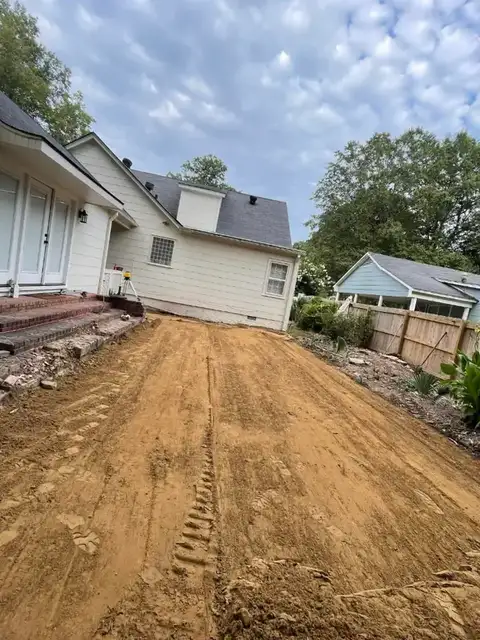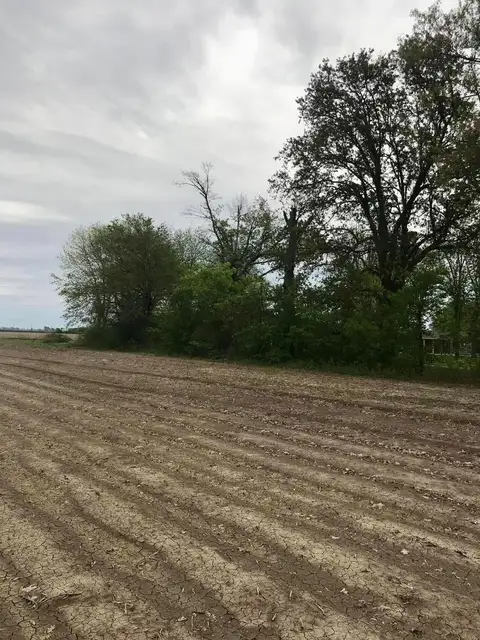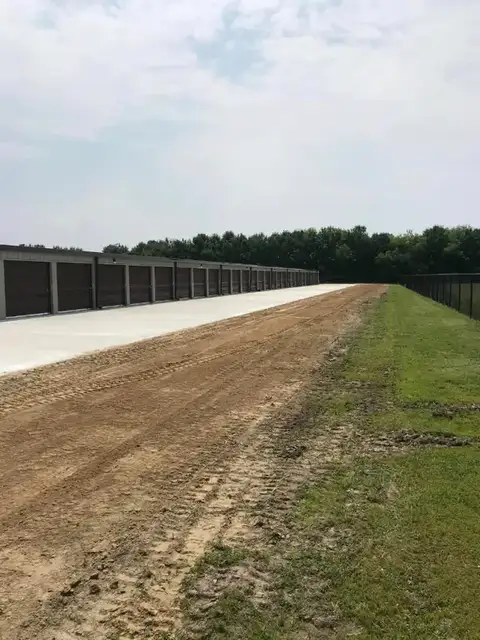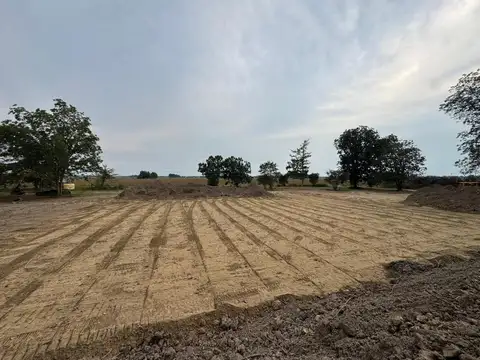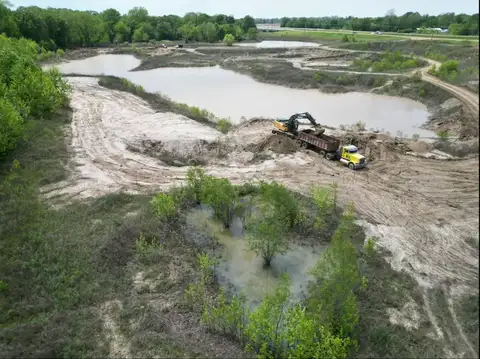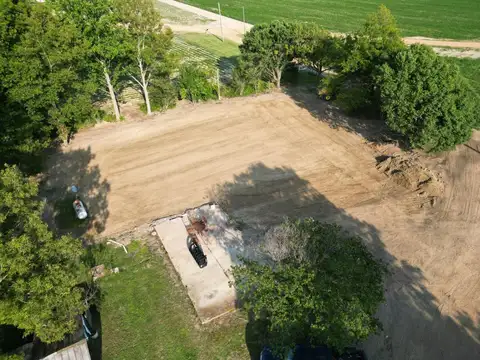

On flat Delta clay, water does not soak in and it does not run off on its own. It sits. Fixing that is mostly about surface drainage: giving the ground enough fall, then giving the water a path through swales, ditches and culverts to an outlet that can take it. The numbers involved are small, often inches over many feet, which is why grade has to be checked with an instrument and not by eye.
Why flat clay ground holds water
MAFES describes the Delta as nearly level, typical of large flood plains, with large flat areas of slack-water clay called buckshot. The USDA description of Sharkey soils lists slopes dominantly under 1 percent, very slow permeability, and poorly to very poorly drained conditions. MSU Extension calls controlling surface water and drainage a major soil management issue in the Delta.
Put that together and you get ground where rain does not go down and does not move sideways unless something sends it. Even a slight low spot will hold water for days. Most fixes involve shaping the surface, since the clay itself will not drain much. That is why low corners of fields and yards stay wet long after the rest has dried.
How much fall is enough
Around a house, the residential code calls for the grade to fall at least 6 inches within the first 10 feet from the foundation, and for hard surfaces within 10 feet to slope at least 2 percent. A Geo-Institute homeowner guide for shrink-swell soils suggests swales along the house fall about 6 inches in 25 feet.
Fields work on much flatter grades. University of Arkansas Extension guidance on precision grading says finished field grade should run 0.1 to 0.5 percent in the main slope direction, and that slopes under 0.1 percent are harder to build precisely and tend to leave low spots. At those grades, a few tenths of a foot decides whether water moves. A laser level is how you get it right.
Swales: the first tool on flat ground
A swale is a shallow, wide channel shaped into the ground, usually grassed, that carries water without looking like a ditch. Around houses, shops and yards on flat ground, a swale is often what moves water from the building to a ditch or low corner. A swale can carry a lot of water if it is wide and has steady fall.
The key is continuous fall from one end to the other. Arkansas Extension says drain furrows in fields need a continuous positive grade and belong in the low areas. The same goes for a yard swale. A swale with a hump in the middle just makes two puddles. Keep it shallow and wide enough to mow, and keep it clear of fill, mulch and debris that can block flow.
Ditches that keep working
NRCS defines a field ditch as a graded channel that collects and carries excess water to a larger main or lateral ditch. Its standard calls for a stable, non-eroding outlet and for maintaining the ditch's cross-section and grade: inspecting it periodically and after big storms, removing sediment and debris, and controlling vegetation.
Arkansas Extension notes that flow restrictions in field ditches can leave excess water on a field and that ditches should be cleaned out routinely. A ditch that has silted in or grown up in brush acts like a dam. Often the fix for a wet field or yard is not a new ditch but cleaning and regrading the one already there.
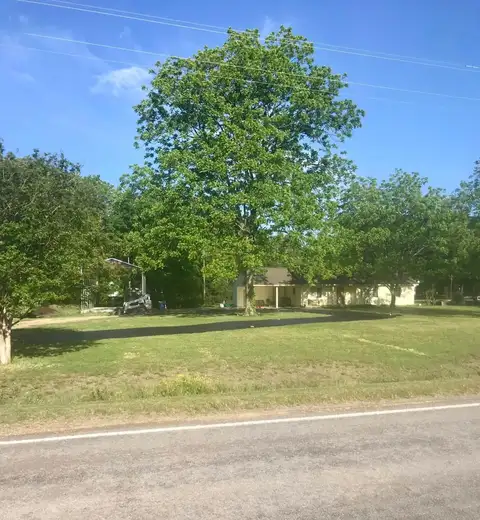
Culverts under drives and crossings
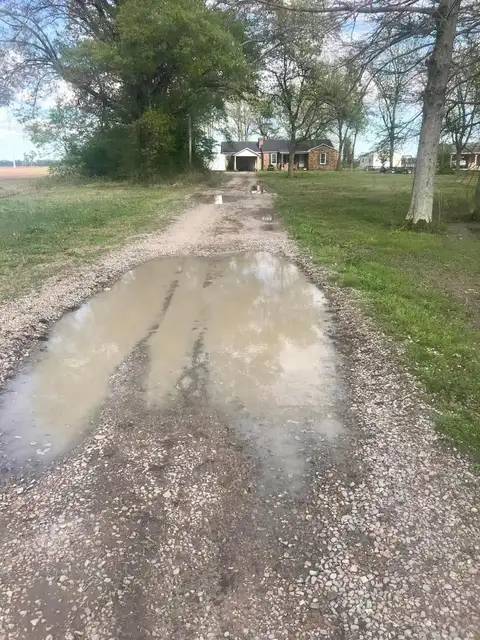
A culvert is only as good as how it is set. Oklahoma Forestry Services' culvert guide warns that a pipe set lower than the channel will collect soil and plug. It recommends covering the pipe with at least 12 inches of soil, or half the diameter for larger pipe, tamping fill along the sides rather than over the top, and placing rock below the outlet if the channel is not armored.
Size matters too. A pipe that is too small backs water up behind the drive. A driveway connecting to a state highway needs an MDOT permit, and the pipe has to meet MDOT's culvert material criteria. For county roads, check with your county road department before setting a pipe in the right-of-way.
Every drain needs an outlet
Water has to end up somewhere it is allowed to go: a road ditch, a field drain, a bayou or a pond. NRCS requires a stable outlet for every field ditch. For fields, Arkansas Extension suggests an outlet point for every 20 acres and says the goal is minimal standing water 24 hours after a rain, with nothing standing longer than two days.
Before you dig, figure out where the water goes after it leaves your property. Moving water onto a neighbor or into a road just moves the problem. If the outlet ditch downstream is blocked, the best grading on your place will not help much until that is fixed. Sometimes the fix starts off your land, at a culvert or ditch that needs cleaning.
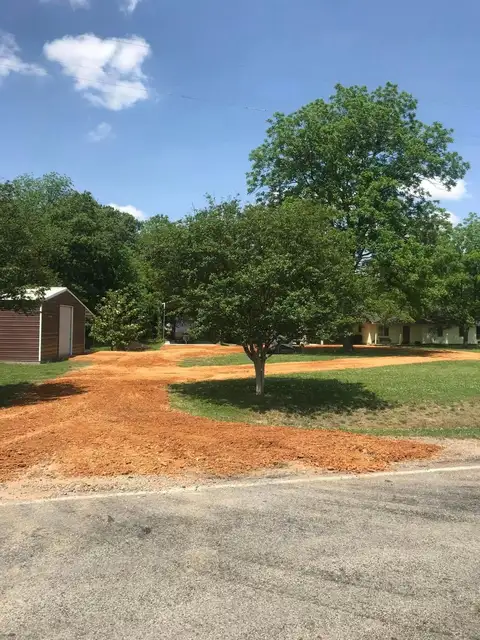
Check these before you dig
Mississippi law requires notice to Mississippi 811 at least three working days before you dig. Call 811 or use ms811.org. Utilities mark their lines, but private lines, like a service line from the meter to a shop, are the owner's responsibility. Hitting a buried line is dangerous and expensive, so do not skip this step.
If you farm and take part in USDA programs, draining a spot that may be a wetland can affect eligibility. NRCS says to file form AD-1026 with FSA before that kind of work. Placing fill in wetlands or streams may need a Corps of Engineers Section 404 permit. B&M does grading and drainage work. Call or text 662-719-7737 for a free estimate.
Need this done? B&M Land Management gives free estimates from Ruleville. Call or text 662-719-7737.
Free estimate