Pads and drainage on Shaw ground
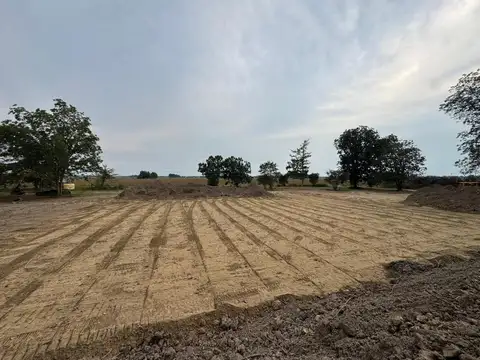
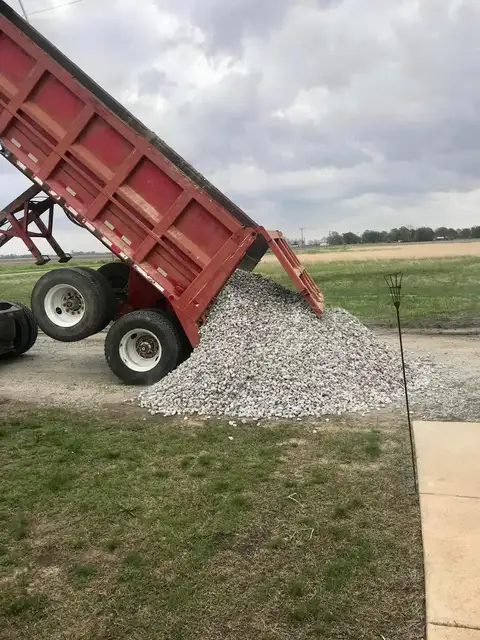
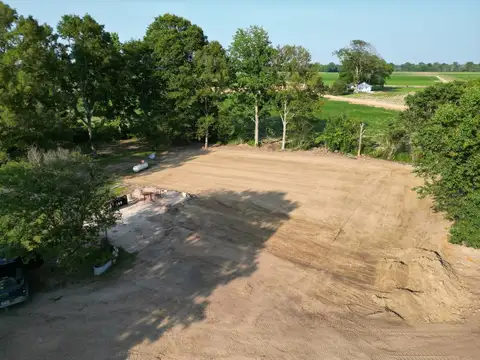
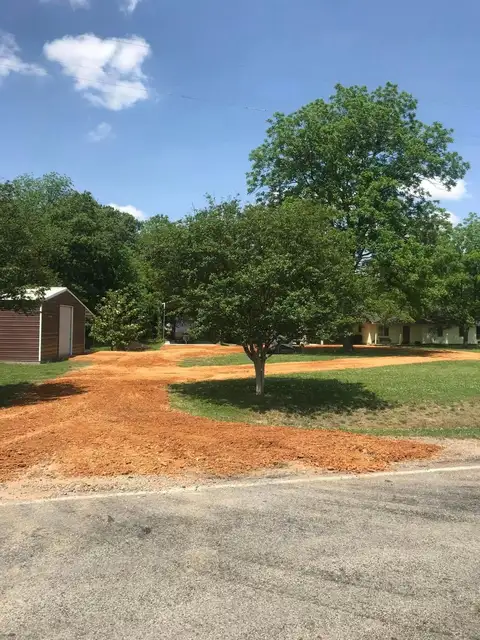
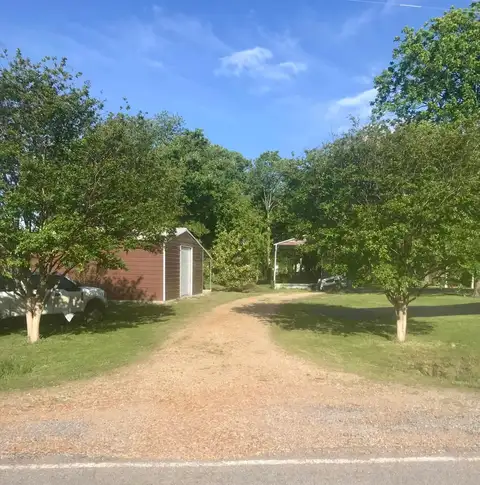
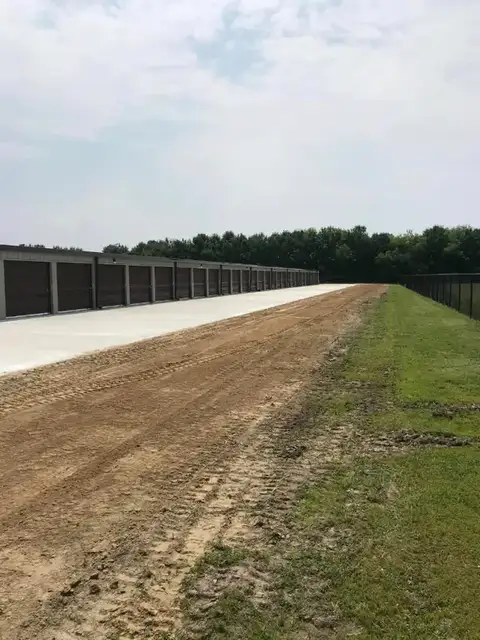
When land is this flat, a few inches of elevation decide where water sits after a rain. MSU Extension describes Delta clay as slow to take in water, with drainage as one of the main management problems. Around Shaw that means a pad needs to be built up with good fill and shaped to shed water, and a yard needs a grade that moves water away from the house. We check yard grades with a laser level.
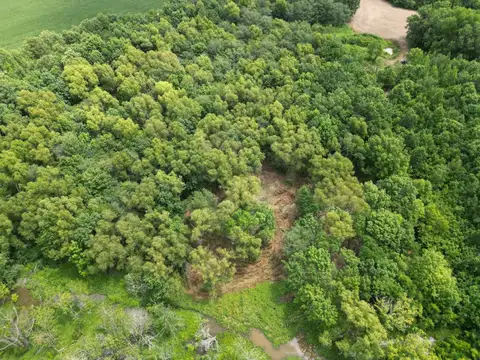
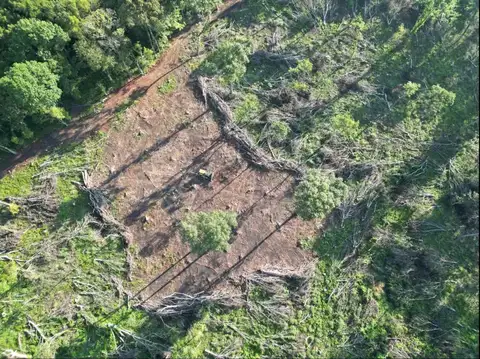
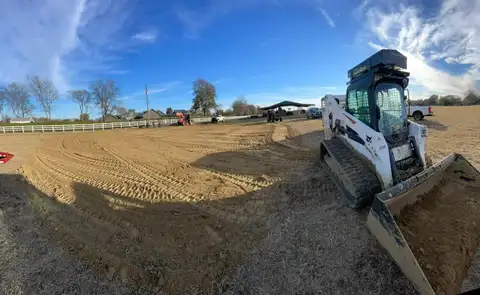
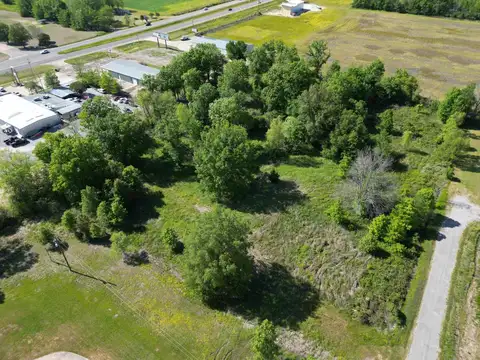
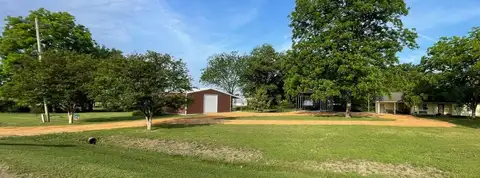
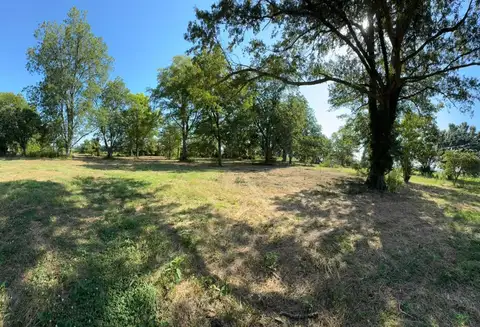
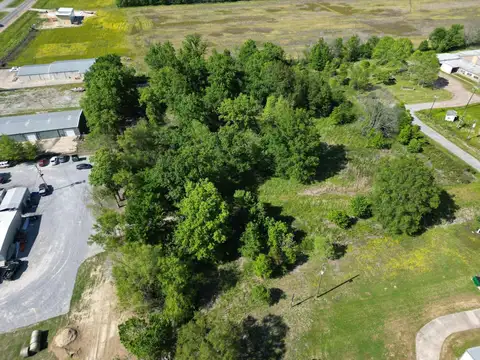
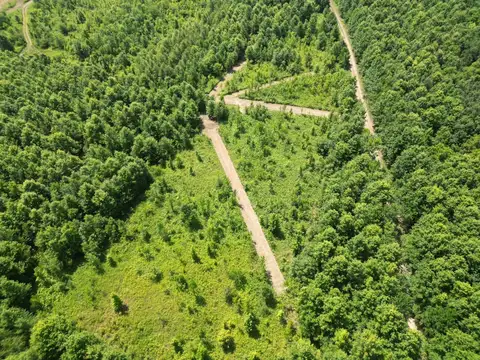
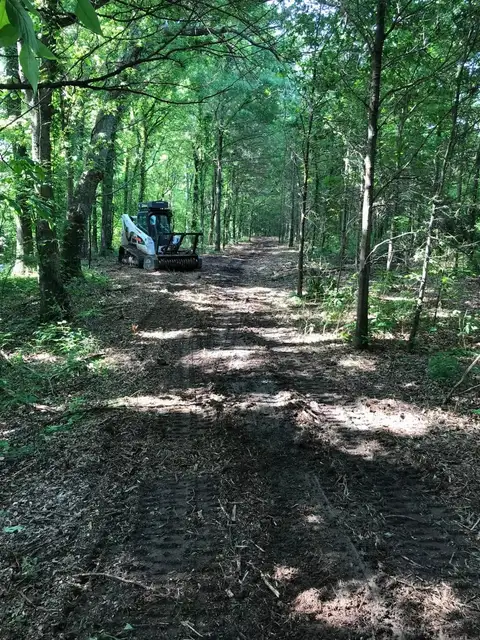
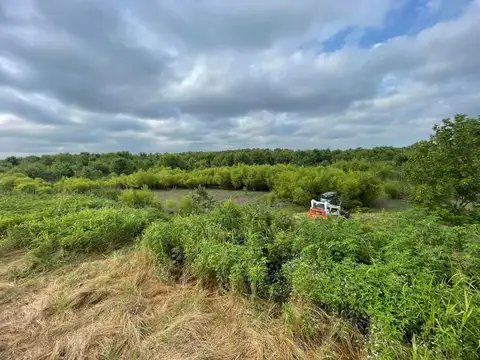
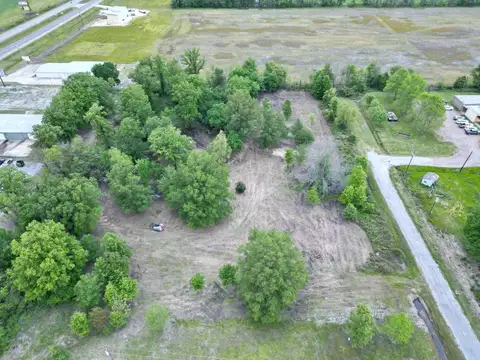
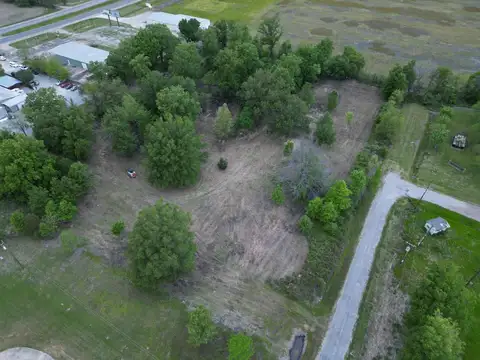
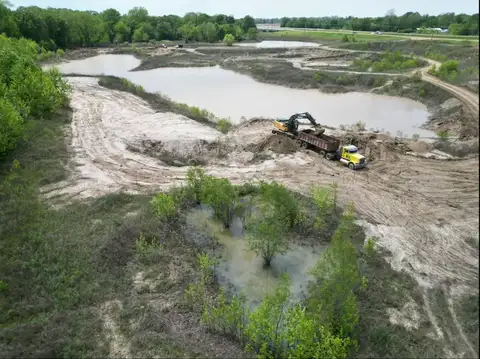
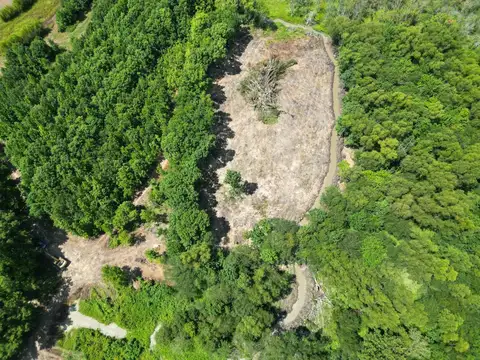
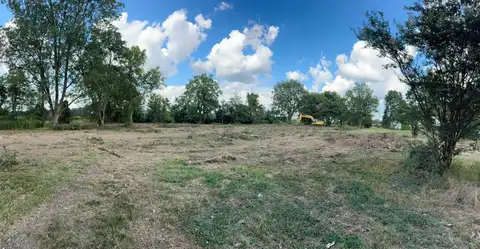
Out in the county, wooded tracts and grown-up field edges come up for clearing. B&M clears lots and tracts out of thick timber and pushes the timber up in windrows, or select clears so you keep the trees worth keeping. We dig ponds and dirt pits with an excavator and dump truck on site. For a building site or riding arena, we grade it with a track loader.
Lots in Shaw
Shaw has school lots at McEvans and Shaw High, church lots and small business lots. Small lots are worth doing right. Straight Line Services stripes lots of all sizes on new or sealed asphalt, and we can handle minor concrete and asphalt repair first so the lot is ready for paint. We mark no-parking zones and fire lanes where you need them.
Accessible parking has fixed numbers. A lot with up to 25 spaces needs at least one accessible space, and on a very small lot of 1 to 4 spaces that space has to be van accessible. Access aisles have to be at least 60 inches wide, as long as the stall, and level with it. We stripe the stall, the aisle and the symbol.
Which county? Permits around Shaw
Because Shaw sits on a county line, start by knowing which side your land is on. Most of town is in Bolivar County. The small eastern part is in Sunflower County, and the schools follow that line too: most of Shaw is in the West Bolivar Consolidated School District, and the Sunflower side is in Sunflower County's district. Inside town, check with Shaw's town hall. Outside town, check with the right county.
Statewide rules still apply. Mississippi law requires notifying 811 before digging. MDEQ construction stormwater coverage applies when a job disturbs 1 acre or more, with one permit for 1 to less than 5 acres and another for 5 acres and up. For burning brush, check local ordinances, MDEQ guidelines and any burn ban.