B&M Land Management, LLCStraight Line Services, Ruleville MS
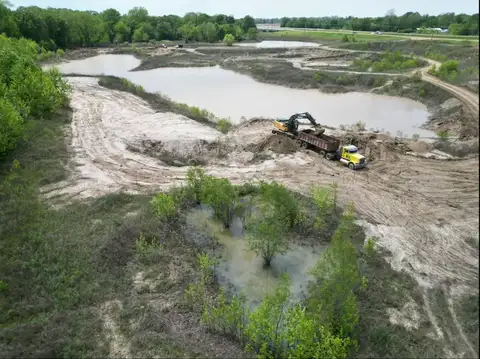
Drone view of a yellow excavator loading a dump truck at a pond dig

Ponds & Dirt Pits

Pond Digging and Dirt Pits in the Mississippi Delta

Excavator and dump truck on site to dig it out and haul the dirt. Fishing ponds, farm ponds, duck holes and dirt pits across the Delta.

Free estimates

Get a free estimate

Only your name and phone are needed. We call you back.

B&M Land Management

We dig ponds and dirt pits with an excavator and a dump truck on site. The excavator digs the hole and loads the truck, and the truck hauls the dirt where it needs to go. That might be a levee, a pad down the road or a pile you plan to use later. One crew, one setup, the dirt handled start to finish.

On flat Delta ground, most ponds are dug out instead of dammed across a valley. Heavy clay soils help a pond hold water, which is part of why the Delta has so many catfish ponds. But clay has to be handled right, and a pond still needs the right depth and water source. We talk through all of that before we dig.

What the job covers

  • Fishing, farm and hunting ponds dug out
  • Dirt pits dug for fill
  • Excavator and dump truck on site together
  • Dirt hauled to a levee, pad or stockpile
  • Pond banks shaped as the hole is dug
  • Utility locate through Mississippi 811 before digging
  • Free estimate before any work starts

B&M Land Management · Ruleville, MS

Our photos
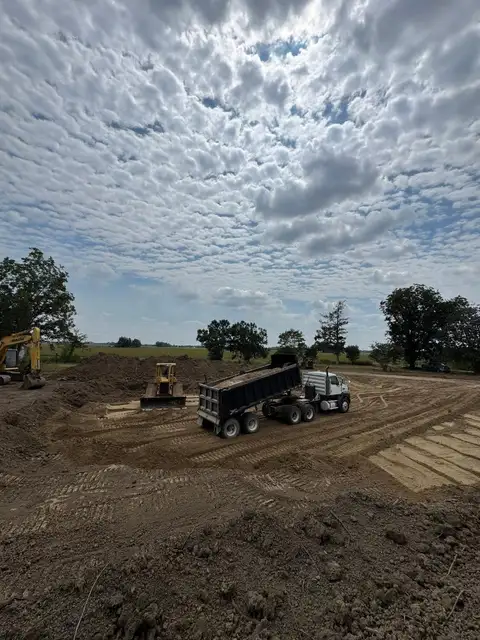
Dump truck and excavator on a graded dirt pad
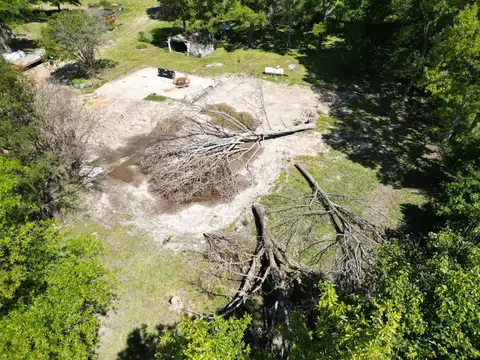
Drone view of fallen trees and a torn-up yard beside a slab, ready to be cleared

On the job

Real machines. Real work.

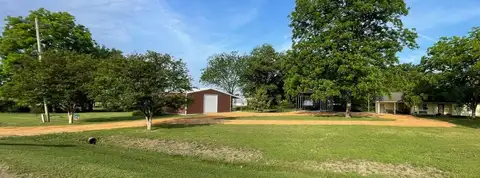
Every photo here is from a B&M Land Management job. No stock pictures.

See all recent work
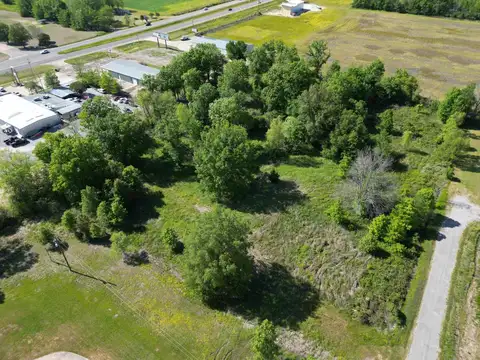
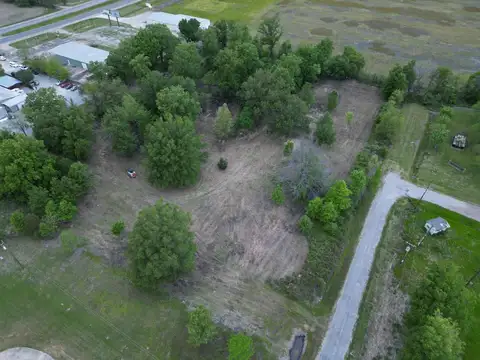
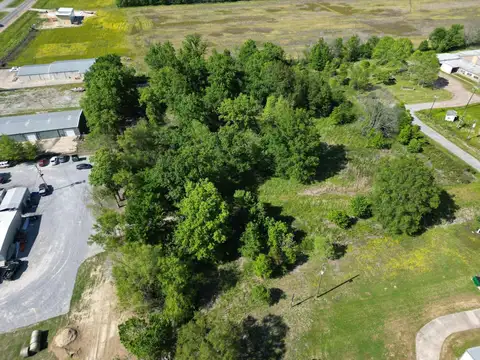
Drone view of a lot in town cleared of brush with the big trees kept
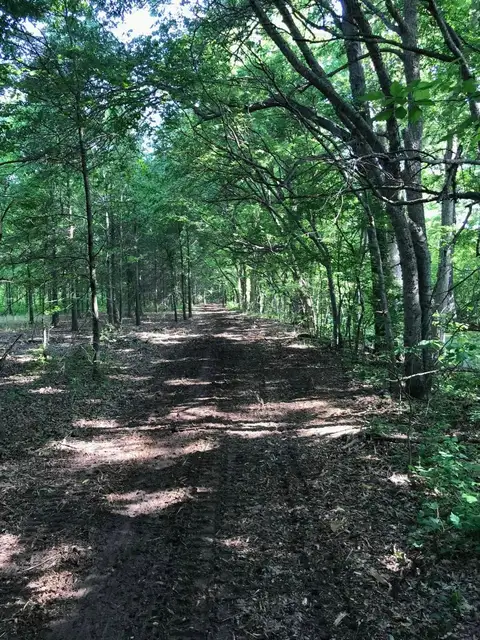
Finished lane under a hardwood canopy, brush cleared to the tree line
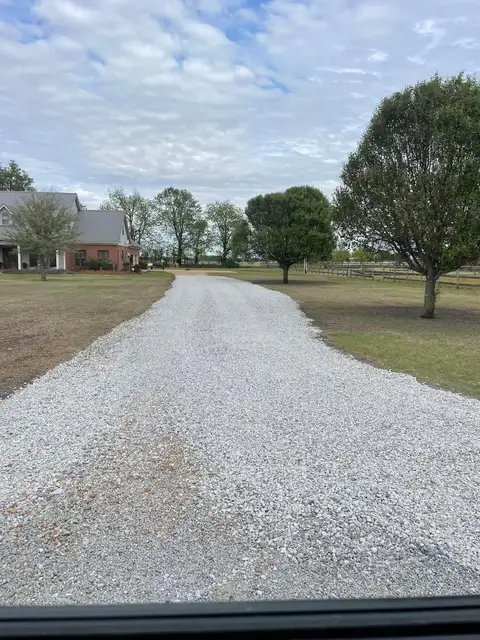
New gravel drive running up to a brick house
Drone view of a long cleared strip through thick pine timber with a truck and trailer
Overgrown corner lot from above before clearing
Drone view of cleared strips and an open field cut into dense green woods
Gravel drive shaped and spread out to the road
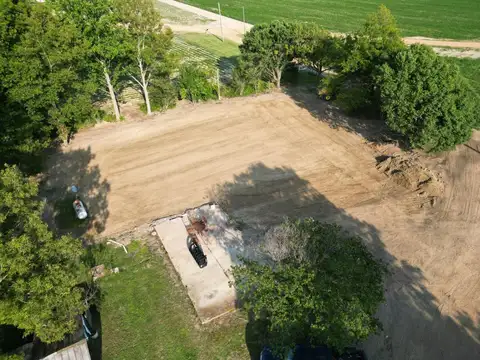
Drone view of the same site cleared and graded clean around the slab
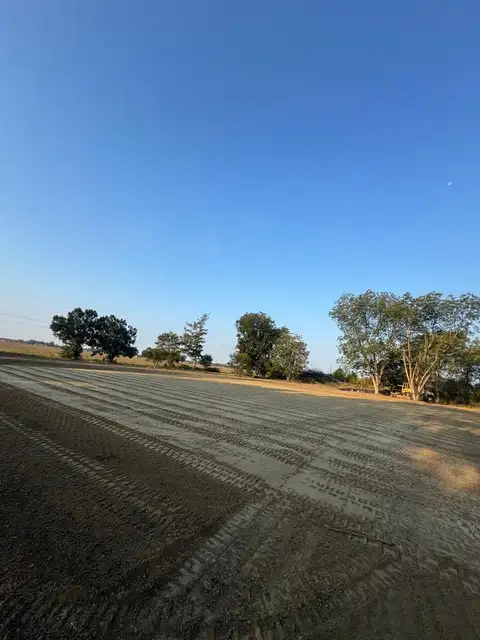
Freshly graded ground smoothed out flat under a clear sky
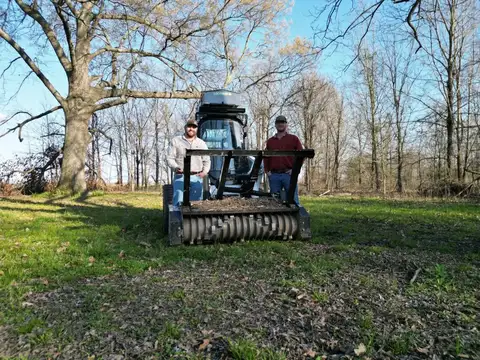
Tracked skid steer with a forestry mulching head in a cleared hardwood stand, two crew members standing at it
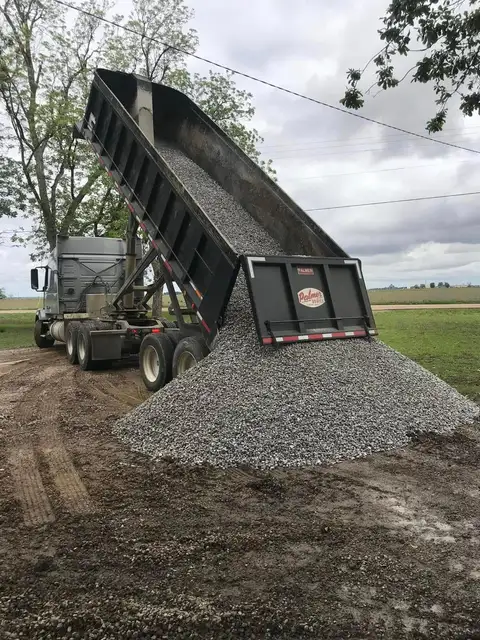
Dump truck spreading gravel over a muddy lot
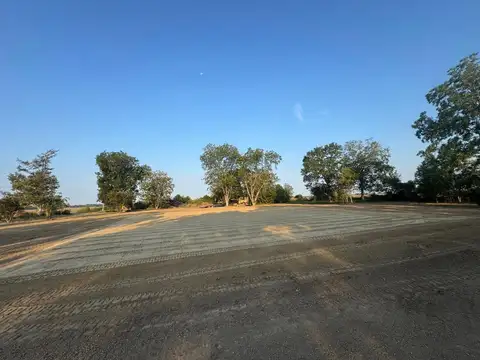
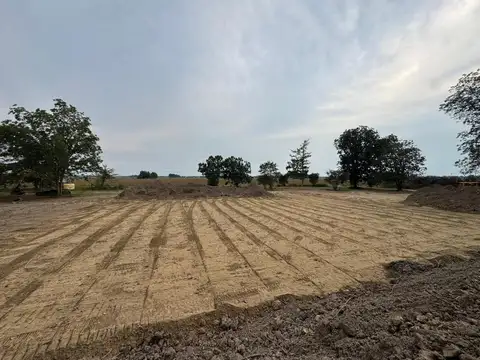
Big graded area with track marks running across it, ready for the next step

How we dig a pond

We lay out the pond with you first: where it sits, how big it is and how deep. Then the excavator starts digging and loading the dump truck. Dirt goes where it does the most good. It can build up the banks, go to a pad site or get stockpiled for later. Banks are shaped as we go instead of left as a straight wall.

Mississippi State University Extension says ponds in the state should average about 5 to 6 feet deep and be no more than 10 to 12 feet deep, and warns against big areas under 3 feet that grow weeds. It also suggests banks no steeper than 3 to 1 on the water side. We use guidance like that when we plan your pond with you.
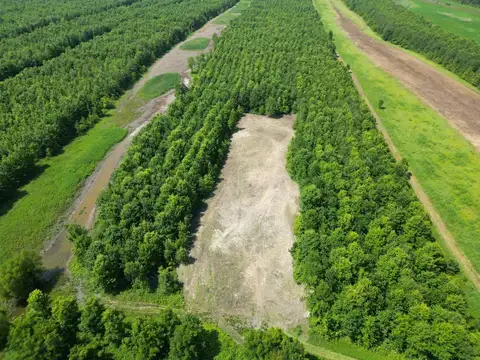
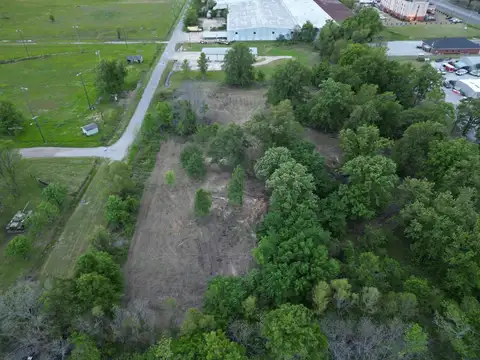
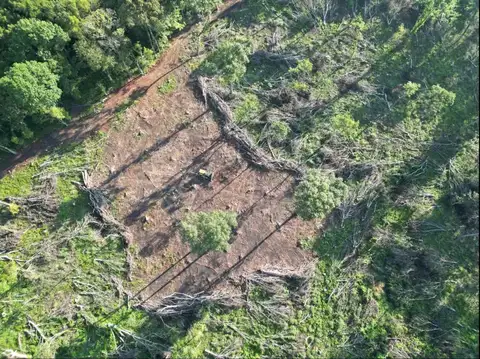
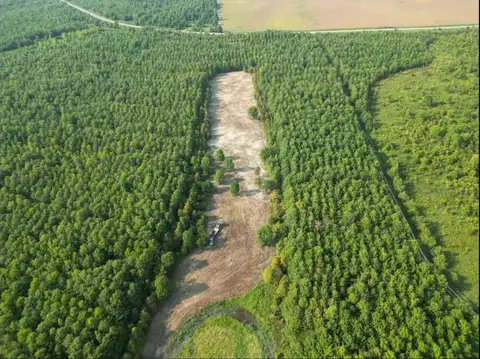
Drone view of a cleared plot cut out of a pine stand
Drone view of a cleared plot cut out of a pine stand.

What affects a pond job

Soil is first. MSU Extension says soil needs at least 20 percent clay to hold water, so a soil boring on the site is worth doing. Most Delta clay holds water well, but sandy spots near old river channels may not. Water supply is next. A dug pond on flat ground fills from runoff or a well, and Extension advises against pumping from creeks and sloughs when you can avoid it.

Size and depth decide how much dirt has to move. Where that dirt goes matters too. Hauling it a short distance to a pad is a different job from hauling it off the property. Access, wet weather and buried utilities all play in. Mississippi law requires a locate through Mississippi 811 at least two working days before digging.

Catfish ponds, dams and permits

Delta catfish ponds are levee ponds: flat ground, dug partway and built up with levees. Southern Regional Aquaculture Center guidance puts production ponds at 3.5 to 5 feet deep, with levees 15 to 20 feet wide and at least a foot of freeboard. The USDA NRCS handbook Ponds: Planning, Design, Construction covers both dug ponds and dammed ponds.

For dams, MDEQ requires written approval before building, altering or repairing one that is 8 feet or taller and holds 25 acre-feet or more. A surface water impoundment permit may be needed even when dam approval is not. If the pond touches a creek or wetland, check with the Corps of Engineers about a Section 404 permit. We will tell you when to make those calls.
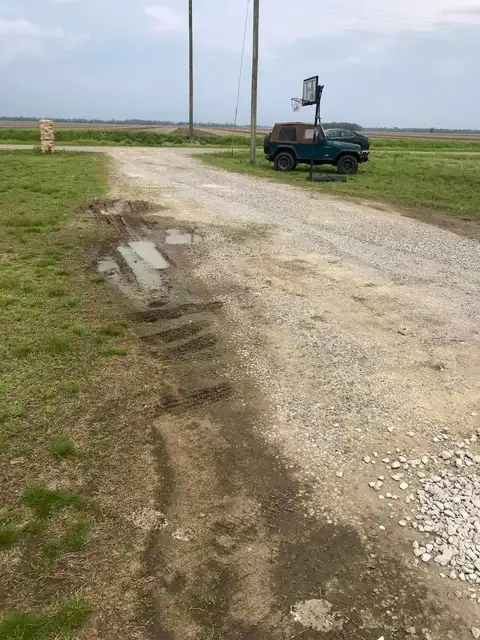
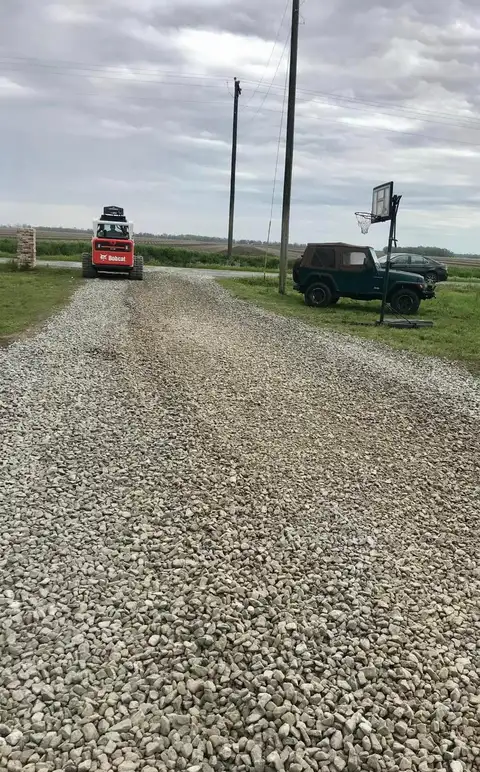
Rutted edge of a gravel drive where water sits
Rutted edge of a gravel drive where water sits.
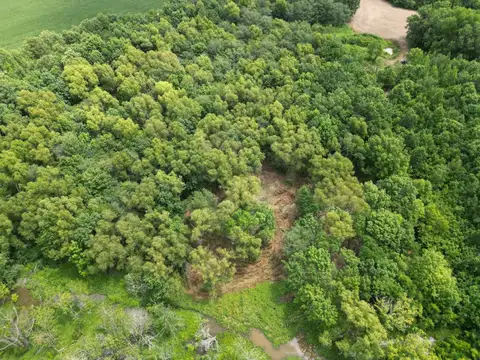
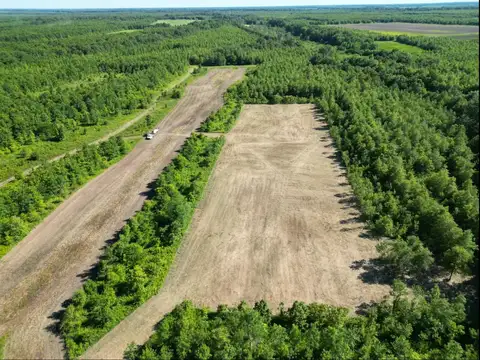
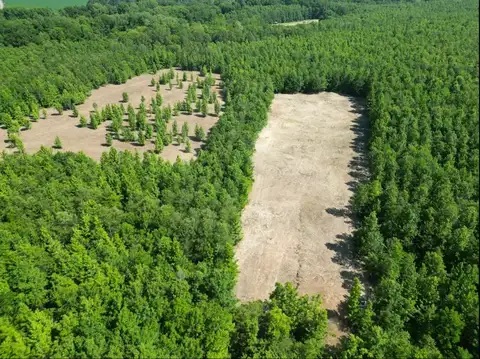
Drone view of a cleared rectangle in dense woods beside a thinned tract with trees left standing
Drone view of a cleared rectangle in dense woods beside a thinned tract with trees left standing.

Who it is for

Landowners who want a fishing pond close to the house. Farmers who want a pond for livestock or a dirt pit for fill on the place. Hunters who want a duck hole or water on their tract. People building a pad who would rather dig the dirt on their own land than haul it in, if the soil is right for it.

If you need the dirt from the pond for a house pad, see our pads and fill dirt page. If the pond site is in the woods, we can clear it first. Tell us what the pond is for. A pond for bass and bream, a pond for cows and a dirt pit are three different plans.
Questions

Common questions

How deep should my pond be?

Mississippi State University Extension suggests ponds in the state average about 5 to 6 feet deep and go no deeper than 10 to 12 feet, with about a fifth of the bottom at least 6 feet deep. Large areas shallower than 3 feet tend to grow weeds and dry up late in summer.

Do I need a permit to build a pond?

It depends on the pond. MDEQ requires written approval for a dam 8 feet or taller that holds 25 acre-feet or more, and a surface water impoundment permit may be needed even for smaller ones. Ponds touching creeks or wetlands may need a Corps 404 permit.

Will my pond hold water?

Most Delta clay holds water well, but not every spot does. MSU Extension says soil needs at least 20 percent clay to hold water and recommends soil borings to check. Sandy ground near old river channels is the kind of place that deserves a closer look.

What happens to the dirt you dig out?

The excavator loads it straight into the dump truck. It can build up the pond banks, go to a pad site on your land or get stockpiled for later. Tell us what you need the dirt for and we will plan the dig around it.

Free estimates

Tell us about the job

Land or lot, one number reaches both companies. Call, text or send a few details. Only your name and phone are needed.

  • Only your name and phone are required
  • Land clearing, dirt work and demo across the Delta
  • Parking lot striping in MS, LA, TN, AL and AR
  • Rather talk now? Call or text 662-719-7737

Free estimates

Tell us about the job

Only your name and phone are needed. We call you back.

CallFree estimate