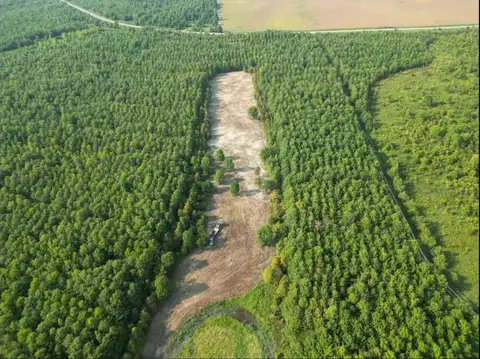
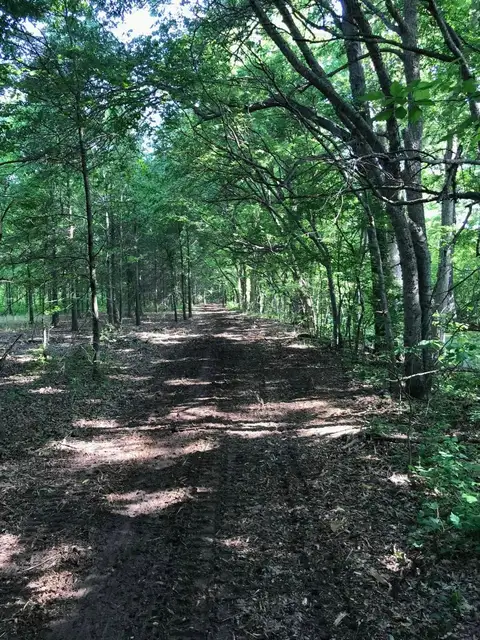
Digging a pond on flat Delta ground
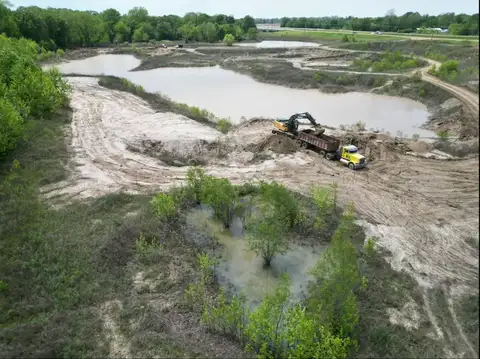
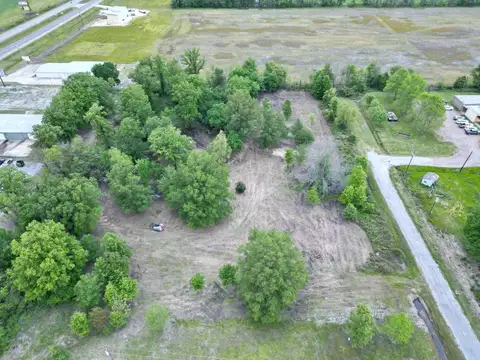
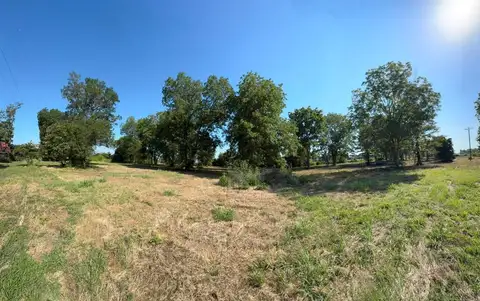
On flat land the pond is an excavated hole or a levee pond, where soil from the bottom is piled into banks around the edge. MSU Extension describes Delta catfish ponds the same way: built on flat land by removing soil from the pond bottom and pushing it into levees. A dug pond around Cleveland fills from rain, runoff routed to it, and sometimes a well. Plan the water supply before you plan the size.
MSU Extension recommends an average depth of about 5 to 6 feet and no more than 10 to 12 feet for Mississippi ponds, with roughly 20 percent of the bottom at least 6 feet deep. Banks should drop quickly to about 3 feet so weeds have a harder time getting started. Waterside slopes should be no steeper than 3 to 1.
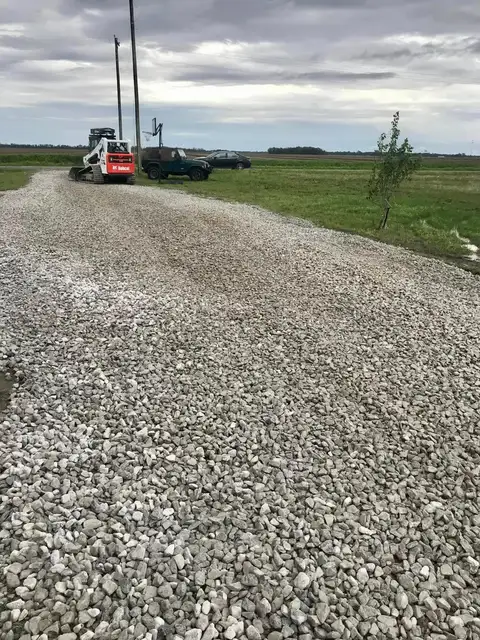
Bolivar County clay and the dirt
MSU Extension says a pond site needs at least 20 percent clay to hold water. Much of the ground around Cleveland is far above that. The USDA describes Sharkey clay, a common Delta soil, as very slowly permeable. Not every spot is the same, though. Ground near old channels and bayous can be siltier or sandier, so soil borings or a test hole before you commit is a good idea.
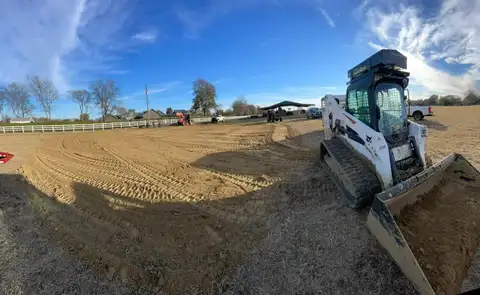
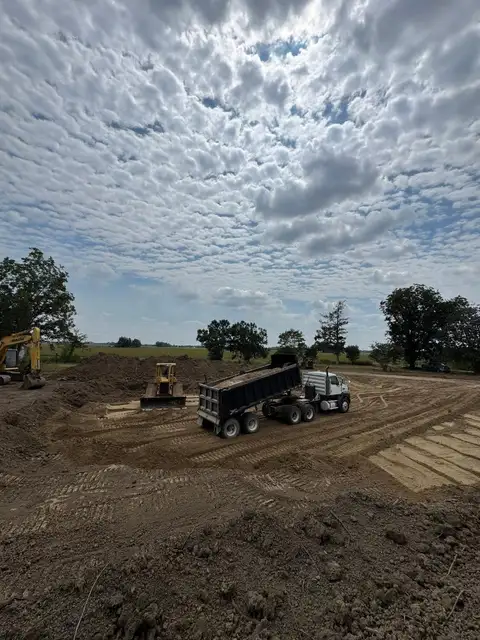
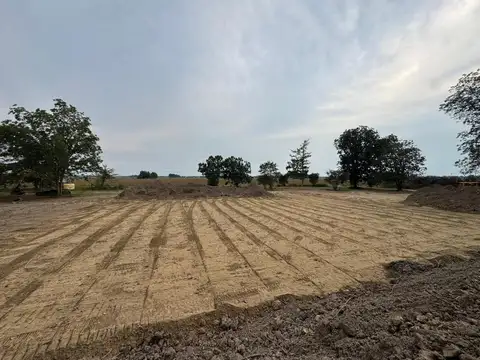
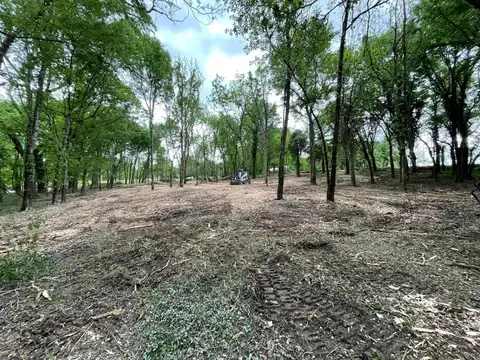
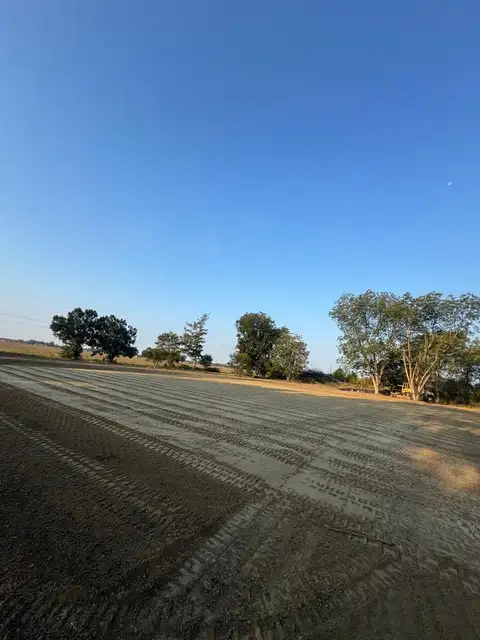
A pond also makes a lot of dirt. That is the dirt pit side of the work. Spoil can build a bank, raise a house pad, fill a low spot in the yard, or be hauled off with the dump truck. Wet clay is heavy and sticky to move, so dry weather helps. We plan where the dirt goes before the first bucket.
Permits and planning help
MDEQ requires written authorization to build a dam unless it is 8 feet high or less, holds 25 acre-feet or less, or does not dam a watercourse with continuous flow. Even exempt projects must notify MDEQ before construction. A surface water impoundment permit may also apply. Disturbing an acre or more, including the pond and dirt area, brings construction stormwater permit conditions.
If the site has wetlands or a stream, check with the Corps of Engineers about a Section 404 permit. NRCS Conservation Practice Standard 378 covers both embankment and excavated ponds, and the local NRCS office can help with site and soils. Inside Cleveland, check with Community Development too. Mississippi law requires an 811 locate request at least two working days before digging.