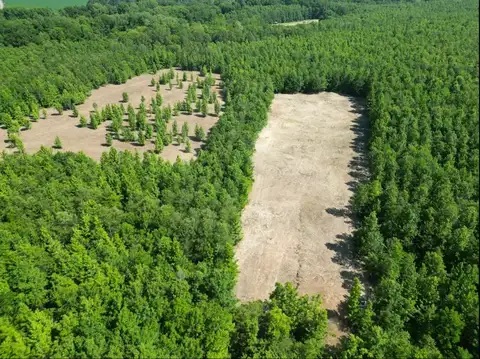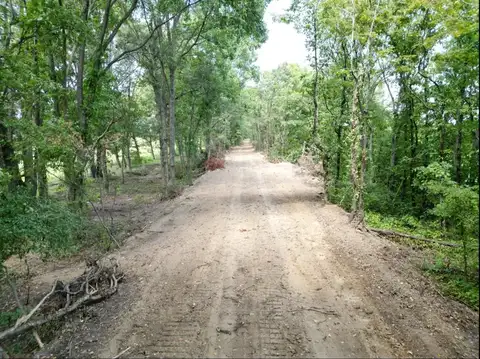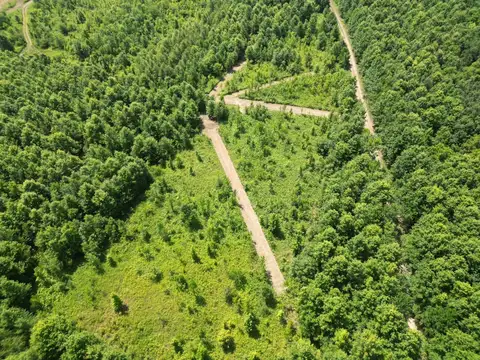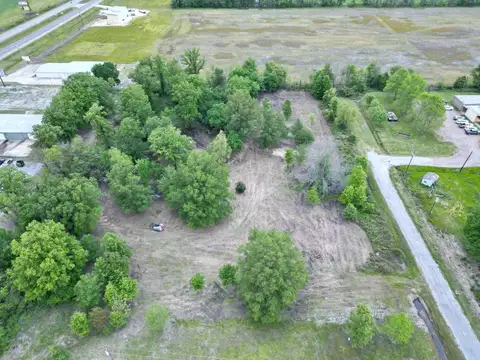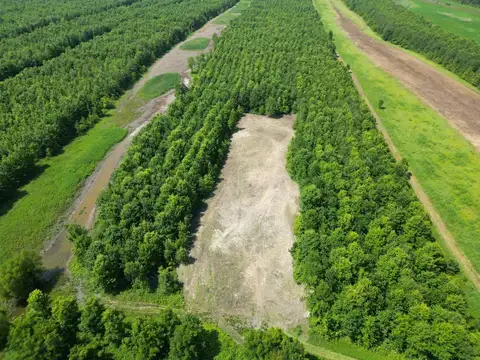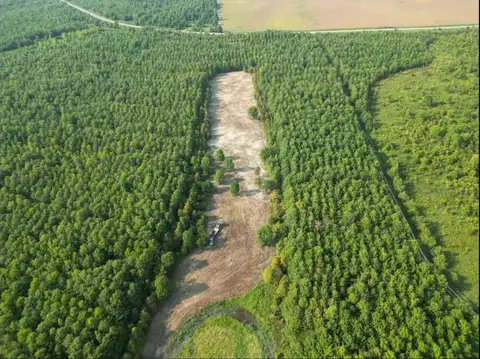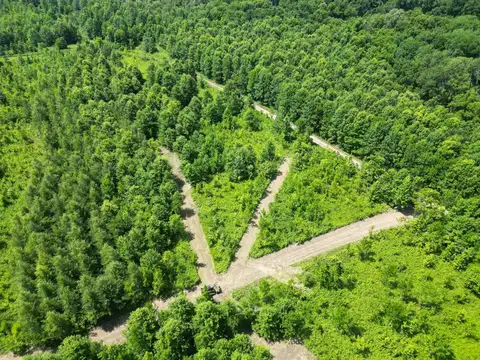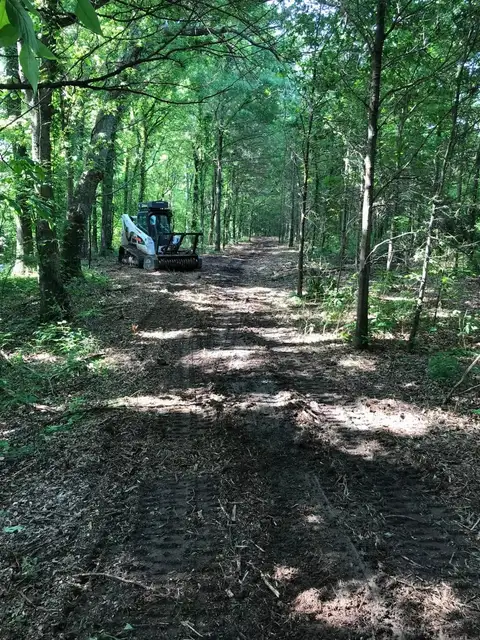
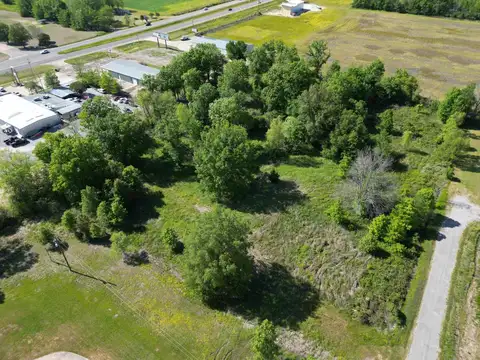
Two tracts the same size can cost very different amounts to clear. The difference is almost never the acreage alone. It is what is standing on the ground, how wet that ground is, how clean you want it when the machines leave, and what has to happen to the timber and brush. This guide walks through the factors that move the number up or down, so you know what to ask about before you get an estimate.
What is standing on the ground
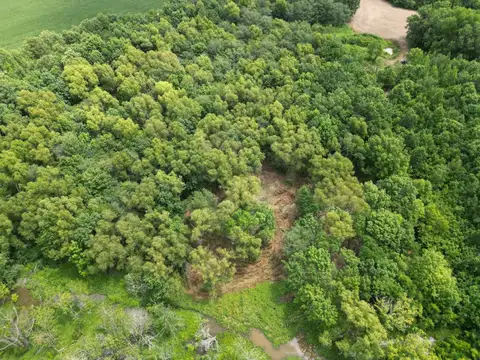
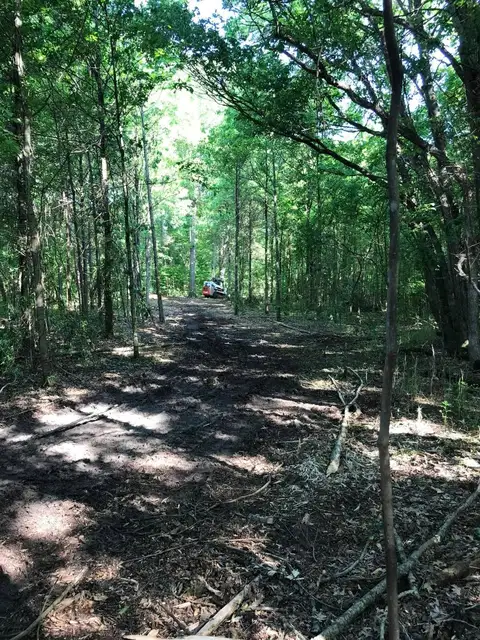
The biggest factor is the timber itself: how thick it is, how big the trees are, and what kind. Virginia Tech's extension guide on clearing land lists vegetation type, site size, soil conditions and terrain as the main things that drive cost, and notes that pine is easier to process than other species. A tract of young pine and brush is a very different job from bottomland full of big hardwoods.
Tree size matters most when the plan is to mulch. University of California extension guidance on mastication says cost per acre rises exponentially as the target tree diameter goes up, and that mulching large standing trees is almost always cost-prohibitive. On those tracts, pushing the timber or cutting it first usually makes more sense.
Acreage, access and the shape of the job
Total acres matter, but so does how those acres are laid out. One open block is simpler to work than a long, narrow strip or a scatter of small spots around a house, barn or field edge. Each move of the machine between work areas takes time. Even a small job still means hauling the equipment in and back out.
Access counts too. The equipment has to get in on a trailer and then reach the work. A gate that is too narrow, a soft field road after a rain, or a ditch with no crossing can all add work before any clearing starts. If you know of a good way in, tell whoever is giving you the estimate.
Wet Delta clay slows everything down
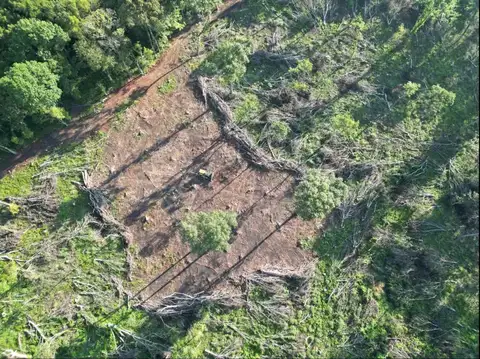
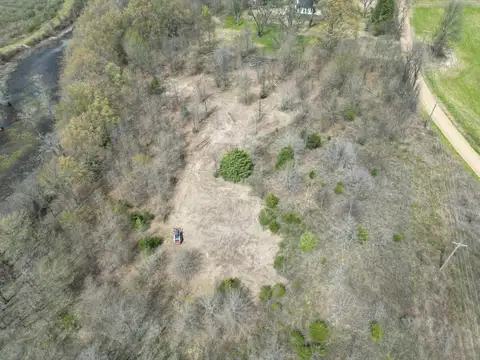
A lot of Delta ground is heavy clay. The USDA description of Sharkey soils, one of the Delta's major soils, calls them poorly to very poorly drained with very slow permeability, on slopes that are mostly under 1 percent. Mississippi State Extension says controlling surface water and drainage is a major soil management issue in the Delta.
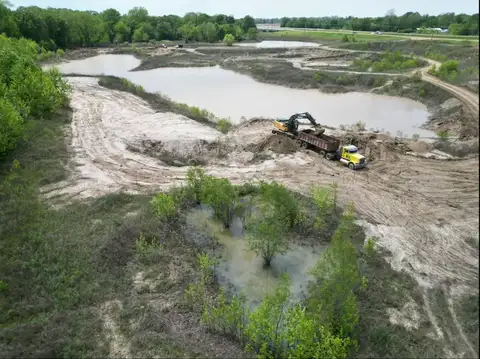
In practice, that means rain can shut a clearing job down for days, and working ground that is too wet tears it up. University of California guidance recommends operating on dry soils to limit compaction. Timing the job for a dry stretch can save both time and ground damage. Ruts left in wet clay also have to be smoothed out later.
How clean you want it
The Virginia Tech guide lists how clean the landowner wants the site as one of the cost factors, and that matches what we see. Opening up a hunting tract for lanes is one level of work. Clearing for pasture is another. Clearing for a house pad or a pond, where stumps and roots have to come out so the ground can be graded, is more.
Stumps are a big part of this. The same guide notes most pine stumps, except shortleaf, rot away in three to five years, while most hardwoods resprout unless the root system is killed. If you can live with stumps for a while, that changes the job. If the ground has to be graded right away, they have to come out.
What happens to the timber and brush
Cleared material has to go somewhere. Common options are pushing it into windrows and leaving it, burning it, grinding it, or hauling it off. The Virginia Tech guide compares these and notes that piling and leaving is very cheap but unsightly, while grinding removes everything but costs more. Hauling adds truck time on top of the clearing.
Burning has its own rules. Mississippi DEQ rules say land-clearing debris cannot be burned within 500 yards of an occupied dwelling unless a forced-draft (air curtain) system is used, and even then not within 50 yards. Burning is also off the table during a Forestry Commission high fire danger alert or a county burn ban. If burning will not work on your place, plan for another way to handle the debris.
Sell the timber first if it is worth selling
If there is merchantable timber on the tract, it may be worth money before anyone clears it. The Virginia Tech guide notes valuable timber can be sold, or traded for clearing services, sometimes through a consulting forester. In pine stands, a harvest can do most of the clearing work. Find that out before the clearing starts, not after.
The Mississippi Forestry Commission recommends using a registered forester to plan a timber sale, using sealed bids when possible, and getting a written contract that covers damage limits, payment and cleanup. A logged tract leaves stumps, tops and limbs, which is a different and usually lighter clearing job than standing timber.
Rules that can change the plan
Some jobs carry paperwork. Mississippi law requires notice to Mississippi 811 at least three working days before digging. If stumps are coming out anywhere near buried lines, make that call. MDEQ construction stormwater coverage applies to sites of 1 acre or more, so a clearing job tied to building or development may need it. Check with MDEQ if you are not sure.
If you farm and take part in USDA programs, clearing or draining a spot that might be a wetland can affect your eligibility. NRCS says to notify FSA by filing form AD-1026 before that kind of work. Work that places fill in wetlands or streams may also need a Corps of Engineers Section 404 permit.
How to get a useful estimate
The more we know up front, the closer the estimate. Have an idea of the acreage and where the lines are, what you want the land to be when it is done, whether stumps have to come out, and what you want done with the debris. Mention any timber sale, soft spots, ditches or buried lines you know about. Call or text 662-719-7737 or send the form. We will talk it through, come look at the tract when it needs it, and give you a free estimate before any work starts.
Need this done? B&M Land Management gives free estimates from Ruleville. Call or text 662-719-7737.
Free estimate