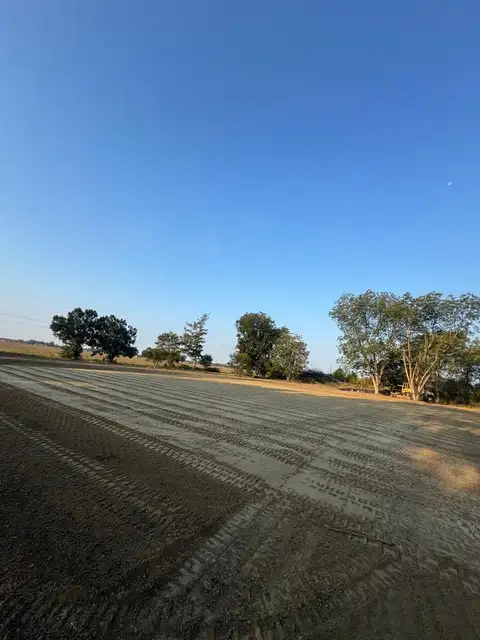
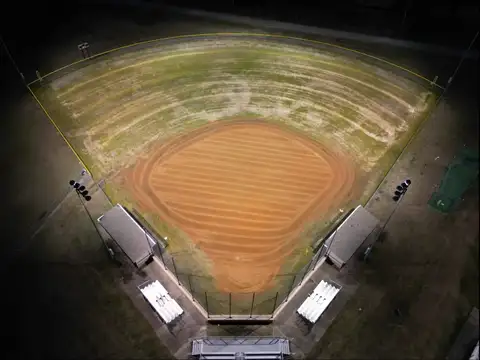
A good infield plays the same every inning. The ball hops true, cleats grip without sliding, and a shower does not cancel the game. That comes down to four things: the right dirt mix, enough slope to shed water, careful dragging, and keeping the edges from building lips. Here is what turf extension specialists and sports field managers recommend, with notes on the heavy clay a lot of Delta fields start with.
What a good infield mix is
Infield skin is a blend of sand, silt and clay. Writing as head groundskeeper for the Baltimore Orioles, in an article later reprinted by a sports field managers' newsletter, Paul Zwaska recommended keeping the sand between 50 and 75 percent, with silt and clay together not over about 40 to 50 percent. His example field mix was 60 percent sand, 20 percent silt and 20 percent clay.
University of Kentucky turf specialist A.J. Powell gave the same target for renovating heavy surfaces: add mortar sand until the mix is near a 60:20:20 ratio of sand, silt and clay. He also warned against sand with particles larger than one-eighth inch. Too much sand and the skin gets loose and dusty. Too much clay and it turns to grease when wet and concrete when dry.
Delta clay on an infield
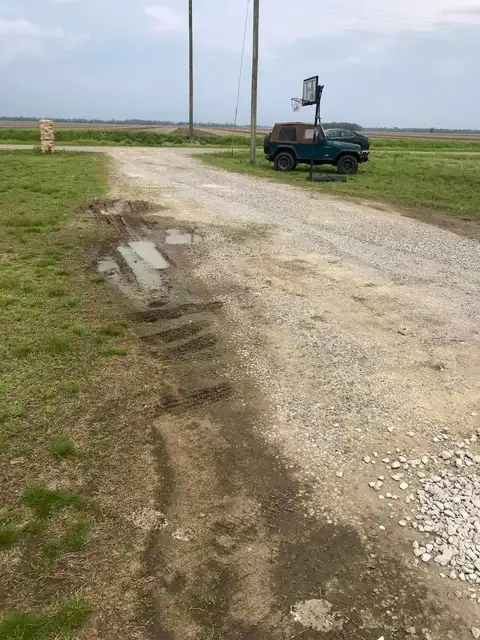
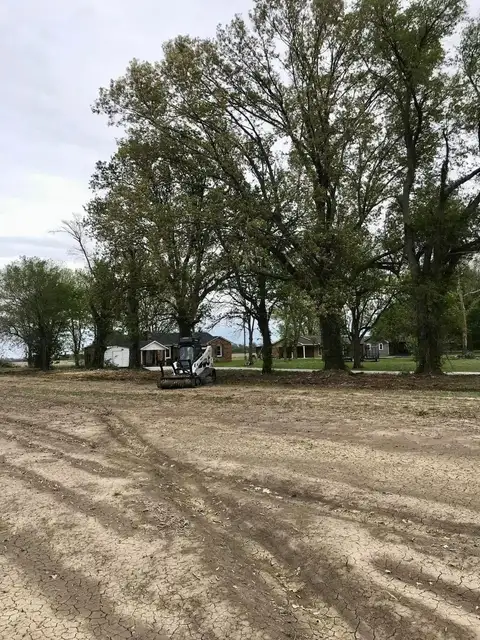
Plenty of Delta fields sit on native buckshot clay. University of Missouri Extension describes Sharkey clay as shrink-swell soil that is sticky when wet, and the USDA soil description notes cracks 1 to 3 centimeters wide open in most years as it dries. That is about the worst behavior you can have on an infield.
Powell's guidance for heavy clay skins is to spread about 2 inches of mortar sand and till it into the top 3 inches of soil, working toward that 60:20:20 target. On some fields, bringing in a blended infield mix is the cleaner fix. Either way, test what you have before you start adding material.
Grade and slope
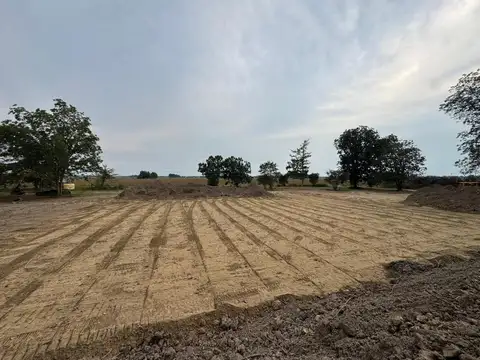
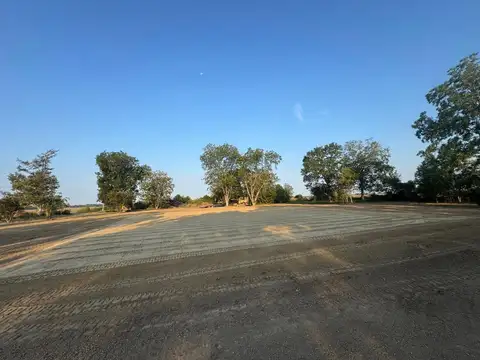
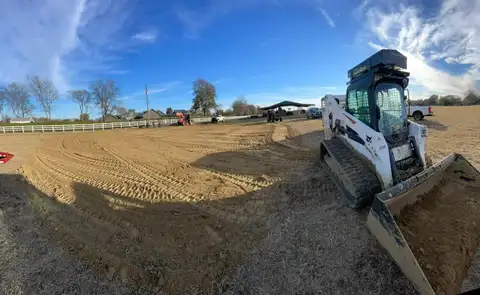
Water has to leave the skin on the surface. Powell called a surface slope of one-half percent a must, and said the skin should be level with the grass so water does not pool at the edge. He also warned never to grade a field so water from the grass or foul lines drains onto the skin. Zwaska recommended at least 1.5 inches of fall from the front of the skin to the back.
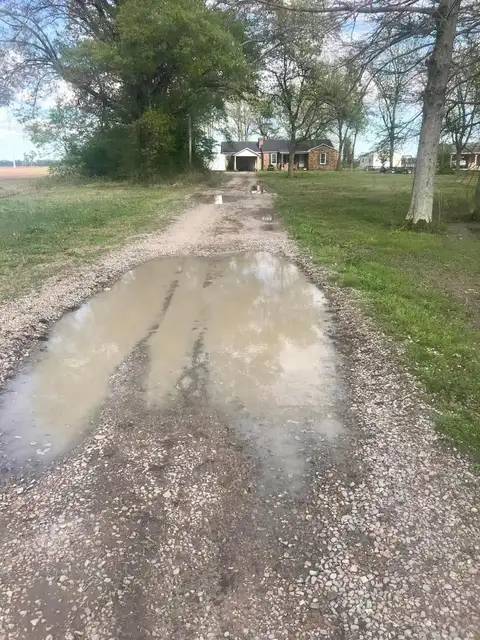
A Sports Turf Managers Association article notes underground drains are rarely installed on ball fields, so correcting high and low spots is essential. Penn State Extension says puddles are the number one cause of canceled games. Over time, dragging and play move dirt around. Rechecking grade with a laser level and reworking the surface puts the slope back.
Dragging the right way
Dragging is where most infields get hurt. Powell recommended keeping the drag at least 12 inches from the grass edge, working toward the center and varying the pattern. The STMA article says to vary the pattern each time, stop 5 to 6 feet short of the edge before lifting, exit at a different spot each time and never drag over home plate.
Penn State Extension adds two simple rules: drag slowly so you do not shove material around, and never drag with a truck, SUV or car. Hand-rake the edges instead of running the drag up to the grass. Those few habits do more to keep a field playable than any product you can buy.
Lips: how they form and how to fix them
A lip is the ridge that builds up where the skin meets the grass. In a SportsField Management article, Keith Winter lists the causes: infield material blown, washed or dragged onto the turf edge, plus conditioner building up over time. The STMA article notes lips are a major cause of bad-hop injuries, and Powell pointed out they trap water at the edge.
Prevention is daily work: blow loose material off the edges after games, sweep them with a stiff broom at least weekly, and rake edges by hand. For an existing lip, Winter suggests adding material on the dirt side and rolling it flush, or stripping the raised turf with a sod cutter, removing the built-up soil and relaying sod.
Moisture makes the surface
Zwaska wrote that moisture is what gives infield mix the firm, corky feel players want. Powell said moisture has to be added often for good playing conditions, especially in hot and windy weather. A dry skin goes loose and dusty. The STMA article says to dampen a leveled area before compacting it, or the mix will not stay in place.
Too wet is just as bad. Penn State warns that playing on a field that is too wet ruins the grade and causes bad hops and holes. The STMA article says not to work a wet field: remove standing water first, then loosen the mix with a rake or nail drag so it dries. Penn State also says not to use sawdust, wood shavings or kitty litter to dry a field. Calcined clay conditioners absorb water but take a lot of product, Powell noted.
Off-season and between seasons
Small fixes add up. Penn State recommends filling low spots with loose material and tamping it in to hold the grade. Winter suggests rolling edges again in spring after the winter freeze and thaw, and adding material in bulk with laser grading when the budget allows. B&M works and drags infields and does the dirt work behind them, from bringing in mix to grading for drainage. Call or text 662-719-7737 to talk through your field and get a free estimate.
Need this done? B&M Land Management gives free estimates from Ruleville. Call or text 662-719-7737.
Free estimate