
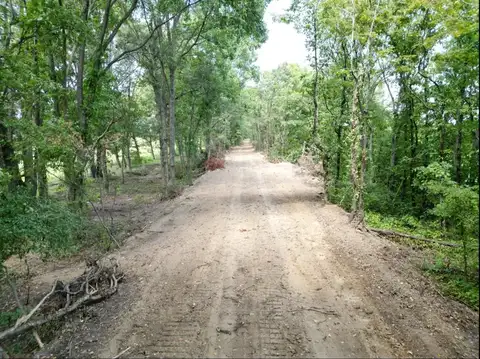
Most hunting tracts in the Delta are either thick woods with no way to see a deer or open fields with nowhere to hide. Shooting lanes and food plots fix both. Lanes open sight lines from a stand. Plots give deer a reason to be there. The work is mostly clearing and dirt work, but the planning is what makes it pay off. Here is how to lay them out, using MDWFP and extension guidance.
Plan from the stand out
Start with where you will sit, not where the machine can go. Pick stand sites first, then lay lanes out from each stand toward the cover, trails and food that deer are already using. University of Missouri Extension describes a hub-and-spoke layout where food plot strips radiate out and double as shooting lanes. It works well where one stand covers several directions.
Think about safety while you lay it out. Know where every lane points and what is behind it at the far end. Do not run a lane that sends a shot toward a road, a house, a barn or another stand. It is a lot easier to move a lane on paper than after it is cut.
Cutting the lanes
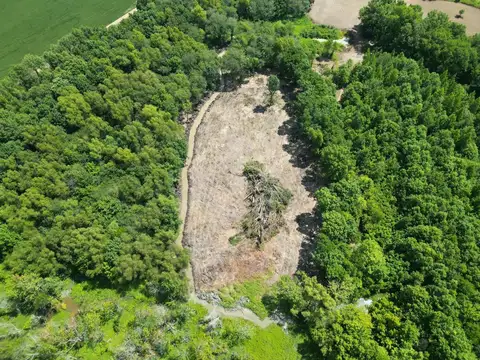
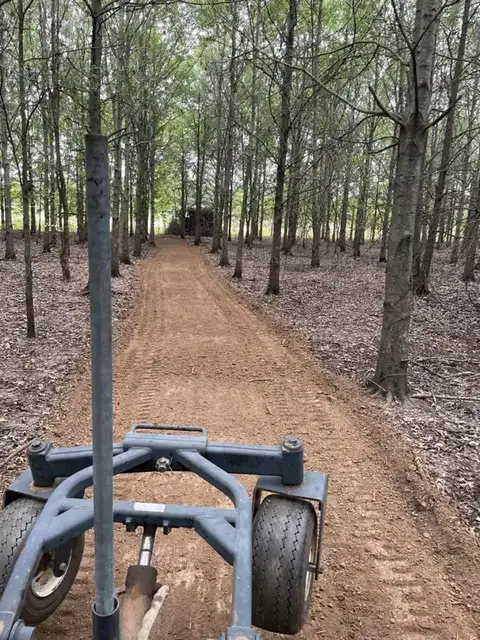
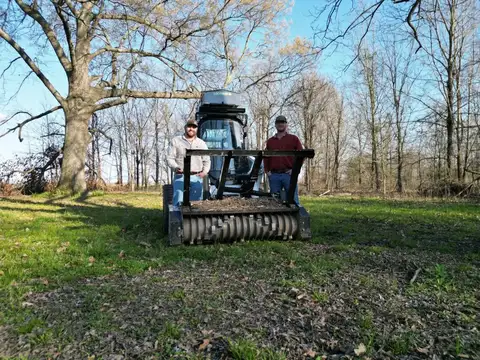
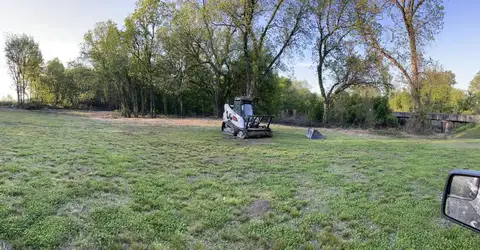
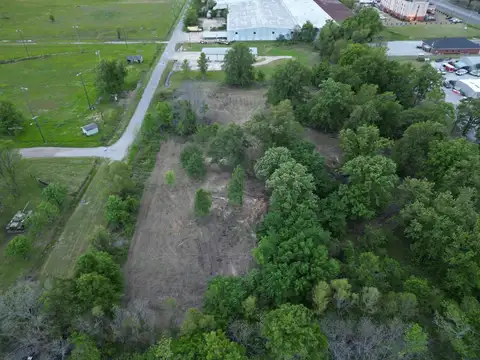
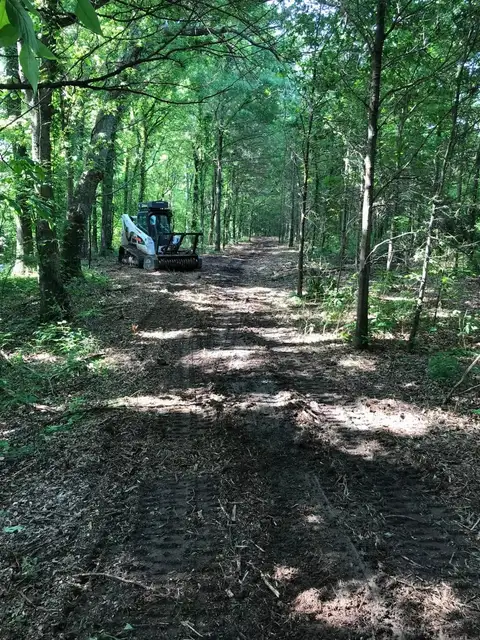
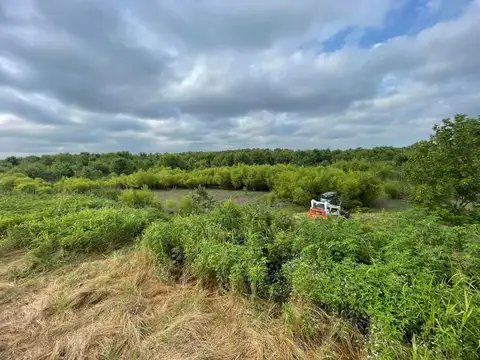
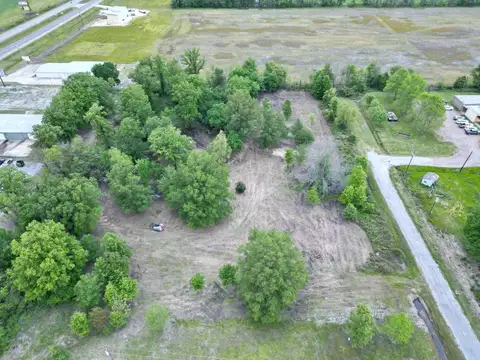
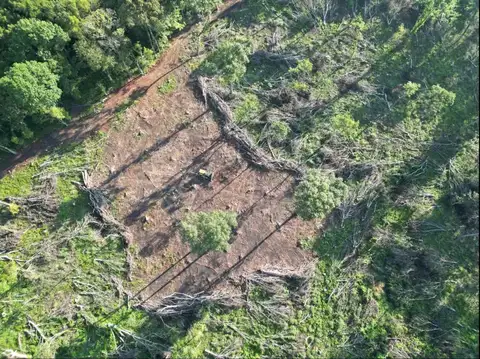
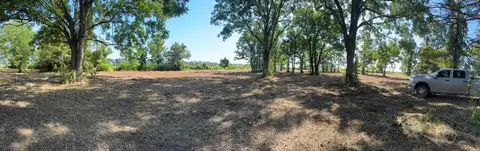
A forestry mulcher on a tracked skid steer is a good tool for most lanes. It grinds brush and small trees in place and leaves the ground covered, without windrows to deal with. Bigger timber in the way may need to be cut or pushed. B&M cuts lanes and trails through the woods, wide enough for a truck and trailer when you want access too.
Expect regrowth. Virginia Tech Extension notes most hardwoods resprout from the roots after cutting unless the root system is killed, and that labeled herbicides applied soon after cutting are the most effective control. University of California guidance agrees that mulching kills only the top growth. Plan to mow lanes or spray sprouts, or the lane closes back in within a couple of seasons.
Size, shape and spacing for food plots
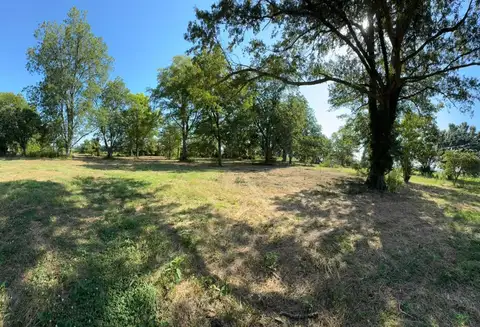
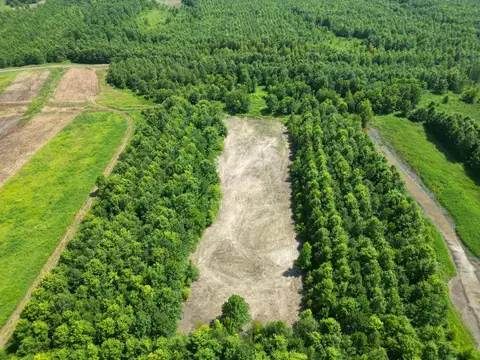
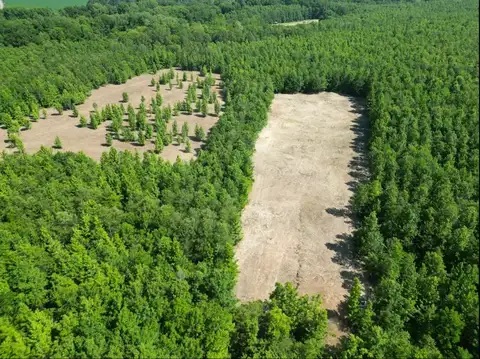
MDWFP recommends cool-season plots be at least one acre, irregularly shaped, and at least a quarter mile apart, with 3 to 5 percent of an ownership in supplemental plantings. MSU Extension says plots generally should not be less than one acre so they get enough sunlight to produce forage. University of Missouri notes small plots produce less because of browsing pressure and shade.
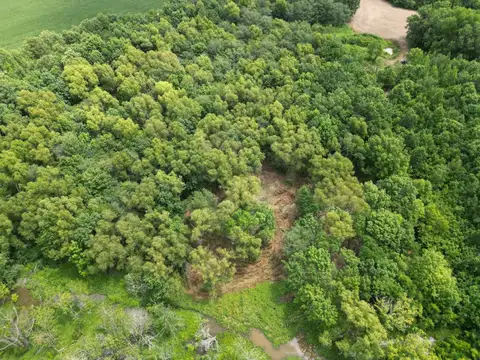
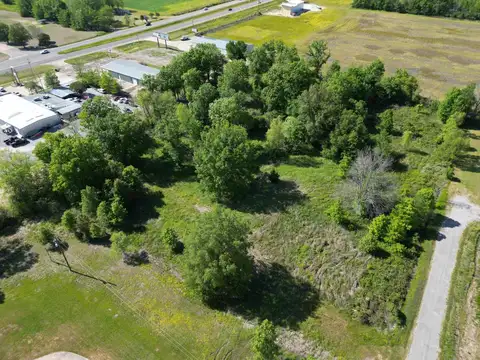
Shape matters for hunting. University of Florida Extension suggests long, narrow plots to get more edge, since deer are an edge species, and notes deer are unlikely to use plots far from escape cover. Missouri's guide suggests placing plots along woodland edges 30 to 50 feet off the tree line to cut down on shade.
Where to put a plot
MDWFP says supplemental forage next to public roads is not recommended. MSU Extension adds that plots should be away from roads and waterways because of poaching risk, on fertile, well-drained soil with cover nearby or scattered through the plot. Keeping plots out of sight of the road also keeps them out of mind for trespassers.
Well-drained matters a lot on Delta clay. The USDA describes Sharkey soils as poorly to very poorly drained. A plot in a low spot can stand in water all winter and drown the stand you planted. If the best location for hunting is also the wettest, a little grading for drainage before planting can save the whole plot.
Test the soil and lime it
MDWFP recommends pulling soil samples several months before planting, ideally planning in late spring or early summer for fall plots. MSU Extension offers soil sampling and gives site-specific lime and fertilizer recommendations. List the crops you plan to plant when you submit samples. The results tell you how much lime and fertilizer to buy, so you are not guessing.
MDWFP's target pH for plots is 7.0, and it says not to be surprised by a recommendation of 3 tons of lime per acre on untested ground. Without a soil test, its rule of thumb is 2 tons per acre every third year. Lime takes time to work, which is one more reason to test early.
Getting the seedbed ready
For cool-season plots, MDWFP says seedbed preparation should start with thorough disking in September, followed by harrowing for a uniform surface. Seed should go no deeper than half an inch, and a cultipacker helps with moisture and seed-to-soil contact. Its suggested southern cool-season mix is oats, wheat, crimson clover and arrowleaf clover.
If the plot was mulched, deal with the chip layer first. University of California guidance notes understory diversity drops when mulch is deeper than 4 inches. A heavy mat makes it hard to get the shallow seed-to-soil contact MDWFP describes. For warm-season plots, MDWFP lists soybeans for April and May and cowpeas for April through June, and suggests small wire exclosures to measure browse.
Feeding rules and CWD
Mississippi's supplemental feeding rules have changed recently. News coverage of the 2026 rule change reports that hunters can now broadcast feed evenly on the ground on private land as long as it is not piled, that the 100-yard distance from a property line still applies, and that baiting remains illegal on public land.
In Chronic Wasting Disease management zones, all supplemental feeding, including feeders and mineral licks, is banned. Those zones include areas around Warren, Claiborne and Issaquena counties and parts of north Mississippi. Rules change often, so check MDWFP's current regulations for your county before the season. A violation is a Class 2 violation, with fines and court costs that vary by county.
Getting it done
The dirt and clearing work is best done well before the season. Clearing in summer gives time to test soil, lime and disk in September for fall plots. Lanes cut early give deer time to get used to them. B&M cuts lanes and trails, clears plot ground and does select clearing that keeps the good trees standing. Call or text 662-719-7737 and we will talk through your stands, lanes and plots and give you a free estimate.
Need this done? B&M Land Management gives free estimates from Ruleville. Call or text 662-719-7737.
Free estimate