How site grading is done
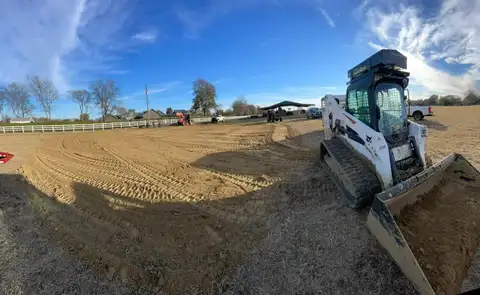
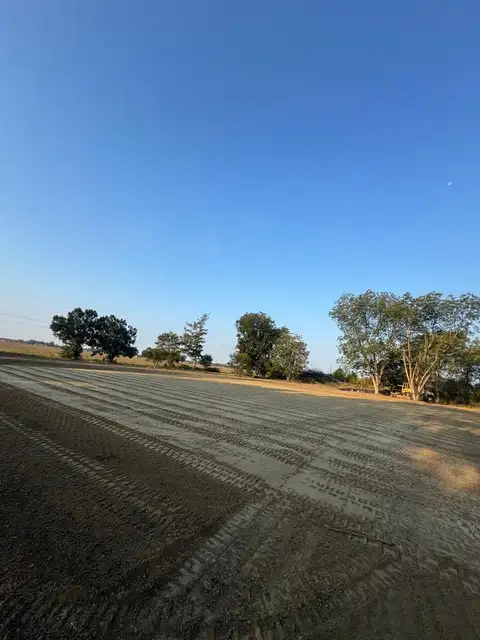
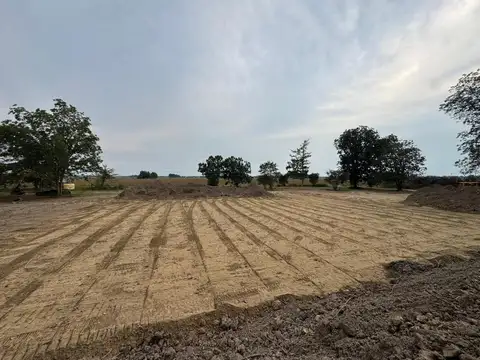
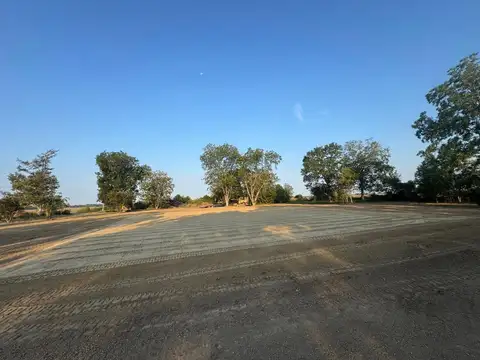
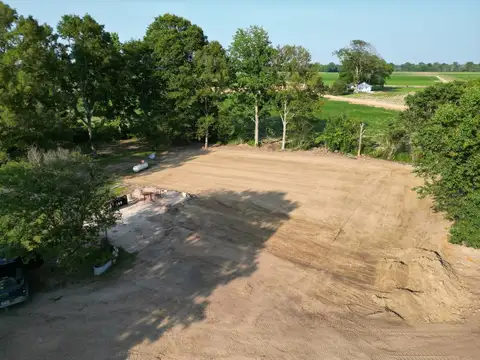
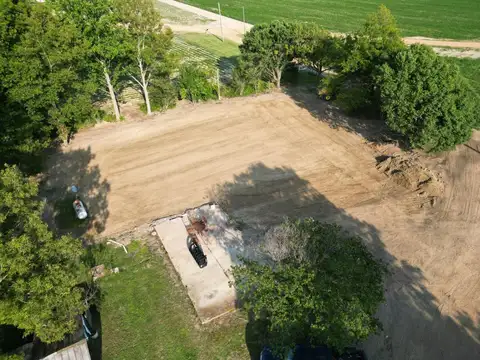
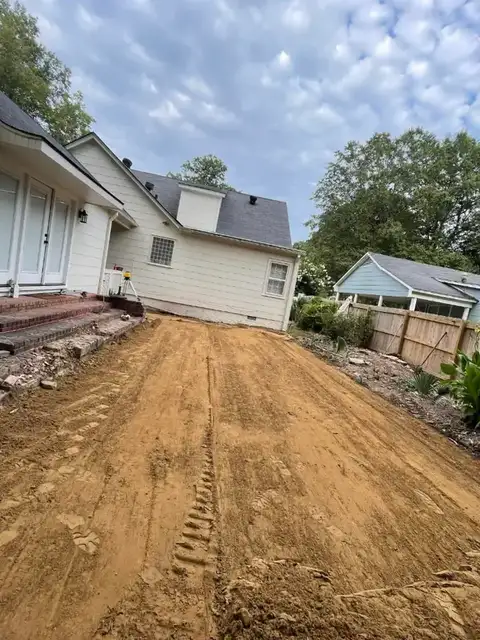
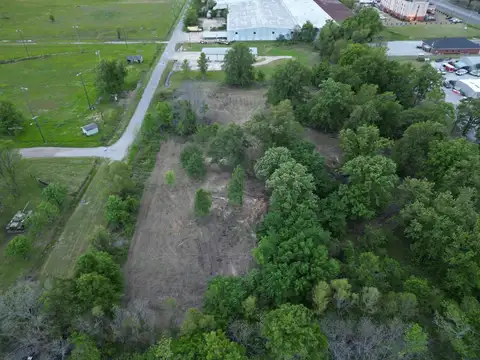
The track loader does most of this work. We cut down the high spots and push that dirt into the low ones, then work the surface back and forth until it is flat and even. When there is not enough dirt on site to bring it up, fill comes in on the dump truck. The edges get shaped so the site sheds water.
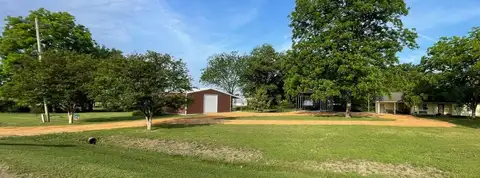
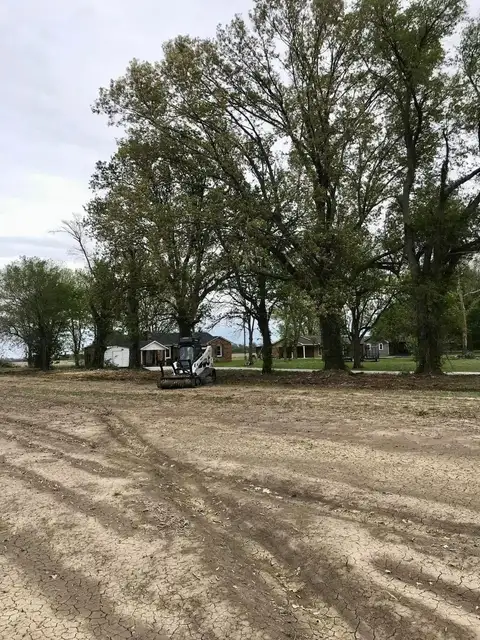
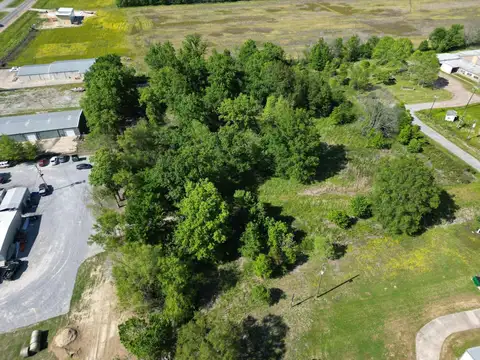
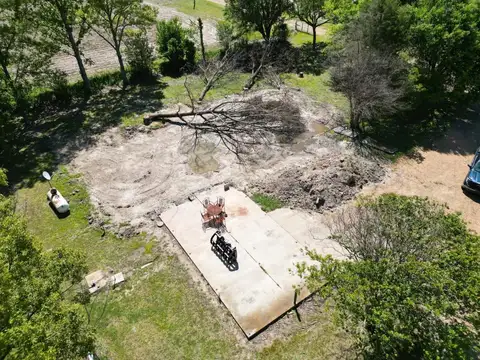
Tracks matter here. A track loader spreads its weight and keeps pushing on soft ground better than a wheeled machine. Our job photos show a fresh pad beside the barns with the tracked skid steer next to it.
Arena base and drainage
A good arena is built in layers: the existing ground, a firm compacted base, and the footing on top that horses actually work in. University of Kentucky guidance says the base is usually 6 to 8 inches thick and the footing 2 to 6 inches, depending on use. It suggests a crown of 1 to 2 percent so water runs off.
The crown or slope gets built into the base during the dirt work, not added later. The same guidance notes that clay-heavy soil compacts a lot under use, so the base needs to be right. Delta clay holds water and gets slick. Tell us what the arena is for, and ask your footing supplier what base they want under it.
What affects a grading job
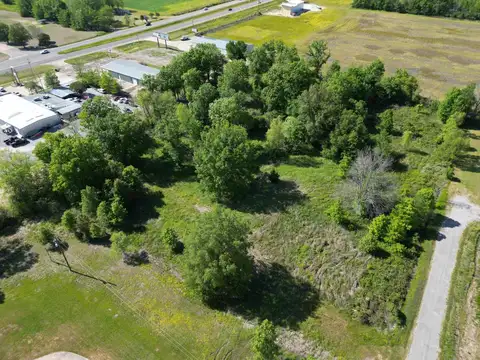
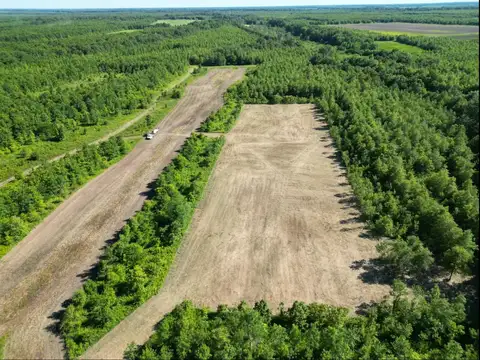
Size is the starting point, then how far off level the ground is now. A site that is close to flat takes less work than one with a ditch running through it. If the site needs fill brought in, the amount and haul distance matter. If it has extra dirt, we need a place to put it.
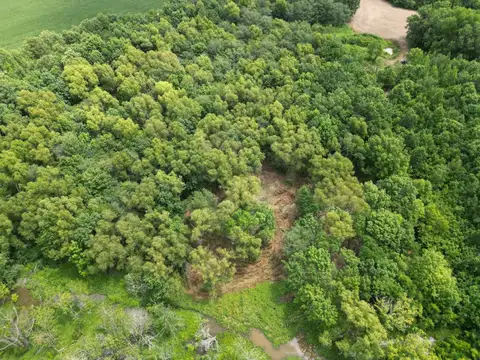
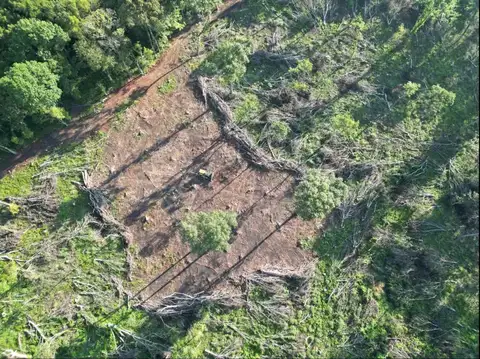
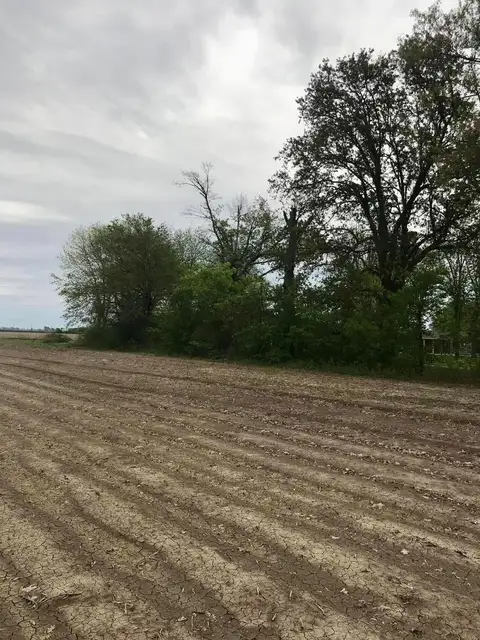
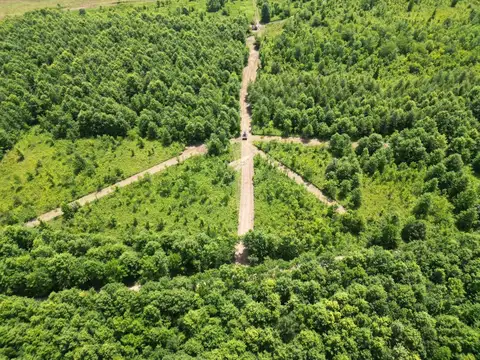
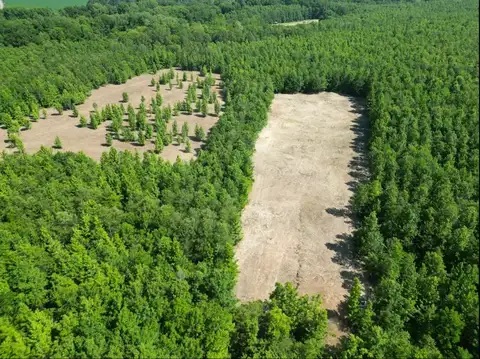
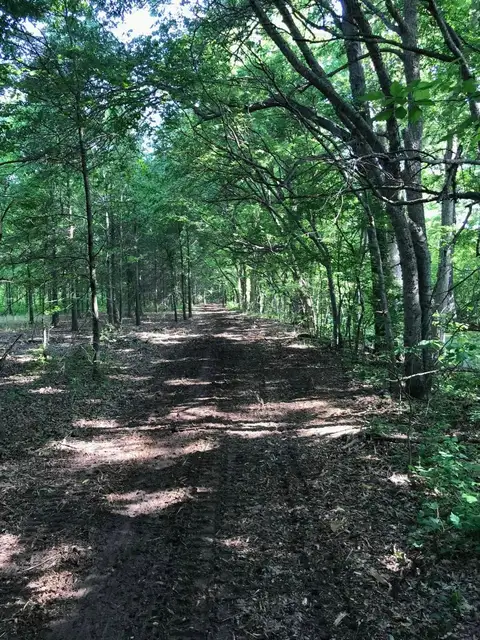
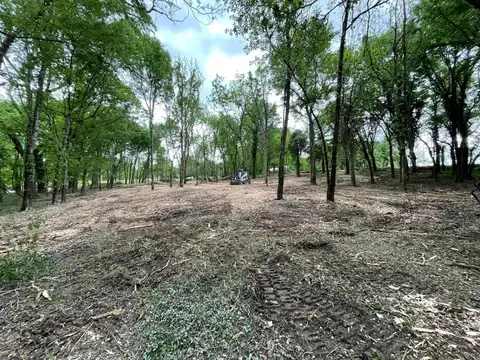
Ground conditions decide timing. Heavy Delta clay is hard to grade when it is wet and can crack and harden when it dries out. Brush and stumps on the site need to come off first. Grading that disturbs an acre or more for construction can fall under an MDEQ stormwater permit, so check that early on bigger sites.
Who it is for
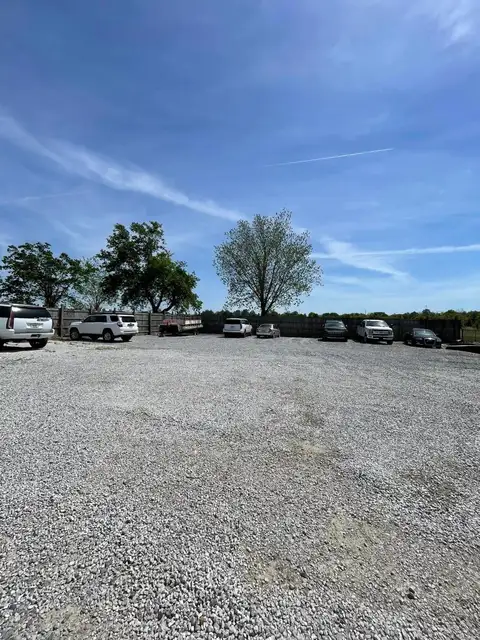
Horse owners putting in a riding arena or a round pen. Folks building a shop, barn or equipment shed who need the site flat first. Farms and businesses that want a level work yard or parking area. Anyone with a rough piece of ground that needs to be flat and dry before the next step.
If you need a pad raised up with fill for a house, see our pads and fill dirt page. If water standing on the site is the real problem, see grading and drainage. If the site becomes a paved parking lot, Straight Line Services, at the same phone number, can lay it out and stripe it.