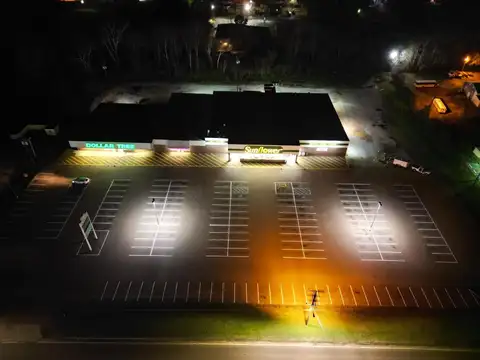
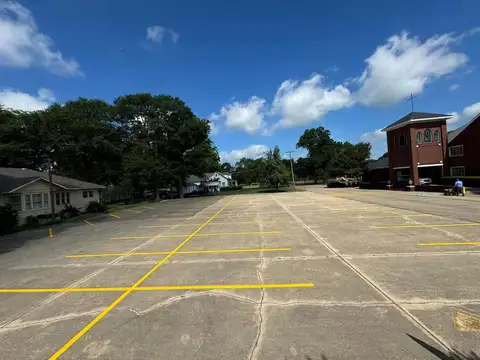
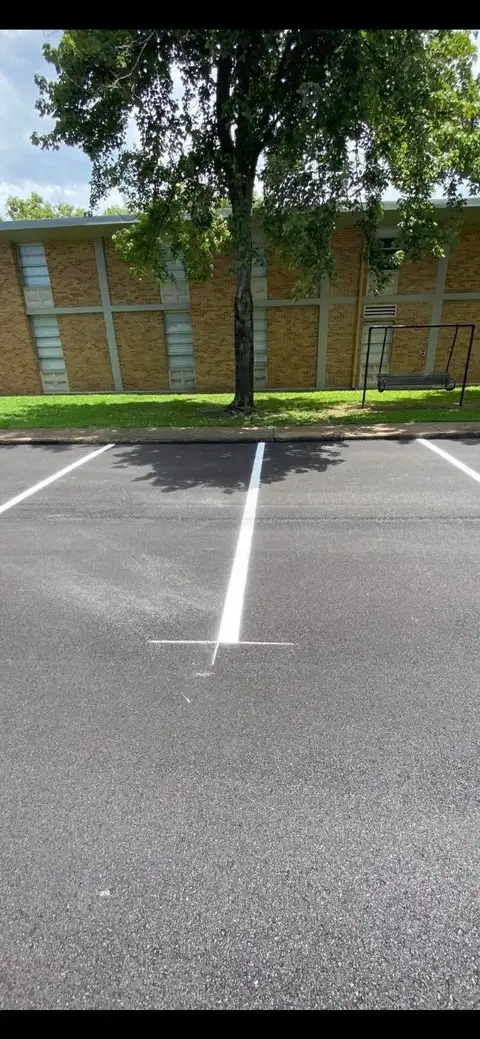
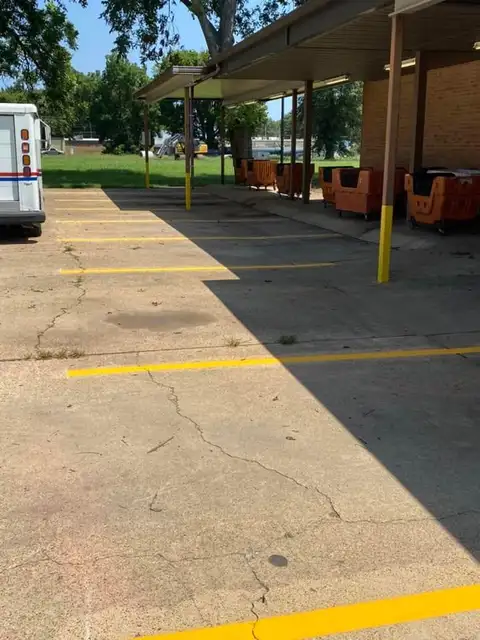
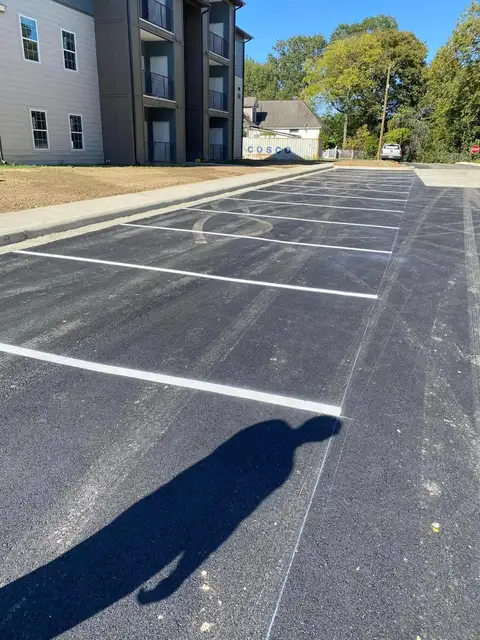
New asphalt, sealed asphalt and restripes
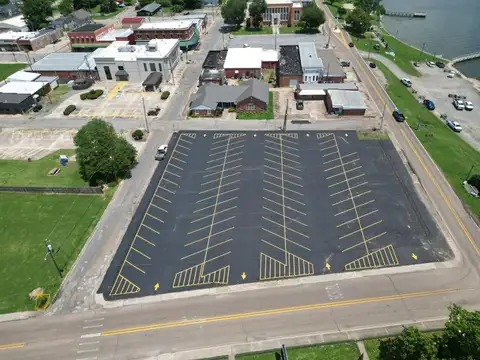
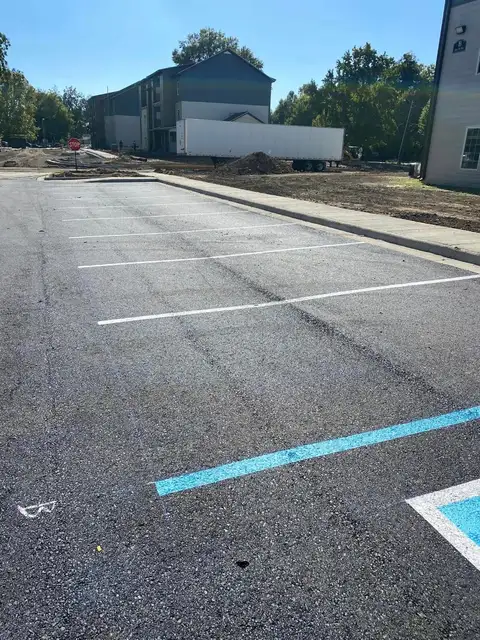
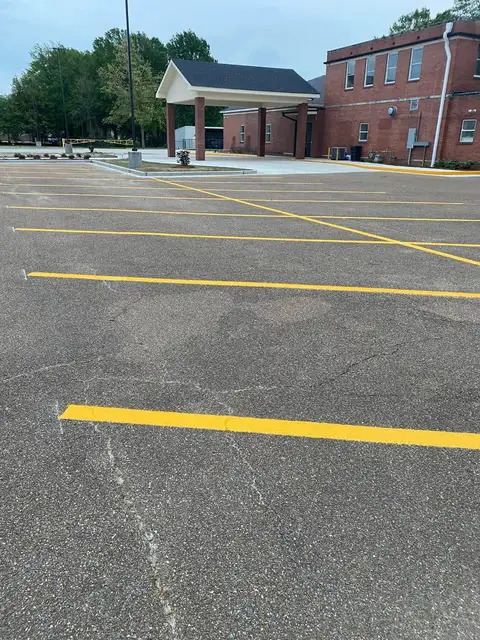
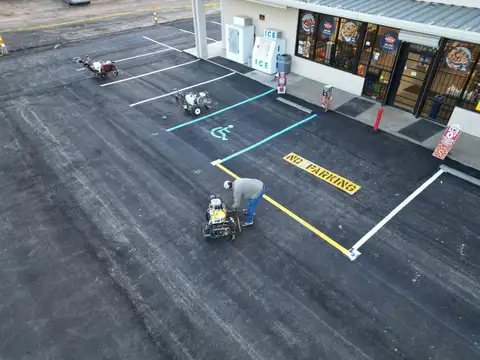
On new asphalt, the surface has to be ready before paint goes on. Your paving contractor can tell you when it is. Striping a brand-new lot is the best time to get the layout right, because there are no old lines to hide. We lay out the stalls, aisles and markings from a plan, snap them, and paint.
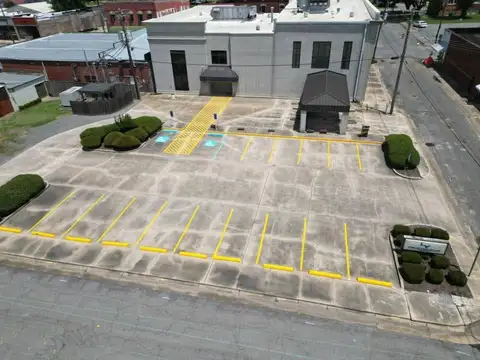
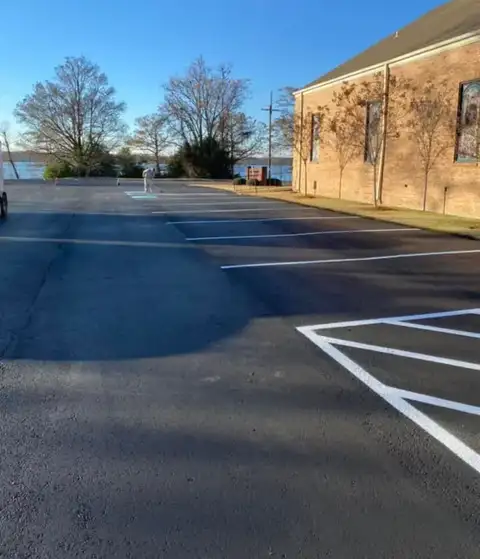
A freshly sealed lot covers the old lines, so the layout has to be measured and marked again before we paint. That is a good chance to fix spacing or add accessible spaces. On an older lot that is only faded, we can follow the existing lines. If the old layout has problems, we will tell you, and you can decide whether to restripe as is or change it.
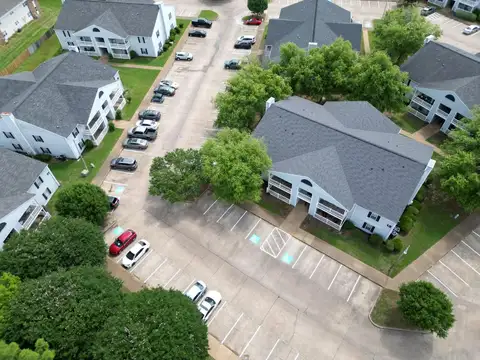
Lots we stripe
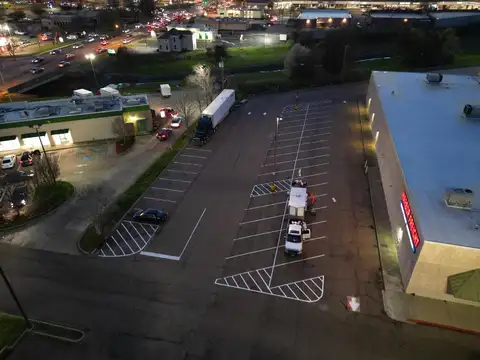
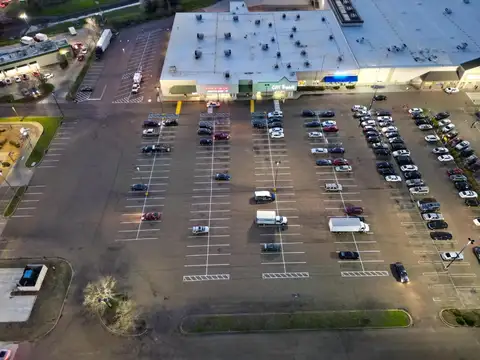
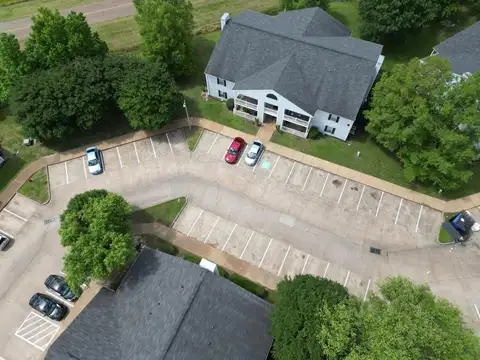
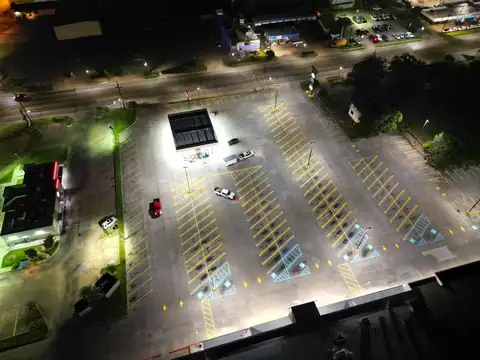
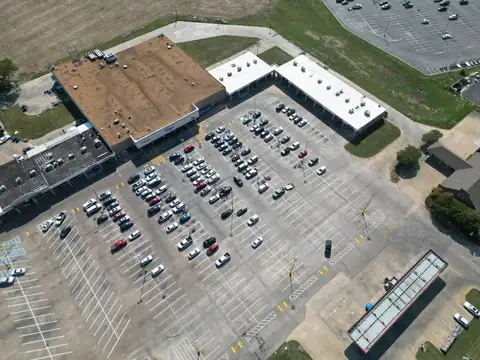
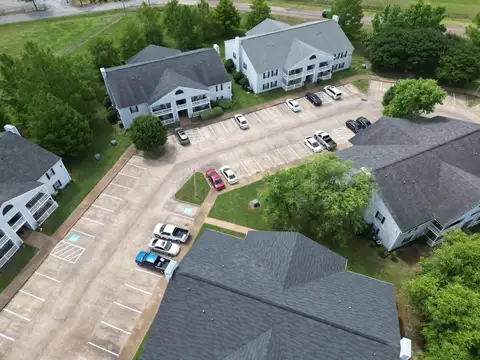
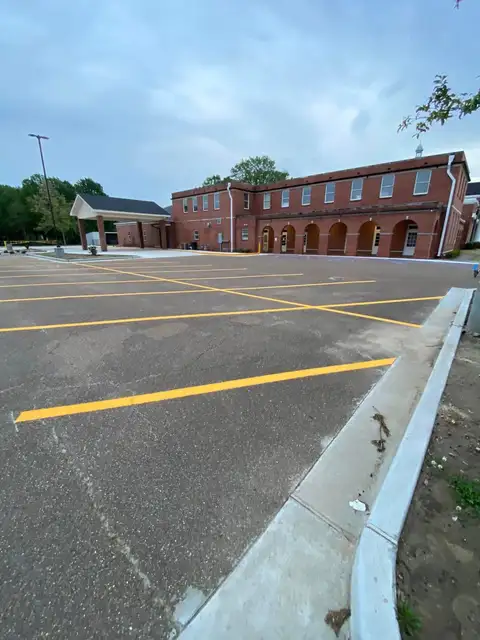
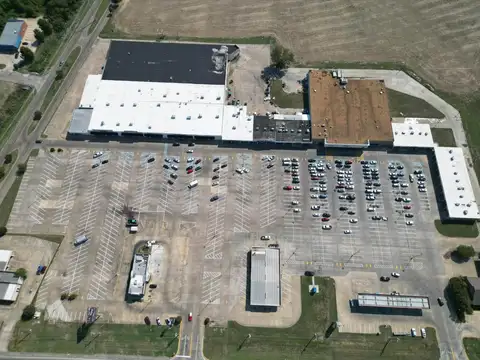
Shopping centers and strip centers need clear drive aisles, arrows and fire lanes in front of the stores. Churches need as many stalls as the lot will hold, plus accessible spaces close to the main doors. Schools need bus lanes, drop-off lines and crosswalks that make sense to parents in a hurry. Apartment complexes need numbered or reserved spaces.
Hospitals and clinics need more accessible spaces than most lots. Under the 2010 ADA Standards, ten percent of patient and visitor spaces serving hospital outpatient facilities must be accessible, and twenty percent at rehabilitation and outpatient physical therapy facilities. Warehouses and distribution centers have truck courts, trailer parking and employee lots that each need their own layout. We stripe all of these.
Colors and what the rules say
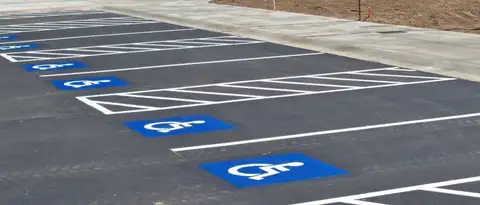
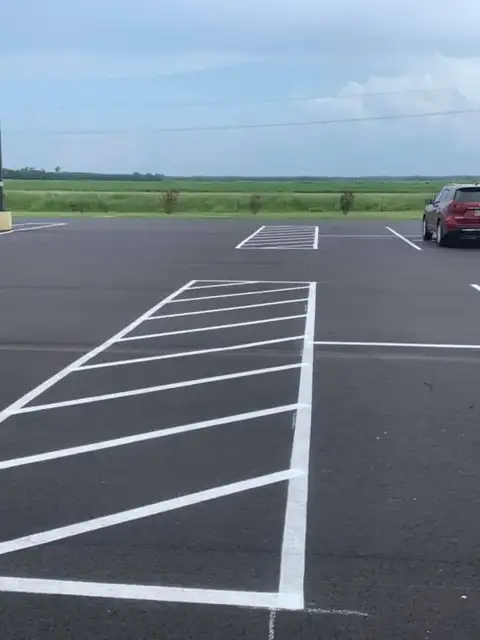
White is the standard color for parking stall lines. On roads open to public travel, the MUTCD says parking space markings shall be white, and it allows blue lines to supplement the white lines on spaces reserved for people with disabilities. Many private lots follow the same practice so drivers see what they expect.
Yellow is common for curbs, hatched areas and safety markings. Red is often used for fire lanes, but the exact color and wording for fire lanes are set by the local fire marshal and the fire code in force. The 2010 ADA Standards require access aisles to be marked so people do not park in them, but they do not set a paint color. We match the plan to what your city and fire marshal expect.
Getting the lot ready
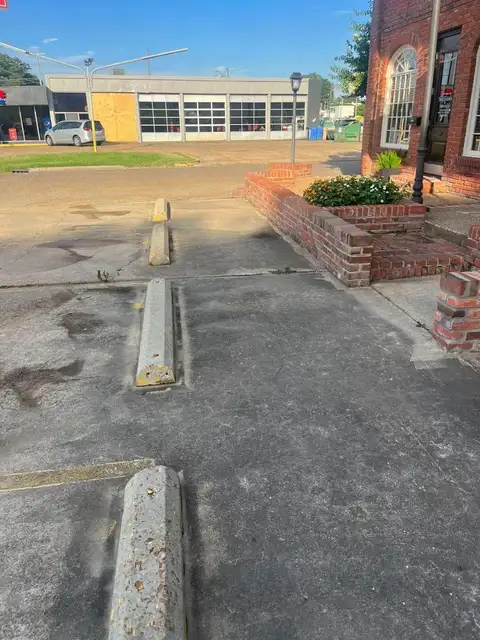
Paint needs a clean, dry surface. Before we come, the lot should be swept or blown off, and cars need to be moved off the areas we are painting. If there are potholes, broken edges or cracks right where a line goes, we can make minor concrete and asphalt repairs first so the line lays down clean and lasts.
If the lot has to stay open, we can plan the work in sections with you. Tell us when the lot is quietest, whether that is a weekday for a church or a Sunday for an office park. Weather matters too. Rain, standing water or a lot that has not dried out after a storm means paint waits. We would rather move a day than put down lines that will not hold.