Mobile lots and warehouse floors
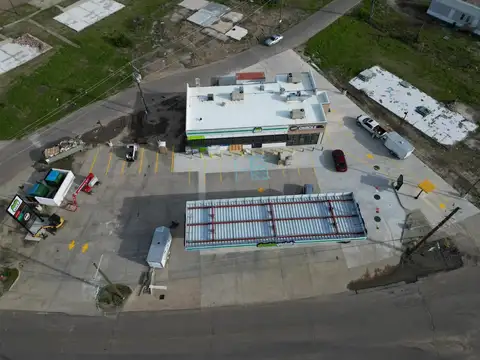
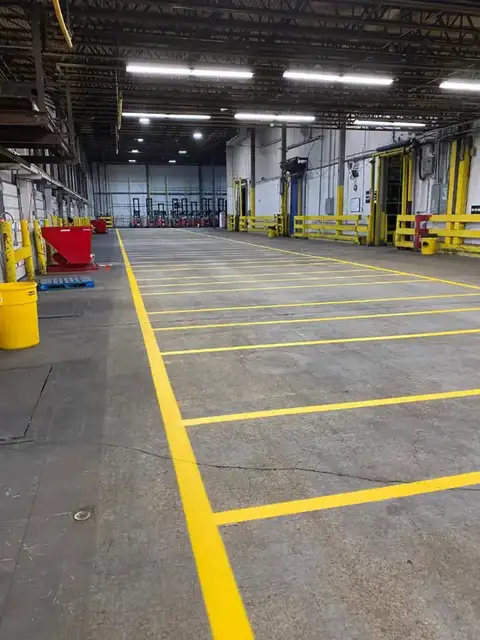
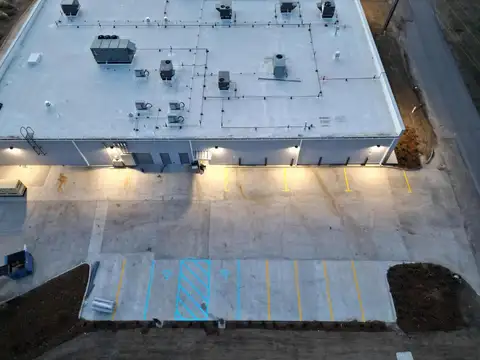
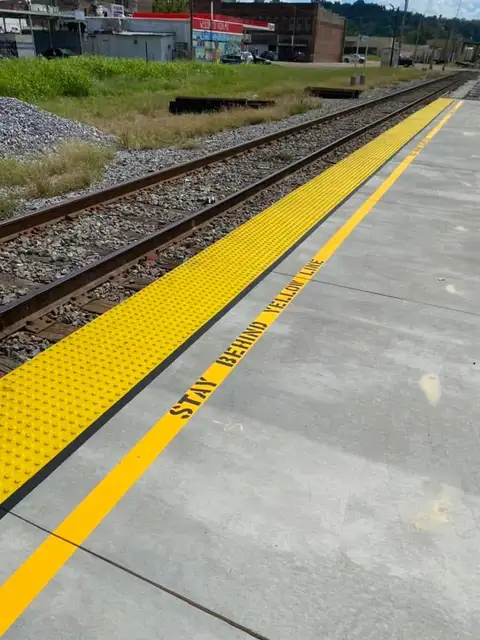
The port and the industry around it are a big part of Mobile. Warehouses, distribution buildings and plants near the waterfront and along the interstates have truck lanes, dock areas and employee lots to keep sorted, and concrete floors that need lane and bay lines and yellow safety lines. The Brookley Aeroplex, home to the Airbus final assembly line, adds more industrial and employee parking.
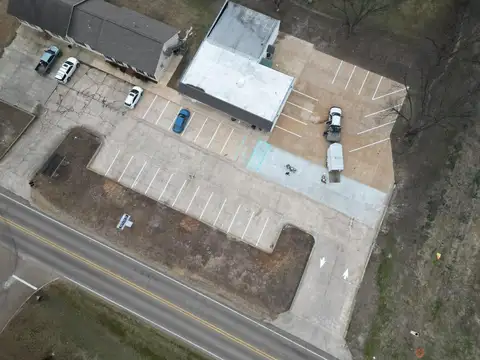
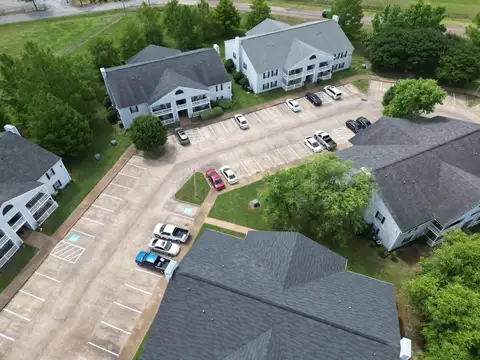
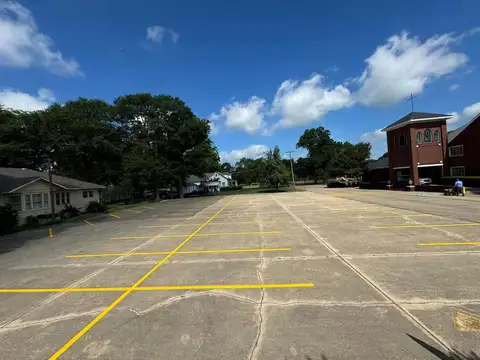
On the medical and education side, the University of South Alabama and USA Health, Mobile Infirmary and other hospitals have busy lots with a lot of accessible parking. Add the shopping areas in west Mobile, churches all over the city, schools and apartment complexes, and there is a wide mix. Some lots just need fresh paint. Others need a new layout.
Gulf Coast rain and heat
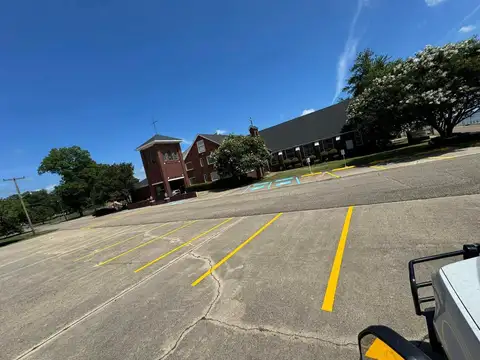
Mobile is one of the rainiest cities in the country, and it is hot and humid much of the year. Rain is the biggest challenge for striping here. Water sits on flat lots and carries sand and grit that wear lines down, and the sun fades whatever is left. Entrances, drive lanes and truck turns go first.
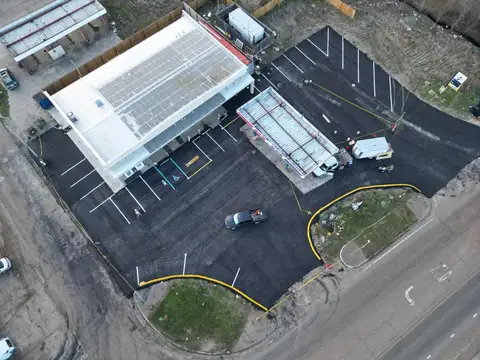
We watch the forecast closely and stripe only on dry pavement with enough time for the paint to set. If weather moves in, we wait rather than paint on a wet lot. On sealed lots we stripe after the sealer is ready. If there are potholes or broken edges along the lines, we can do minor asphalt and concrete repair first.
Alabama fire code and ADA in Mobile
The Alabama State Fire Marshal has adopted the 2021 International Fire Code, including Appendix D on fire apparatus access roads. Under the IFC, fire apparatus access roads generally need at least 20 feet of clear width and can require NO PARKING FIRE LANE signs or markings. The City of Mobile also adopts codes locally, so check with Mobile Fire-Rescue on what your site needs.
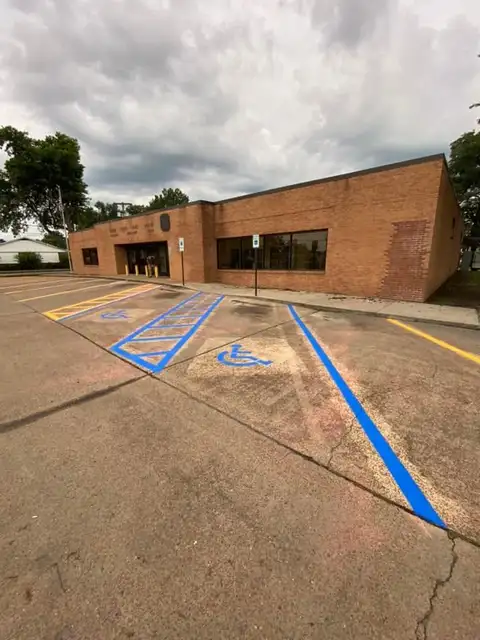
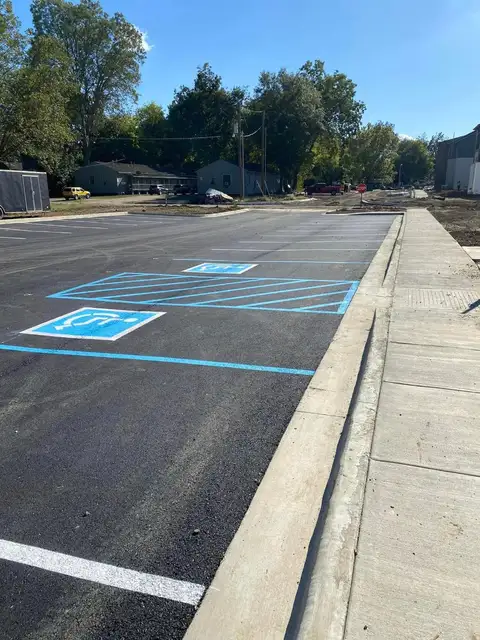
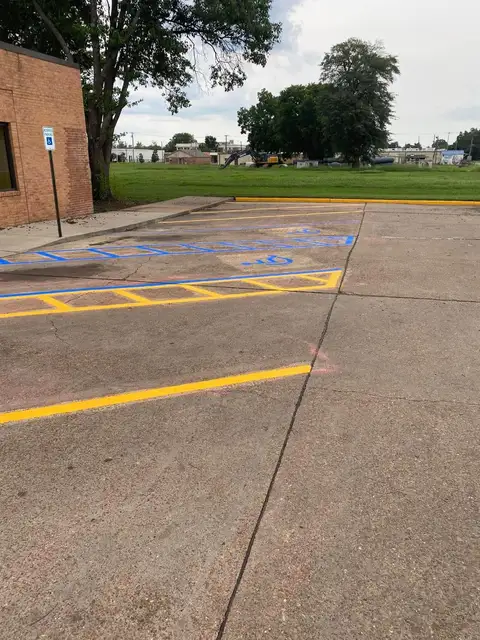
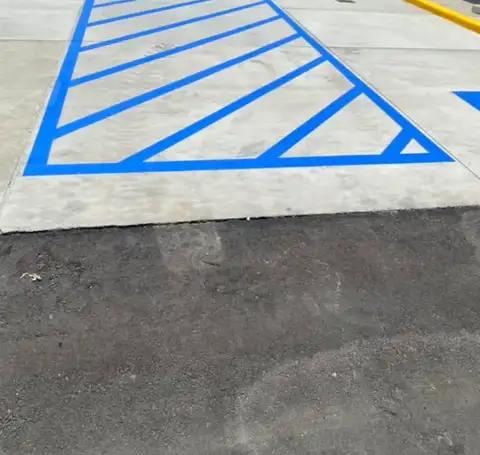
Accessible parking follows the 2010 ADA Standards. Each accessible stall needs a marked access aisle at least 60 inches wide, and at least one in six accessible stalls must be van accessible with a wider stall or aisle. Signs go at least 60 inches high to the bottom edge. We lay out the stalls, paint the symbol and stripe the aisle.