What the International Fire Code says
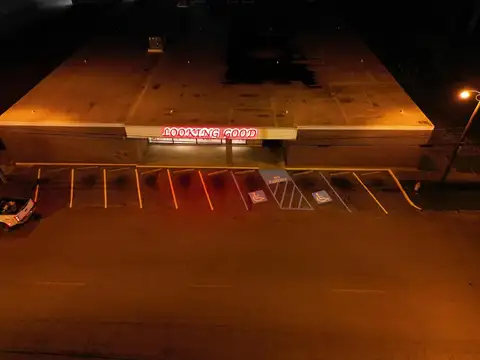
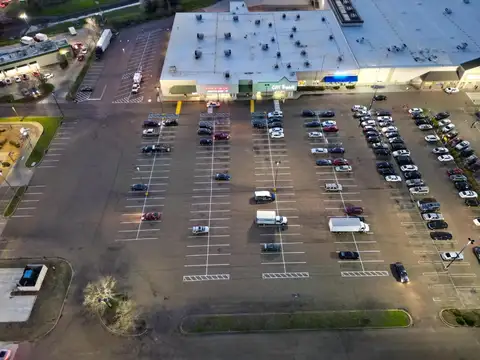
Mississippi, Tennessee, Arkansas and Alabama build their state fire rules on the International Fire Code. Section 503 covers fire apparatus access roads. They need an unobstructed width of at least 20 feet and vertical clearance of at least 13 feet 6 inches. Where the fire code official requires it, the roads get approved signs or markings that include the words NO PARKING FIRE LANE.
Appendix D, where a state or city adopts it, adds sign details. Signs are at least 12 inches wide by 18 inches high with red letters on a white reflective background. Roads 20 to 26 feet wide are posted on both sides, and roads over 26 up to 32 feet wide on one side. Alabama's state fire marshal rule adopts Appendix D. Elsewhere, check with your local fire marshal.
Curb color and wording vary
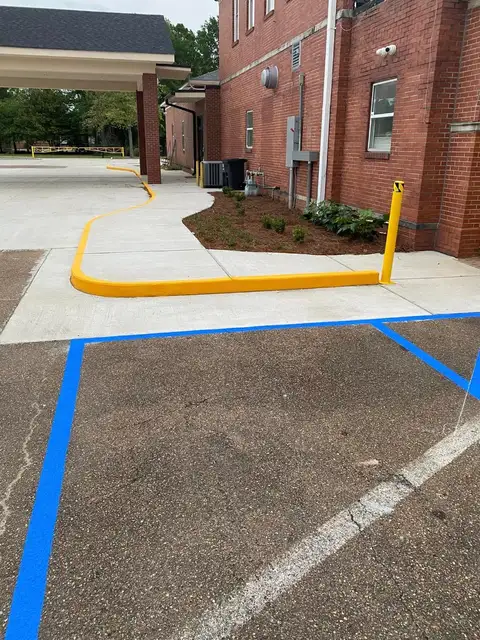
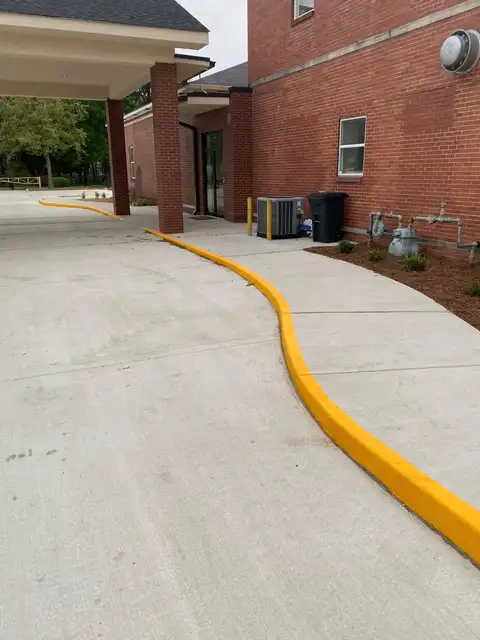
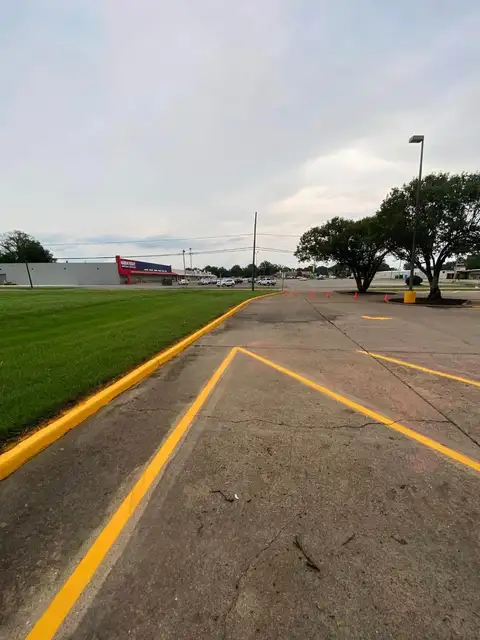
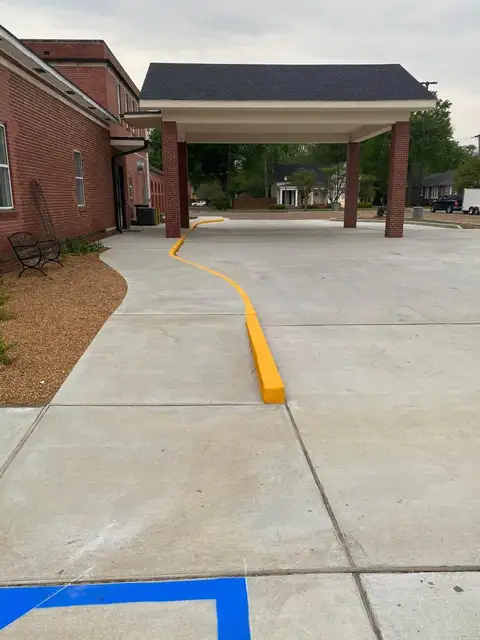
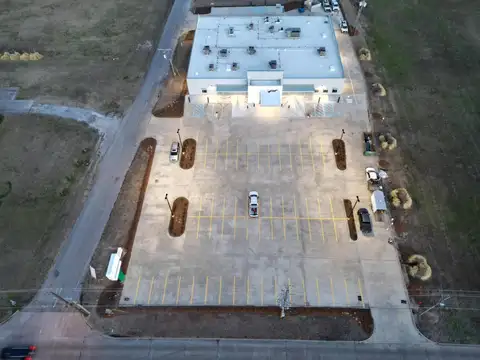
The fire code does not set one paint color for fire lanes. Many fire departments ask for red curbs with white lettering, and some spell out the stripe width, letter height and how often the wording repeats. Others accept yellow, or want signs instead of paint. One city in a state can ask for something different from the next city over.
That is why we ask first. Before we stripe a fire lane, find out what your local fire marshal or fire prevention office requires, or let us know who to call. A fire lane that does not match the local rule may not pass inspection and may not hold up if someone gets towed. Getting it right the first time saves a repaint.
Louisiana is different
Louisiana's State Fire Marshal works from NFPA codes, the NFPA 1 Fire Code and the NFPA 101 Life Safety Code, rather than the International Fire Code. The state also has a specific rule for shopping centers. Fire lanes are required for buildings set back more than 150 feet from a public road, or more than 30 feet tall and set back over 50 feet.
Under that rule, owners and operators of shopping centers and similar places pay for and put up signs saying parking is prohibited in the fire lane by order of the state fire marshal. Parishes and cities can add their own requirements. If your lot is in Louisiana, check with the State Fire Marshal's office or your local fire department before the lane is marked.
Other no-parking zones
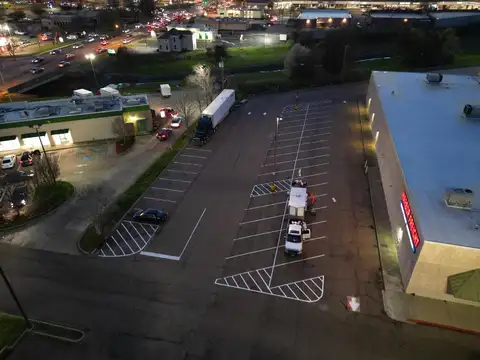
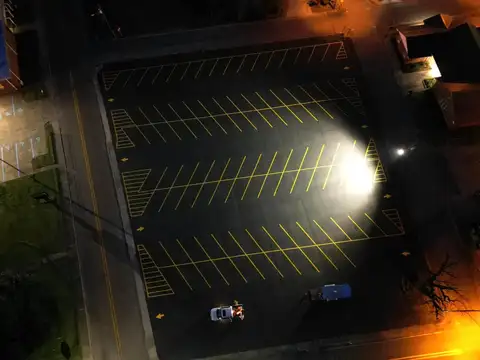
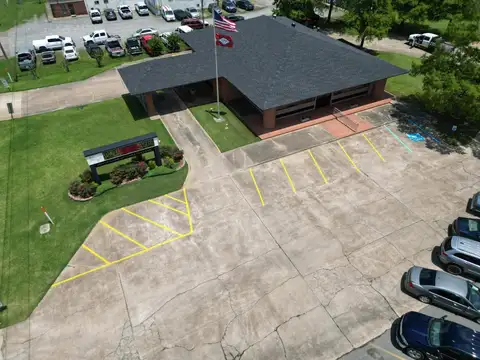
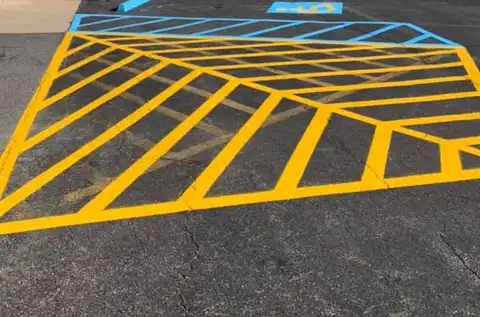
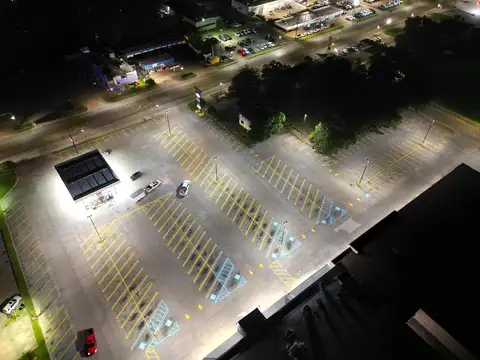
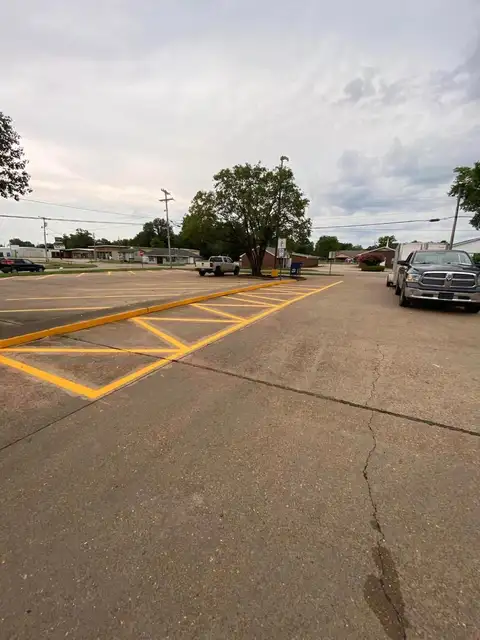
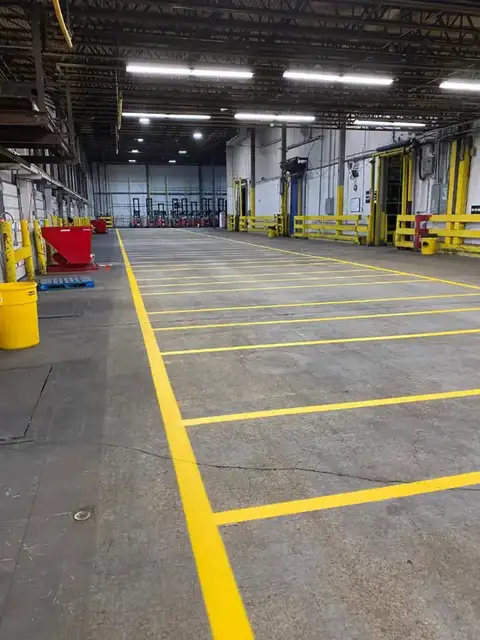
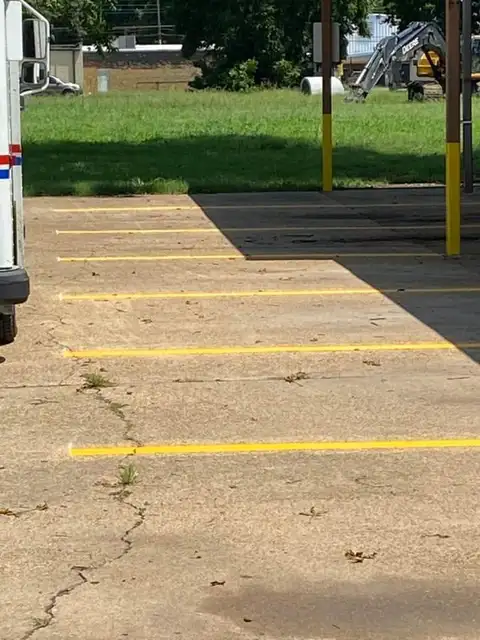
Not every no-parking area is a fire lane. Hatched areas keep cars off the ends of parking rows, in front of doors and around islands where a car would block traffic. Loading zones keep a spot open for trucks. The access aisles next to accessible spaces are no-parking zones too, and the ADA requires them to be marked so people do not park in them.
Hydrants and fire department connections on the building need clear space so a hose can hook up. Many lots paint the curb or hatch the pavement around them. Crosshatch in yellow or white is common for general no-parking areas, while access aisles are often blue. We plan the colors with you so each zone means one thing.