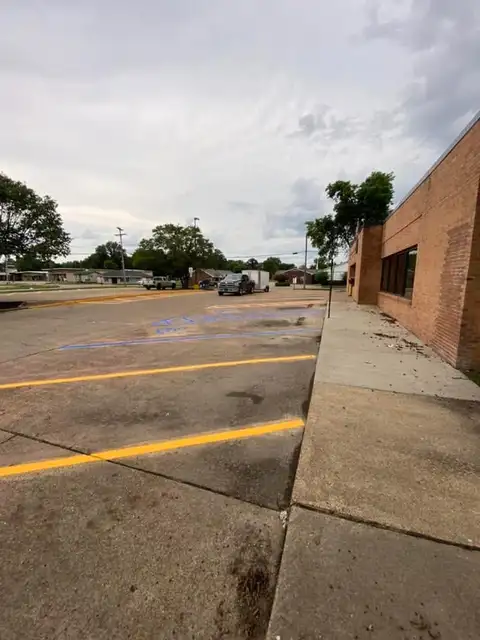
Truck traffic and highway lots
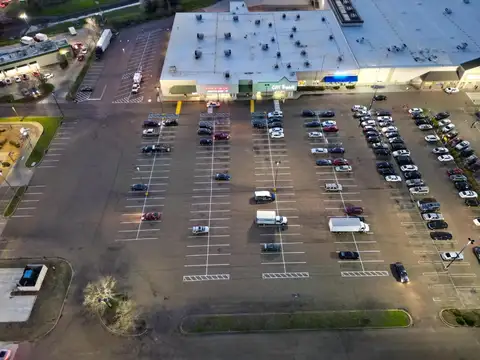
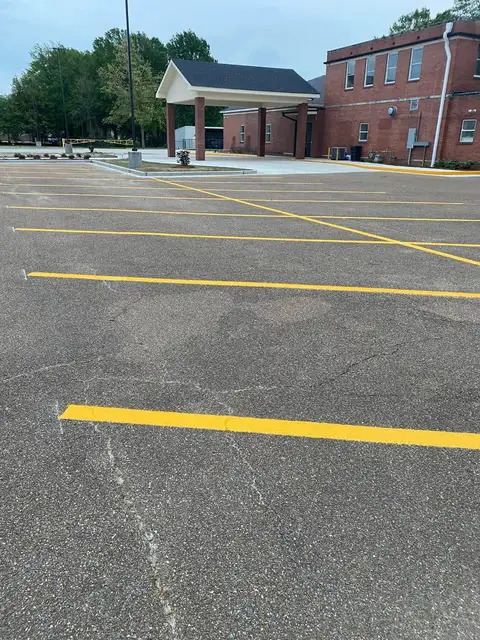
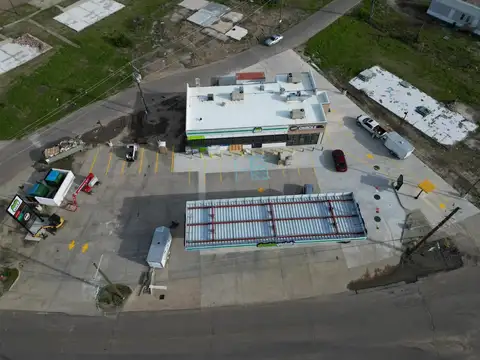
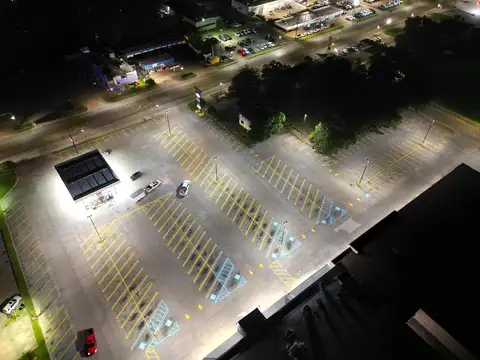
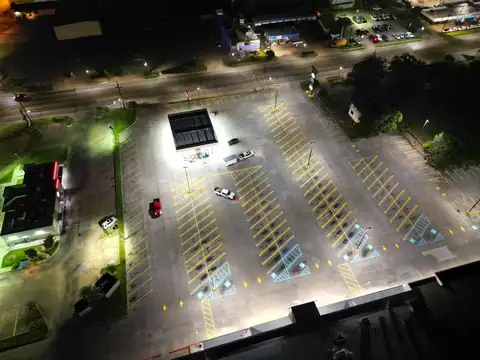
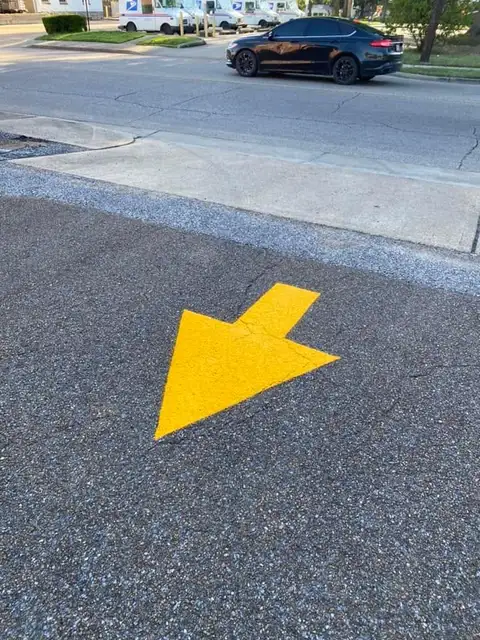
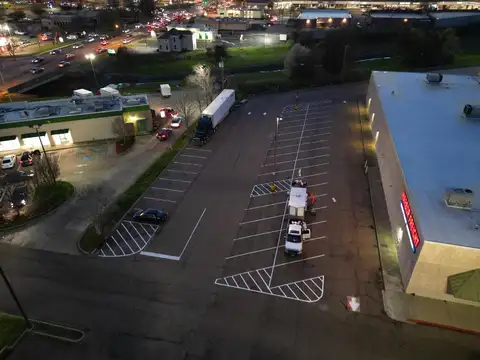
With two major interstates crossing in town, West Memphis has a lot of lots built for big trucks. Truck stops, fuel stations, freight terminals and warehouses need wide lanes, clear parking rows for trailers, and arrows that tell drivers where to go. When those lines fade, drivers make their own paths, and that is when trucks and cars end up in each other's way. A clear layout with stop bars and crosshatched no-parking areas helps keep the lot sorted.
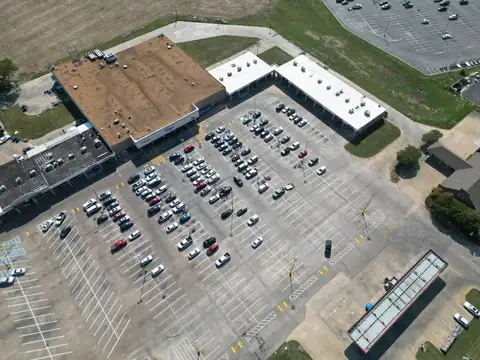
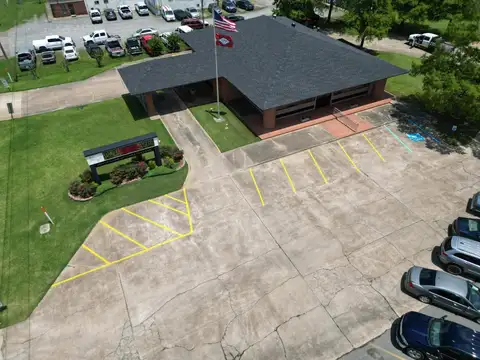
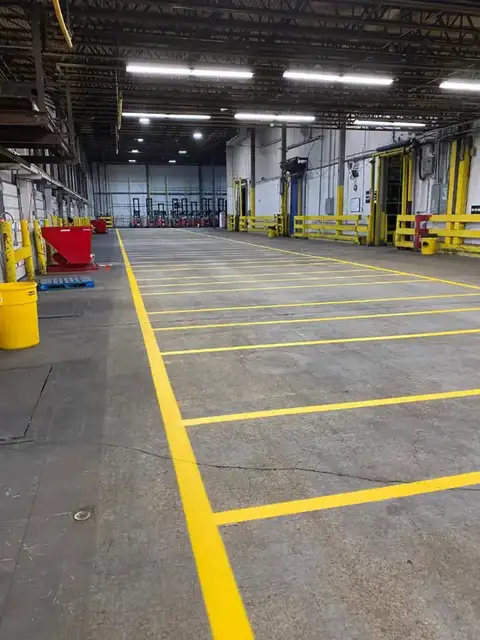
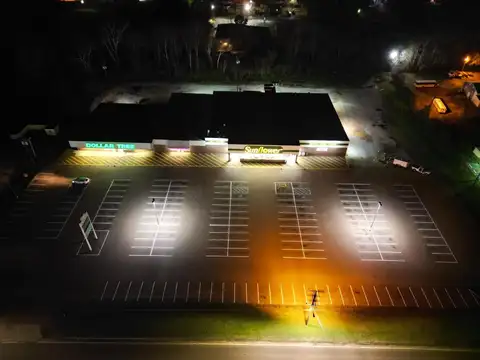
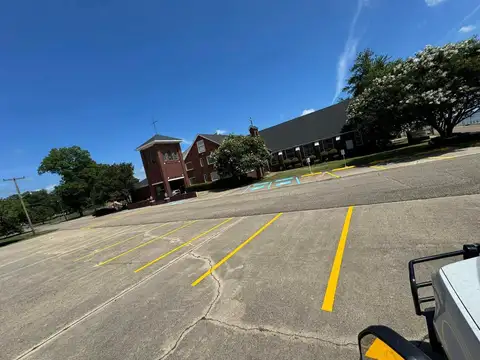
Inside the warehouses, lane and bay lines on the concrete keep forklifts and people apart, and yellow safety lines along docks and walkways mark where to walk. Away from the highway, West Memphis has the usual mix: strip centers, restaurants, hotels, churches, schools and the ASU Mid-South campus. Those lots need stalls, accessible parking and fire lanes kept sharp.
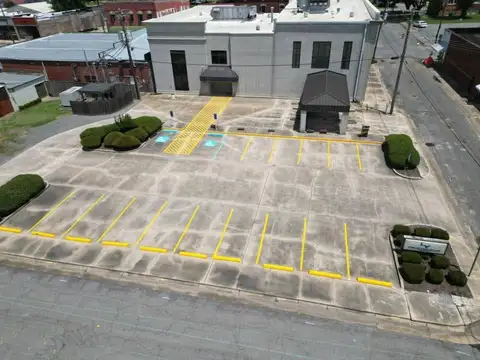
Heavy loads, heat and Delta rain
West Memphis is flat Delta ground, with hot summers and a lot of rain. Heavy trucks are hard on paint and pavement. Turning tires scrub lines off at entrances and around fuel islands, and loaded trailers push and rut the asphalt in hot weather. Rainwater that sits on flat lots carries grit that wears the paint even faster.
We plan around dry weather so paint goes on clean, dry pavement and has time to set. On busy truck lots we can work with you on timing so you can keep running. If there are potholes, broken edges or failing concrete where lines need to go, we can do minor asphalt and concrete repair first so the new paint has something solid under it.
Arkansas fire code and ADA in West Memphis
West Memphis is on the Arkansas side, so the Arkansas Fire Prevention Code applies, not the Memphis code across the river. The Arkansas code is based on the 2021 International Fire Code and administered by the Arkansas State Fire Marshal, effective January 1, 2023. Under the IFC, fire apparatus access roads generally need 20 feet of clear width and can require NO PARKING FIRE LANE markings. Check with the West Memphis Fire Department on your site.
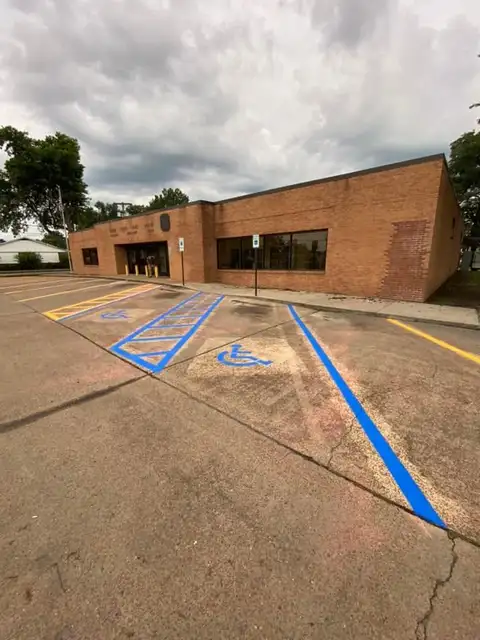
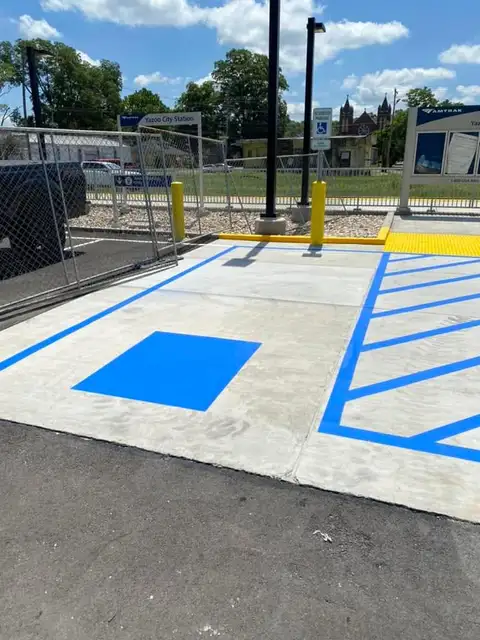
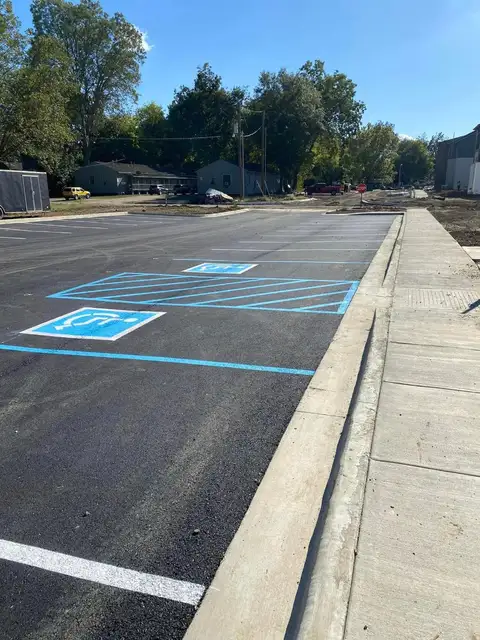
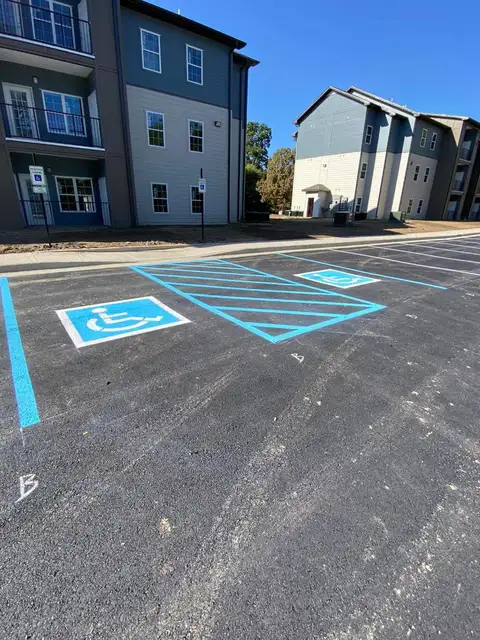
Accessible parking follows the 2010 ADA Standards wherever you are. Each accessible stall needs a marked access aisle at least 60 inches wide, and at least one in six must be van accessible. Signs go at least 60 inches high to the bottom. We lay out the stalls, paint the symbol and stripe the aisle so drivers do not park in it.