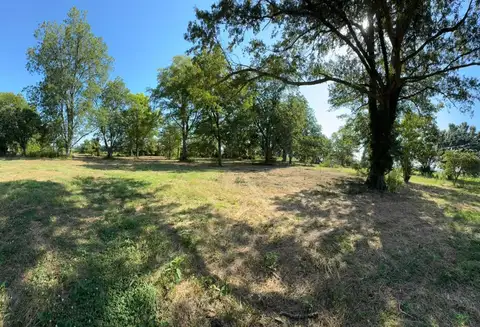
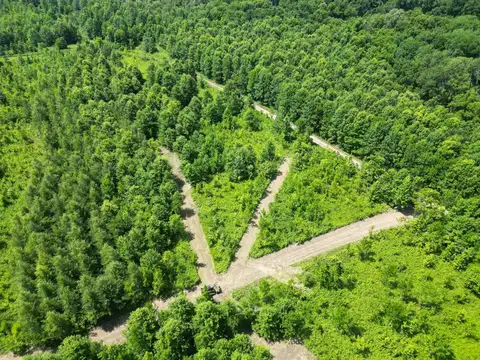
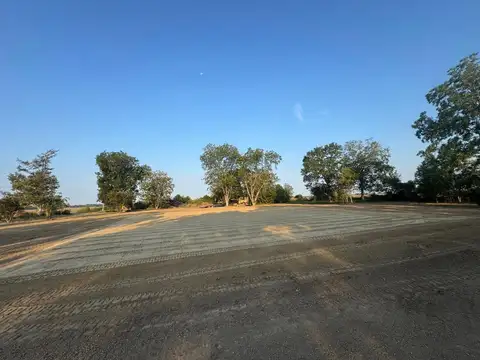
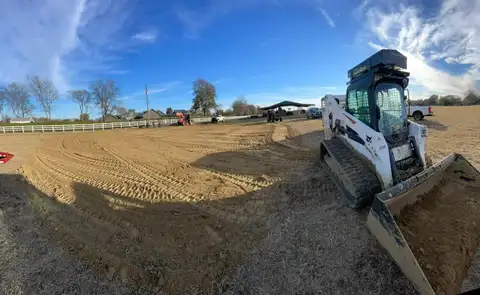
What the machines are
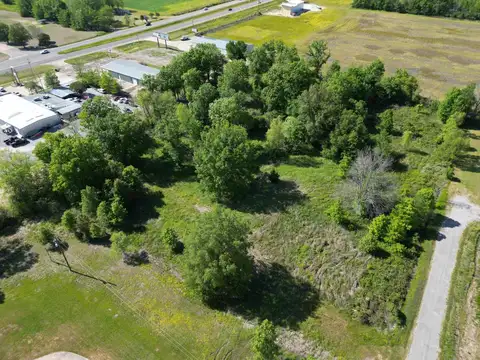
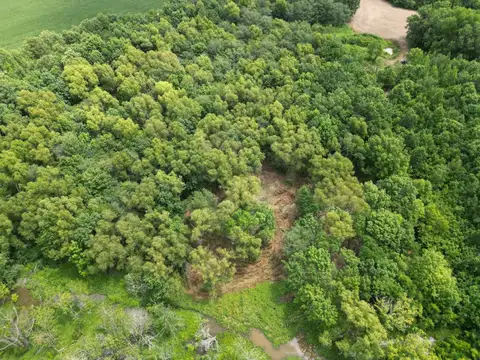
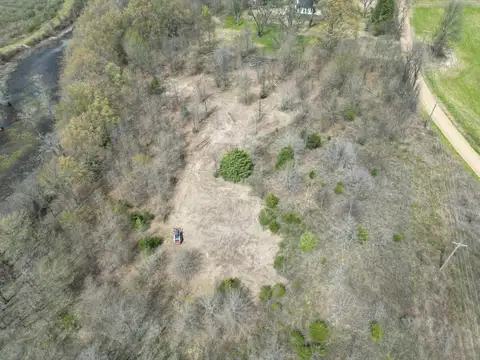
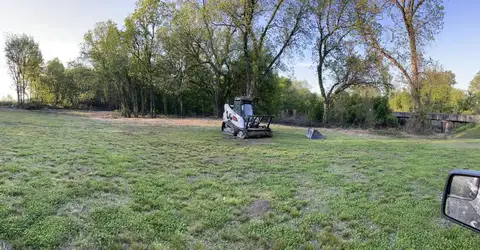
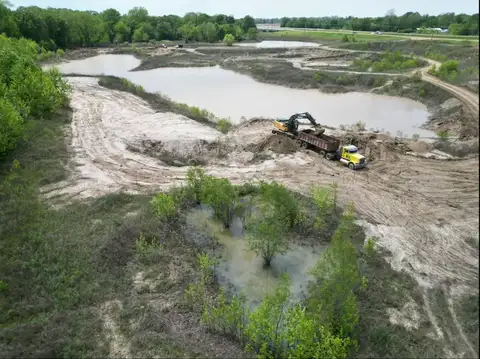
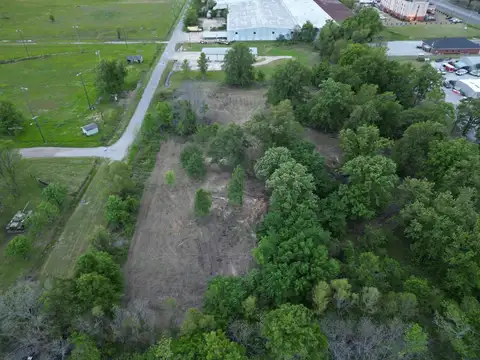
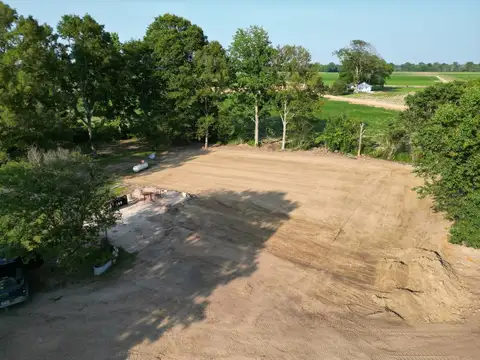
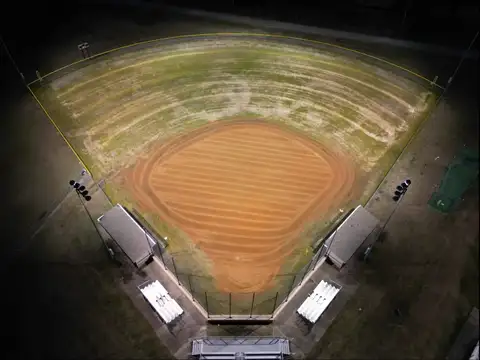
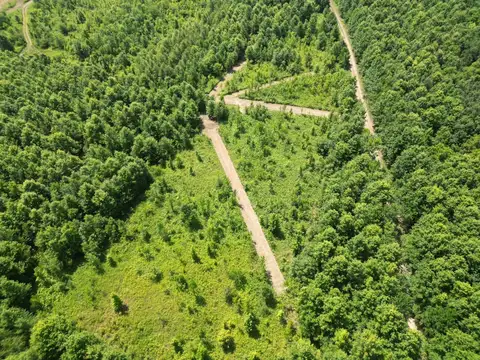
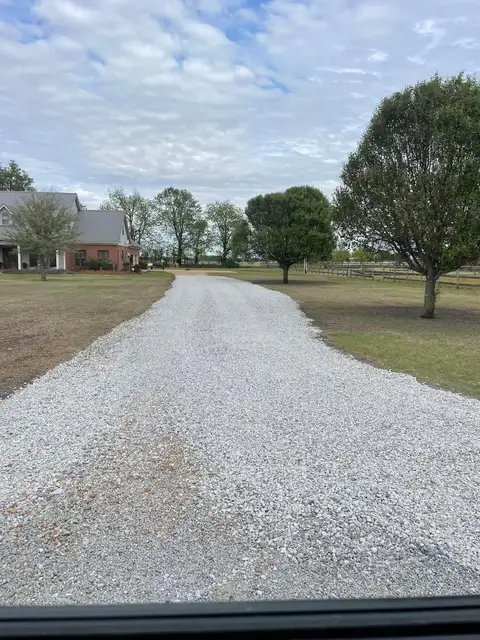
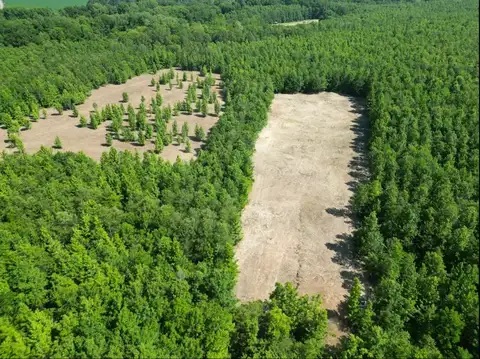
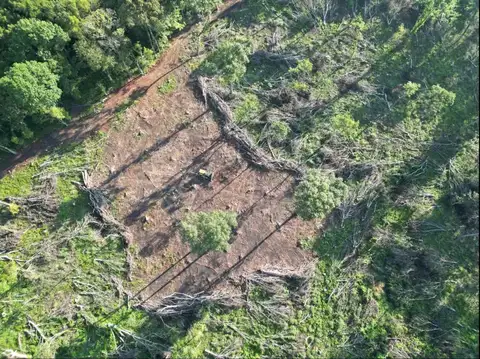
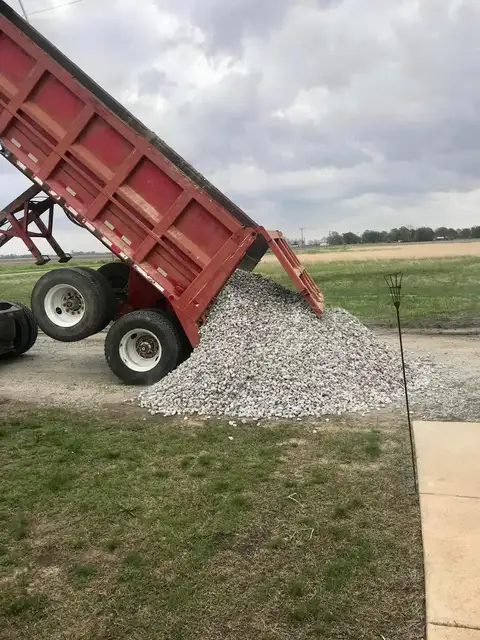
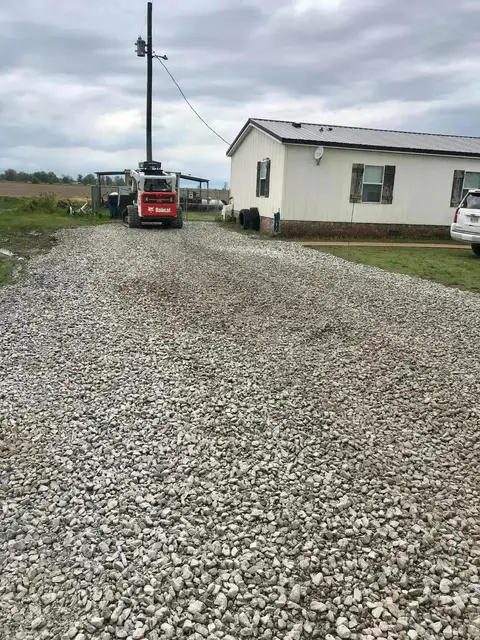
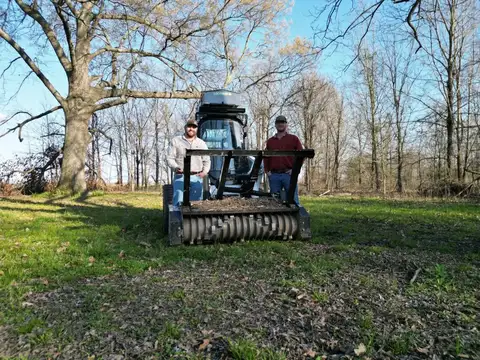
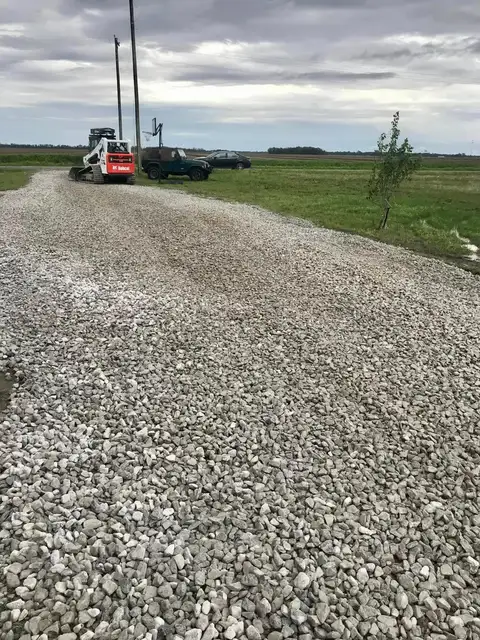
The machines in our photos are ours. A tracked skid steer with a forestry mulching head takes down brush and small timber and grinds it in place. A track loader pushes up timber, spreads fill and grades pads and arenas flat. An excavator digs ponds and dirt pits and loads the dump truck, and the dump truck hauls fill in or dirt out.
For yards and other finish work, we check the grade with a laser level instead of eyeballing it. On flat Delta ground, a few inches of fall decides where the water goes, so we would rather measure it. When we talk through your job, we will tell you which machines we plan to use and why.
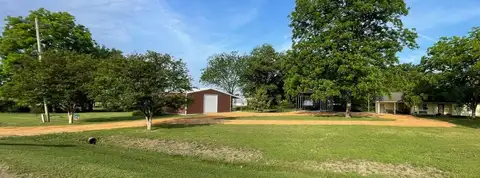
Working Delta ground
Most of the Delta sits on soil the rivers laid down. A lot of it is heavy clay, the kind people here call buckshot or gumbo. Sharkey clay, one of the most widespread soils on the Mississippi River floodplain, is very slow to soak up water, sits on slopes mostly under 1 percent, and cracks deep when it dries out.
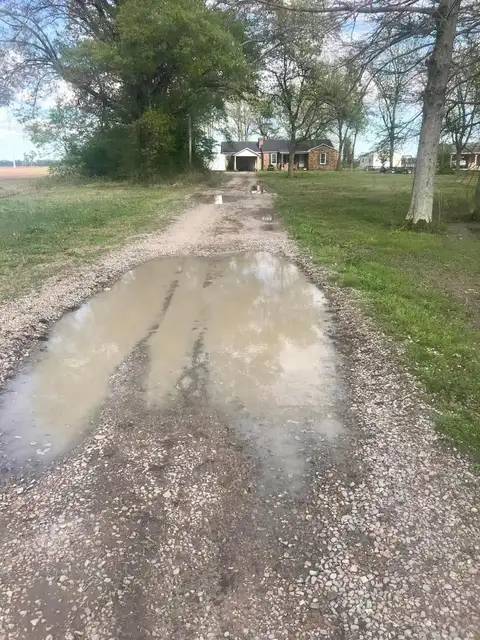
That matters for nearly every job we do. Wet clay sticks to everything and ruts under heavy equipment, so timing counts in winter and spring. Flat ground means water stands unless the dirt is shaped to move it. Clay that shrinks and swells is something to think about under a pad. We plan around all of it when we look at your land.
Jobs that run together
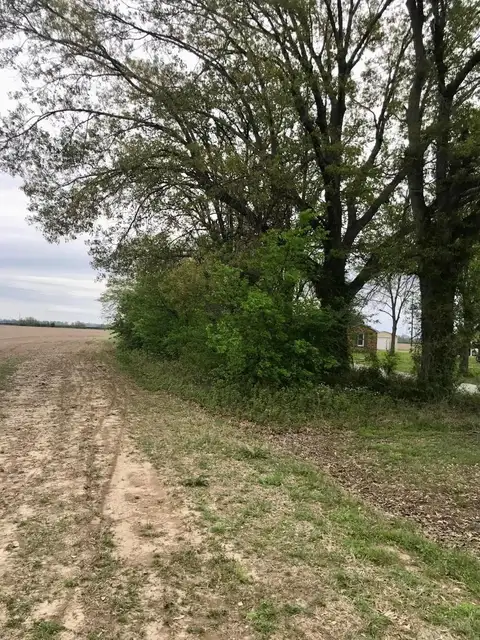
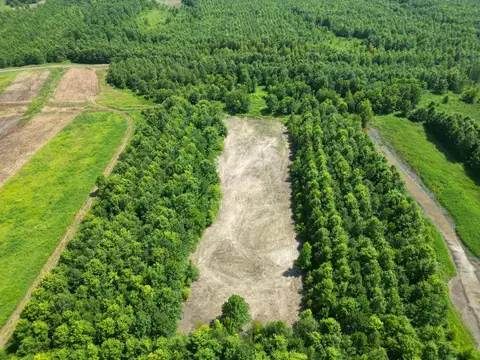
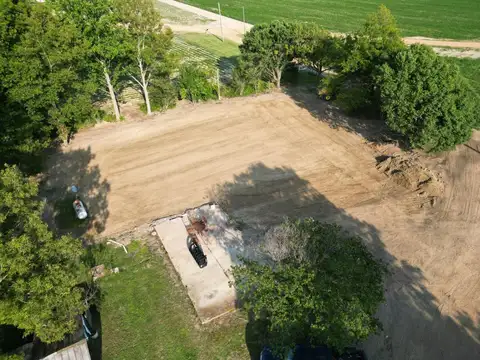
A lot of land work is one job that turns into three. A homesite in the woods may need the lot cleared, a lane cut in from the road, a pad built up with fill and the yard graded once the house is up. A hunting tract may need lanes, shooting lanes, a cleared field and a pond. Dirt from a pond dig can sometimes go toward a pad.
Tell us the whole plan, even the parts that are a year out. It helps us figure out what order makes sense and where the dirt should go. If part of the job turns into a parking lot, Straight Line Services, which shares our phone number, can lay it out and stripe it. Same phone number.
Before the work starts
Some jobs need a call or a permit before the machines show up. Mississippi law requires a locate request through Mississippi 811 at least two working days before digging. Larger dams need written approval from MDEQ. Construction that disturbs an acre or more can fall under an MDEQ stormwater permit. Ground that may be wetland is worth checking with the U.S. Army Corps of Engineers.
We will point out what we know applies when we talk through your job, and tell you who to check with when we are not sure. Your city or county may have its own rules too, so it is worth a call to them early. Each service page covers what to watch for on that kind of job.