Where the Delta meets the hills
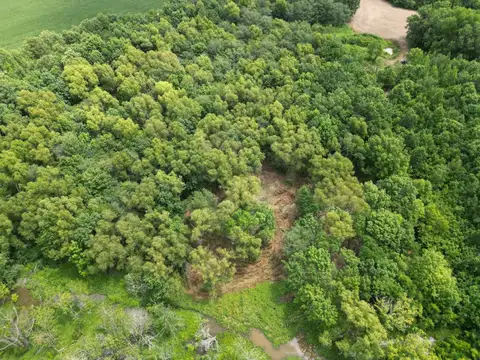
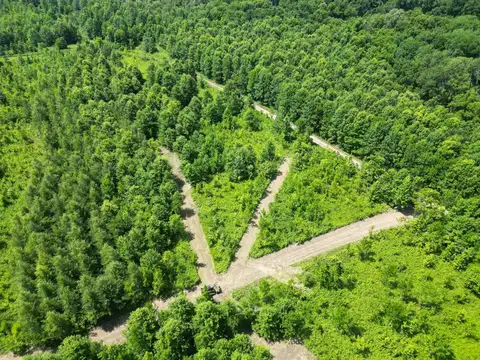
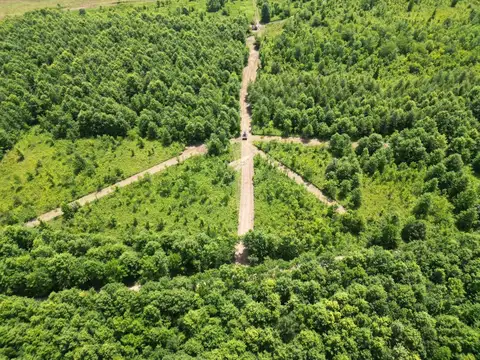
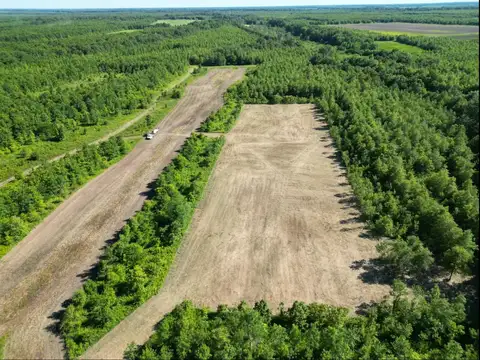
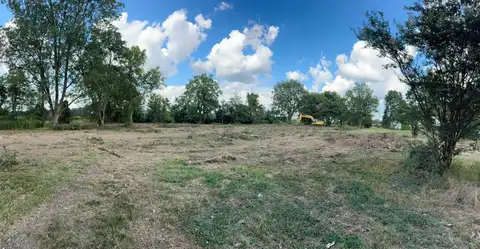
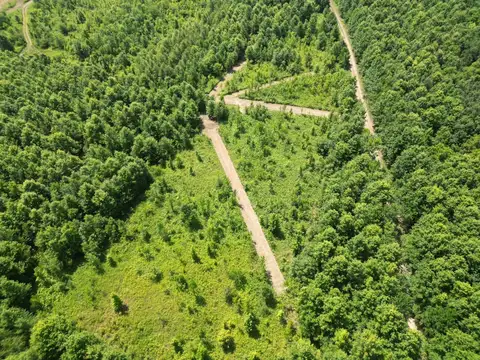
MSU Extension describes the hilly region along the eastern edge of the Delta as loess country, built from wind-blown silt laid down on the uplands. That ground behaves differently than Delta clay. Once it is bare it can wash, so clearing and grading on a slope needs a plan for where water will run. We shape pads, drives and building sites so water moves where you want it.
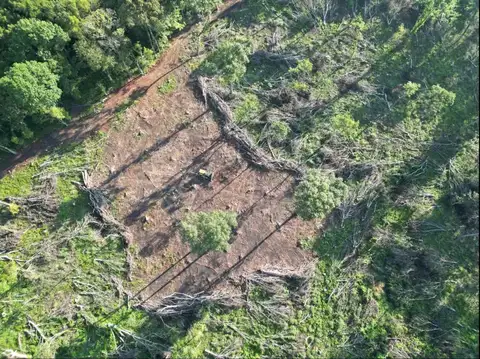
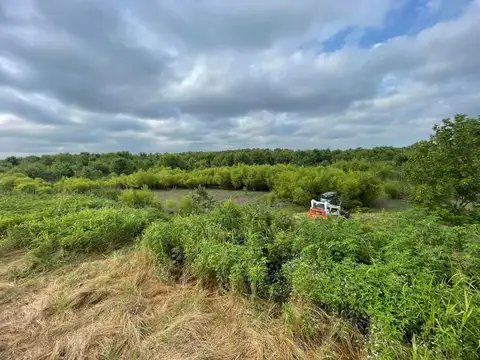
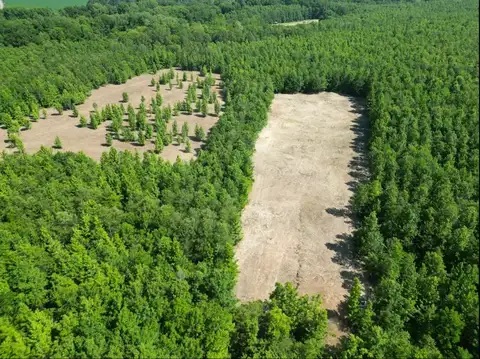
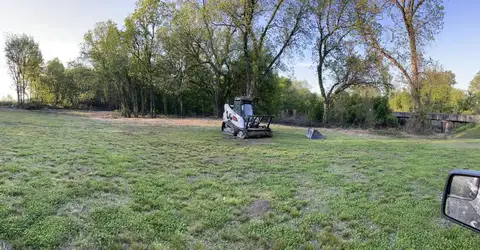
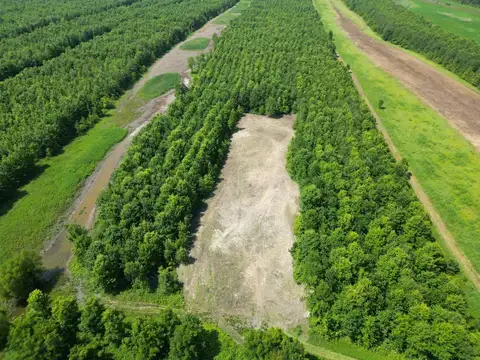
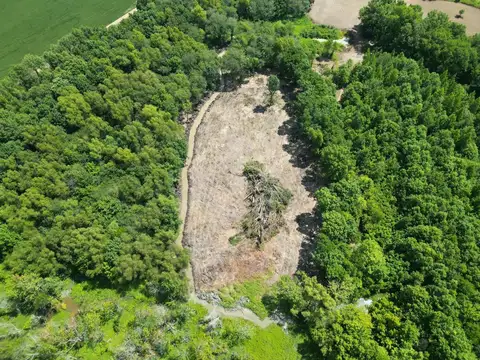
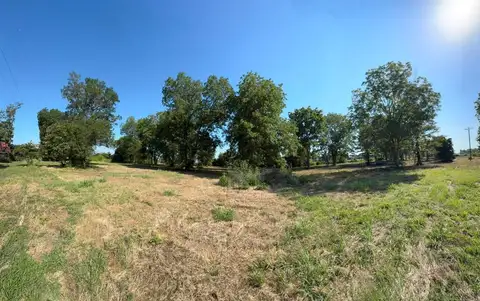
On wooded hill ground, select clearing often beats clearing flat. We take out the brush and trees you do not want and leave the good ones. When a tract does need opening, we clear it out of thick timber and push the timber into windrows. We cut lanes and trails wide enough for a truck and trailer, and we dig ponds and dirt pits with an excavator and dump truck.
Delta side jobs
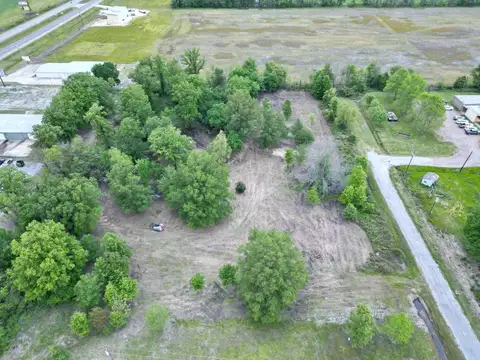
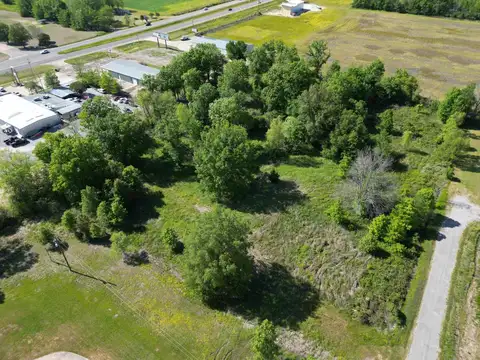
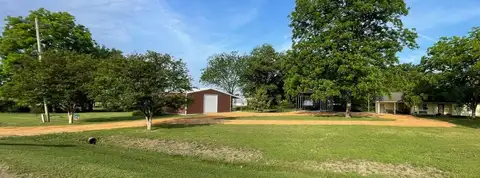
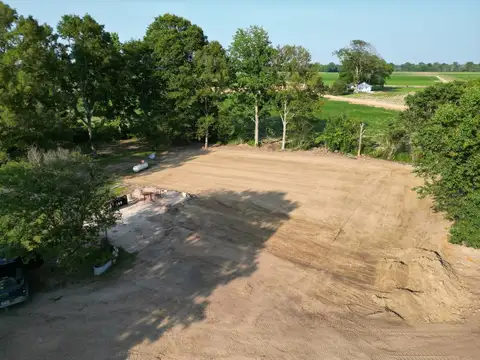
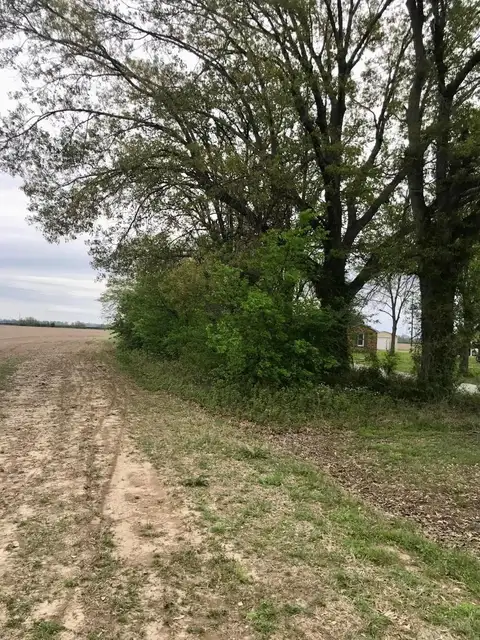
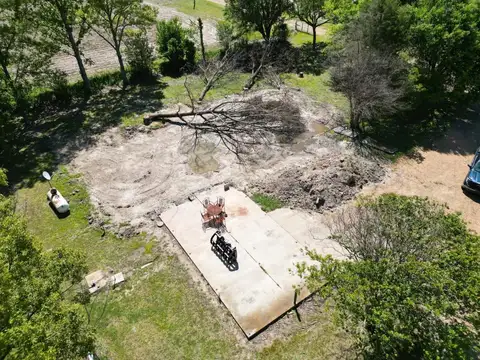
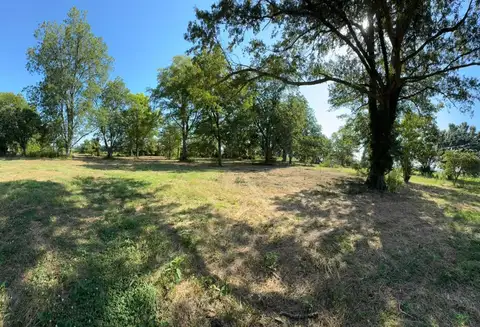
West of town toward the river, the ground flattens into Delta farmland with heavy clay that drains slowly. Jobs there look like the rest of the Delta: house and shop pads built up with hauled-in fill, yard grading checked with a laser level, and grading and drainage around buildings and drives. O'Keefe WMA reaches into Tallahatchie County to the northwest, and private bottomland nearby gets hunted.
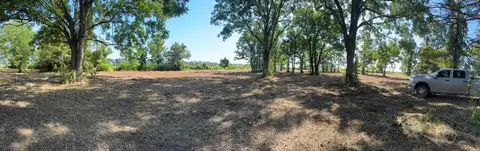
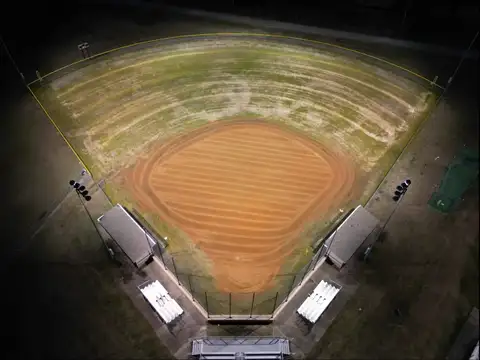
For hunting ground, we cut lanes and open shooting lanes. For a riding arena or building site, we grade with a track loader. For a ballfield, we work and drag the infield. If something needs to come down, tell us what it is and we will talk it through before giving you a free estimate.
Lots and permits in Charleston
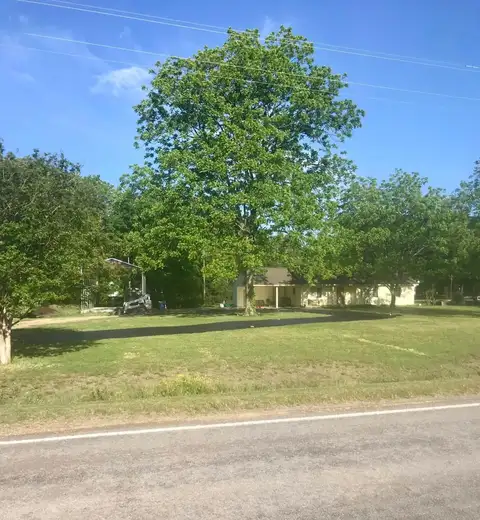
Charleston has the county courthouse, East Tallahatchie School District schools including Charleston High School, churches and businesses along the highways. Straight Line Services stripes new or sealed asphalt, lays out traffic flow, and marks fire lanes and no-parking zones. On a sloped lot, accessible stalls and aisles can be no steeper than 1:48 in any direction, so we check where they go.
For work inside Charleston city limits, check with Charleston City Hall about permits. Outside town, check with Tallahatchie County, and ask whether the Charleston or Sumner courthouse handles your side of the river. Mississippi law requires notifying 811 before digging, and jobs disturbing an acre or more fall under MDEQ construction stormwater rules.