Building up on river country clay
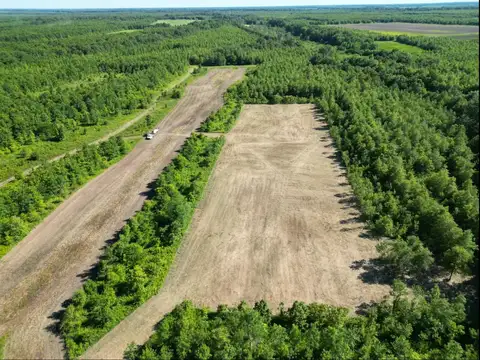
Washington County soils are mostly river-laid clay and silt. The heavy clays, like Sharkey, are listed by the USDA as very slowly permeable and crack 20 inches deep or more in dry years. They shrink and swell with the weather. A slab sitting low on that ground, with water ponding around it after every storm, is at risk. A pad lifts the building and sheds the water.
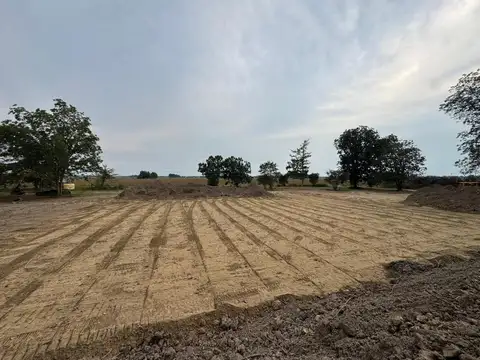
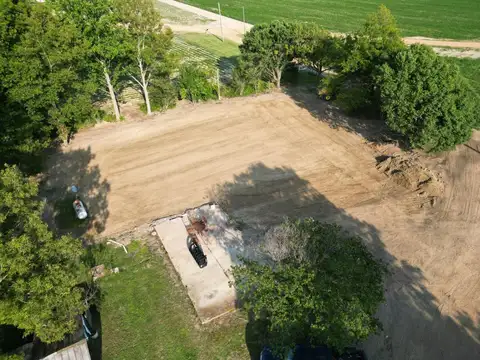
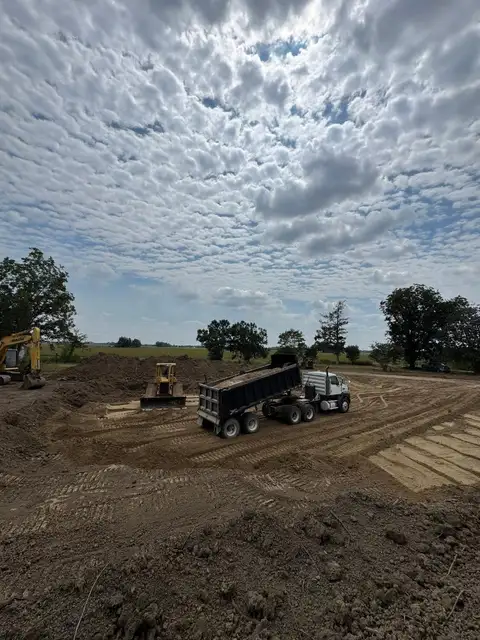
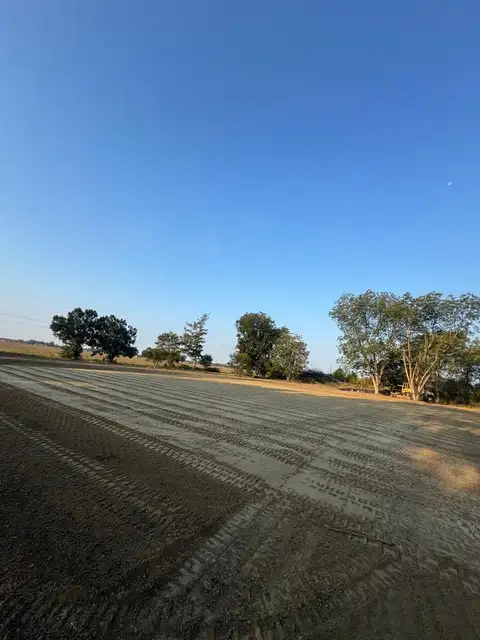
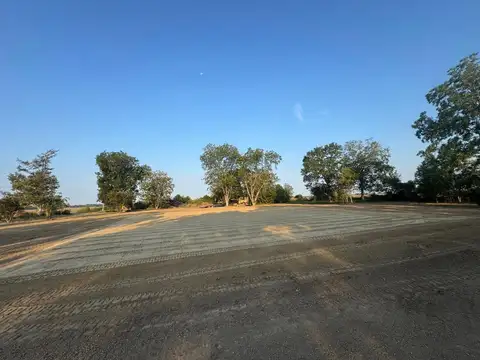
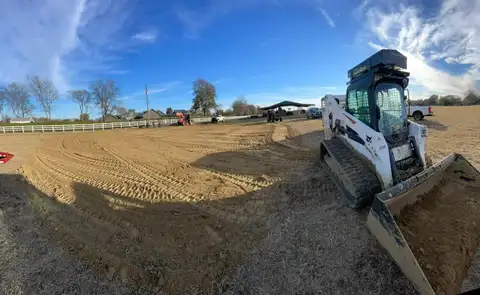
The pad does not fix the clay below it. Your builder or engineer designs the foundation for the soil. What we control is the dirt work: the right fill, placed and shaped to the size and height they set, with the sides sloped so water runs off and away from the slab, not back under it.
Flood zones near the river and Lake Ferguson
With the river and Lake Ferguson so close, flood zones are a real question here. Before you build, look up the parcel on the FEMA flood map and talk to the City of Greenville or Washington County. If the lot is in a mapped flood zone, the floodplain administrator sets how high the lowest floor must be, and a permit is usually required before fill is placed.
A surveyor typically records the finished floor height on a FEMA elevation certificate, which lenders and flood insurers often want. Knowing the required height first is the cheapest way to get the pad right. Raising a pad after the slab is poured is not really an option, so settle the height early.
Fill, layers and weather
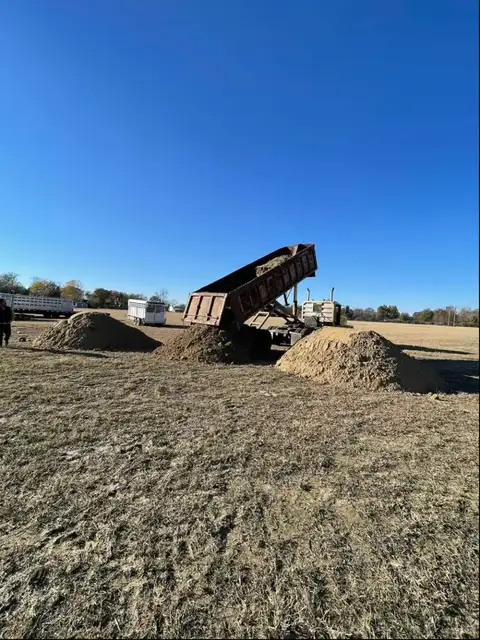
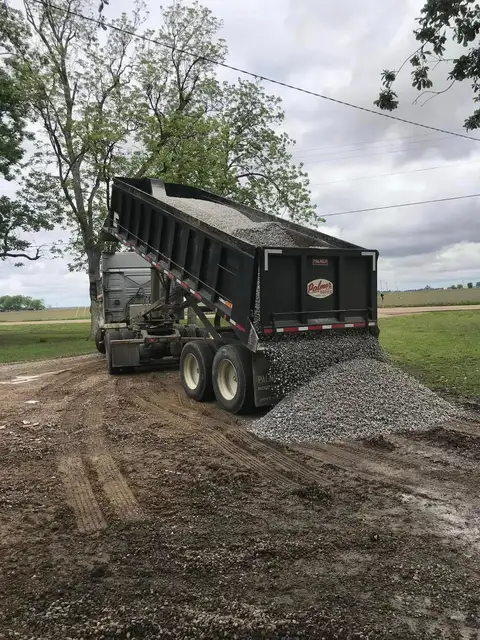
Ask your builder what fill they want and how they want it placed. Many builders and engineers want fill spread in layers, called lifts, and packed as it goes, not dumped in one pile. Some want a specific soil or a compaction test from a testing company. Get us those details before the estimate and we will build to them.
Rain is the big scheduling factor. Wet fill and wet ground both work badly, and trucks can rut a soft lot. We look at the site and the forecast before hauling. If the lot needs clearing, a culvert, or a ditch opened up so water can leave, we can fold that into the same job so the equipment only comes once.